


REED DUCK
Anas penelope
DESCRIPTION
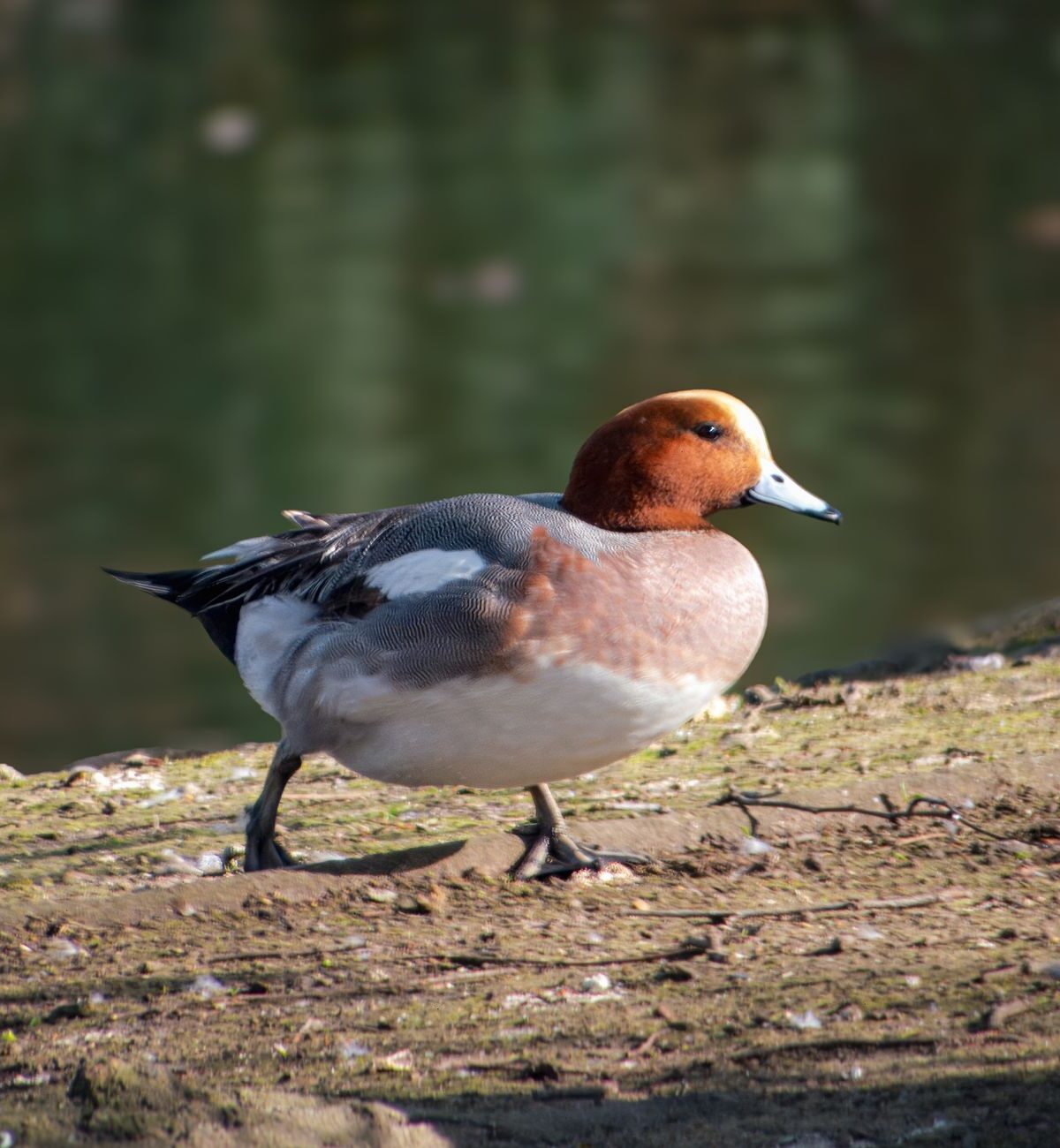
Reed Duck (Anas penelope), also known as the Eurasian Wigeon, is a medium-sized dabbling duck characterized by its distinctive rounded head and broad, flat bill. Males display a striking appearance with a chestnut-colored head, a creamy crown, and grayish body, while females are mottled brown with a more subdued coloration. This species is known for its social behavior, often seen in flocks during migration and feeding in wetlands, where they forage for food.
FUN FACTS
- Reed Ducks are known for their unique whistling calls, which can be heard during courtship displays and social interactions
- They are also capable of diving underwater for short periods to escape predators or forage for food.|During migration, Reed Ducks can travel long distances, sometimes covering over 1,000 kilometers in a single flight
- Their migratory behavior is influenced by seasonal changes and food availability, making them adaptable to various environments
QUICK INFO
Lifespan10-15 years in the wild
Average Weight700-1,200 g
Average Length50-60 cm
Diet TypeHerbivore
Social StructureThey are typically found in pairs during the breeding season but can be seen in larger groups outside of this period.
Activity PatternDiurnal
Breeding SeasonSpring (March-May)
- Habitat
- Reed Ducks inhabit freshwater wetlands, marshes, and shallow lakes, often favoring areas with abundant vegetation. They are also found in coastal lagoons and estuaries during migration.
- Biomes
- Wetlands, Temperate Forests
- Native Range
- The native range of the Reed Duck extends across Europe and parts of Asia, with migratory populations traveling to North Africa and the Middle East during winter.
- Continent
- Europe, Asia
- Countries
- United Kingdom, France, Germany, Russia, China
- Diet
- Reed Ducks primarily feed on aquatic plants, seeds, and grasses, often foraging in shallow waters. They may also consume small invertebrates, particularly during the breeding season.
- Diet Type
- Herbivore
- Favorite Food
- aquatic plants, seeds
- Social Structure
- They are typically found in pairs during the breeding season but can be seen in larger groups outside of this period.
- Activity Pattern
- Diurnal
- Group Size
- 10-50
- Territorial
- 0

 LC
LC
 VU
VU
 LC
LC
700-1,200 g
Weight
50-60 cm
Length
- Coloration
- Males have a chestnut head, creamy crown, and gray body, while females are mottled brown.
- Sexual Dimorphism
- Males are more colorful than females, with distinct plumage differences.
- Lifespan
- 10-15 years in the wild
- Offspring per Birth
- 6-12
- Sexual Maturity
- 1 year
- Breeding Season
- Spring (March-May)
LC
Least Concern
IUCN Red List Status
- Population Status
- The population of Reed Ducks is currently stable, with no significant declines reported.
- Wild Population Estimate
- 1,000,000-2,000,000
- Population Trend
- Stable
- Endangered
- 0
- Threats
- Main threats to Reed Ducks include habitat loss due to wetland drainage and pollution. Climate change also poses a risk by altering their migratory patterns and breeding habitats.
- Predators
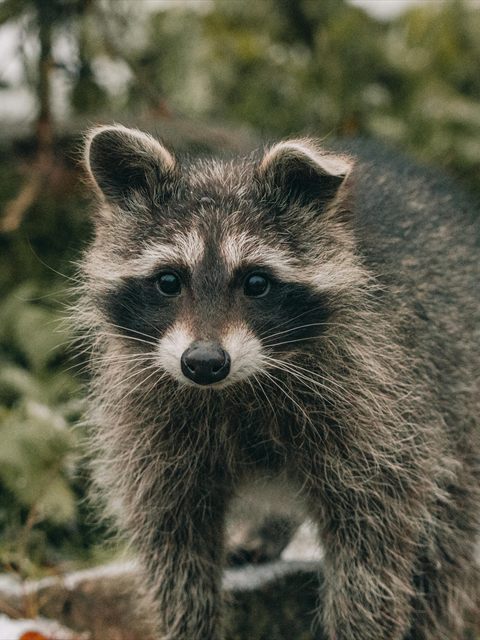
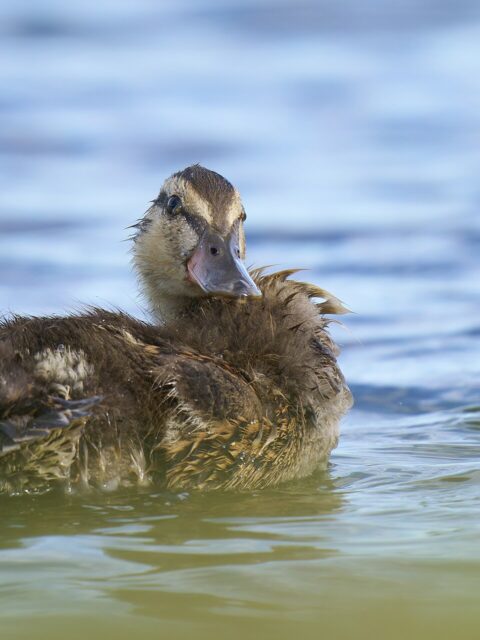
- Foxes, raccoons, birds of prey, and large fish can prey on Reed Duck eggs and ducklings.
- Defense Mechanisms
- Reed Ducks rely on their ability to blend into their surroundings for camouflage and will often flee to water when threatened.
- Compatible Animals
- Mallard, Northern Pintail, American Black Duck
- Found in Zoos
- Uncommon