


RHINOCEROS VIPER
Bitis rhinoceros
DESCRIPTION
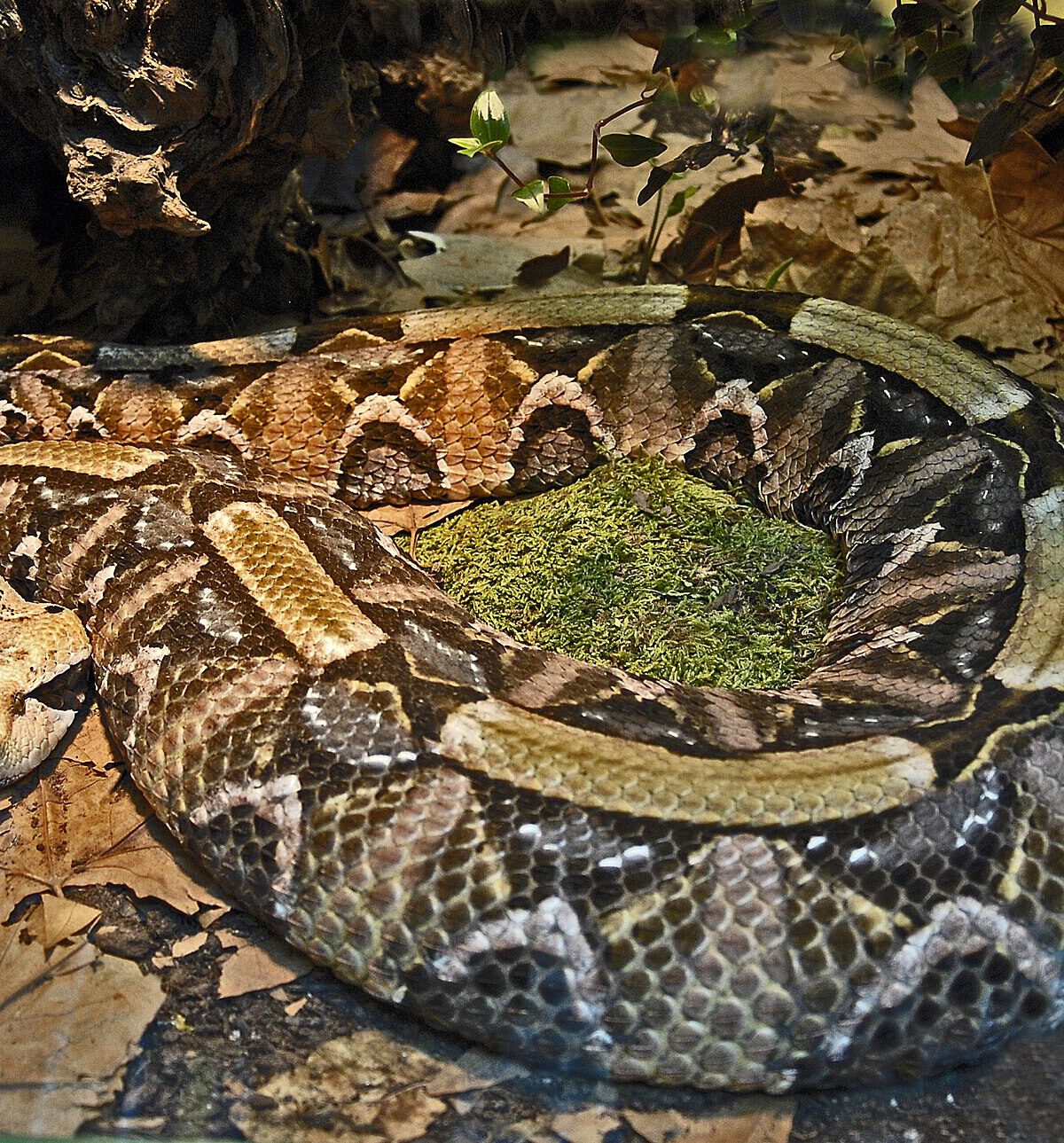
Rhinoceros Viper (Bitis rhinoceros), also known as the Horned Viper, is a strikingly colorful snake native to the rainforests of Central and West Africa. It is characterized by its unique horn-like structures on its head, which give it a distinctive appearance. This species is primarily terrestrial and is known for its ambush hunting strategy, often lying in wait for unsuspecting prey to pass by.
FUN FACTS
- Rhinoceros Vipers are known for their unique horn-like structures on their heads, which are not true horns but rather extensions of their scales
- These structures may help in camouflage and in attracting mates
- | Despite their fearsome appearance, Rhinoceros Vipers are not aggressive and will often try to escape rather than confront a threat
- Their venom is potent, but they are not considered a significant danger to humans unless provoked
QUICK INFO
Lifespan10-15 years in the wild, up to 20 years in captivi
Average Weight1-2 kg
Average Length0.9-1.2 m
Diet TypeCarnivore
Social Structuresolitary, typically found alone except during mating season
Activity PatternNocturnal
Breeding SeasonSpring (March-May)
- Habitat
- This species inhabits tropical rainforests, often found near water sources such as streams and swamps. It prefers dense vegetation that provides cover for ambushing prey.
- Biomes
- Tropical Rainforest
- Native Range
- The Rhinoceros Viper is found in the rainforests of Central and West Africa, particularly in countries like Cameroon, Gabon, and the Republic of the Congo.
- Continent
- Africa
- Countries
- Cameroon, Gabon, Republic of the Congo, Central African Republic
- Diet
- The Rhinoceros Viper primarily feeds on small mammals, birds, and amphibians. It uses its heat-sensing pits to detect warm-blooded prey in its dense forest habitat.
- Diet Type
- Carnivore
- Favorite Food
- small mammals, birds, amphibians
- Social Structure
- solitary, typically found alone except during mating season
- Activity Pattern
- Nocturnal
- Group Size
- 1
- Territorial
- 0
 VU
VU
1-2 kg
Weight
0.9-1.2 m
Length
- Coloration
- The coloration of the Rhinoceros Viper includes vibrant patterns of green, yellow, and brown, which help it blend into the forest floor.
- Sexual Dimorphism
- Males are generally smaller than females.
- Lifespan
- 10-15 years in the wild, up to 20 years in captivi
- Offspring per Birth
- 5-15
- Sexual Maturity
- 2-3 years
- Breeding Season
- Spring (March-May)
LC
Least Concern
IUCN Red List Status
- Population Status
- The population status of the Rhinoceros Viper is currently stable, but habitat loss poses a potential threat.
- Wild Population Estimate
- Unknown
- Population Trend
- Stable
- Endangered
- 0
- Threats
- Main threats include habitat destruction due to logging and agricultural expansion. Additionally, they are sometimes hunted for their skin.
- Predators
- Birds of prey, larger snakes, and mammals such as mongooses may prey on Rhinoceros Vipers.
- Defense Mechanisms
- Rhinoceros Vipers rely on their cryptic coloration for camouflage and may also exhibit defensive behaviors such as hissing or striking when threatened.
- Found in Zoos
- Uncommon