


RHINOCEROSES
DESCRIPTION
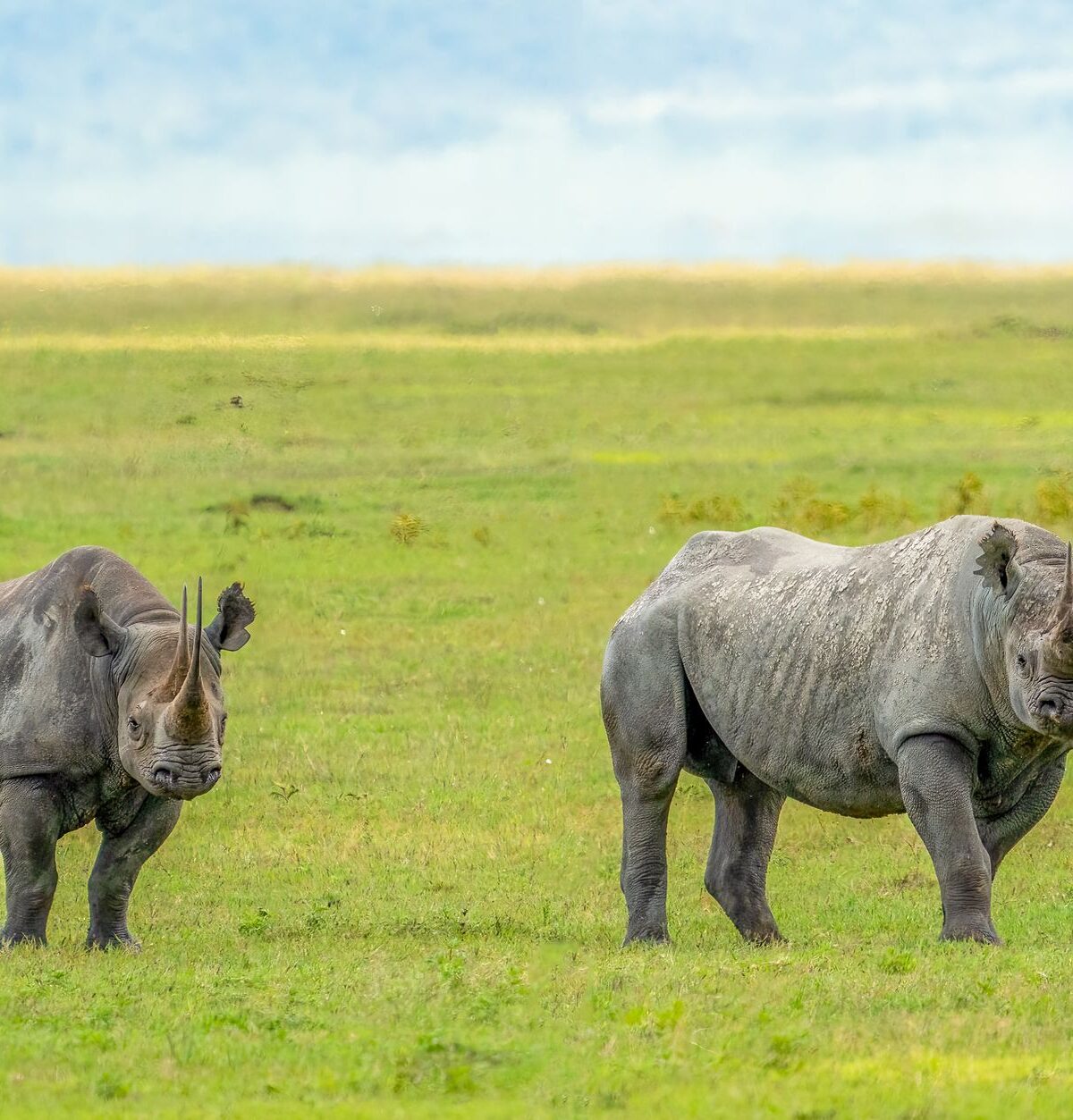
Rhinoceroses, commonly known as rhinos, are large, thick-skinned herbivorous mammals characterized by their distinctive horns made of keratin. They exhibit a robust body structure, with a large head and short legs, and can vary in size depending on the species. Rhinos are generally solitary animals, although some species may form small groups, and they play a crucial role in their ecosystems by influencing vegetation dynamics and creating habitats for other species.
FUN FACTS
- Rhinoceroses have poor eyesight but an excellent sense of smell, which they use to detect predators and other rhinos
- Additionally, their horns are made of keratin, the same material as human hair and nails, and can grow throughout their lives, making them unique among large mammals.|Despite their size and strength, rhinoceroses are often seen as gentle giants, spending much of their time grazing and wallowing in mud to keep cool and protect their skin from sunburn and parasites
QUICK INFO
Lifespan40-50 years in the wild, up to 60 in captivity
Average Weight800-1,400 kg
Average Length3.0-4.0 m
Diet TypeHerbivore
Social Structuresolitary, with occasional pairs during mating
Activity PatternDiurnal
Breeding SeasonYear-round, with peaks depending on species and region
- Habitat
- Rhinoceroses inhabit a range of environments, including savannas, grasslands, and tropical forests. They require access to water sources and areas with sufficient vegetation for grazing.
- Biomes
- Savanna, Grassland, Tropical Rainforest
- Native Range
- Rhinoceroses are native to parts of Africa and South Asia.
- Continent
- Africa, Asia
- Countries
- South Africa, Namibia, India, Nepal, Kenya, Tanzania
- Diet
- Rhinoceroses are herbivores, primarily feeding on grasses, leaves, and shrubs. Their diet varies by species and habitat availability.
- Diet Type
- Herbivore
- Favorite Food
- grasses, leaves, shrubs
- Social Structure
- solitary, with occasional pairs during mating
- Activity Pattern
- Diurnal
- Group Size
- 1-3
- Territorial
- 1
 VU
VU
800-1,400 kg
Weight
3.0-4.0 m
Length
1.5-1.8 m at shoulder
Height (Shoulder)
- Coloration
- gray to brown, with variations depending on species
- Sexual Dimorphism
- males are generally larger than females
- Lifespan
- 40-50 years in the wild, up to 60 in captivity
- Gestation Period
- 15-16 months
- Offspring per Birth
- 1
- Sexual Maturity
- 3-6 years
- Breeding Season
- Year-round, with peaks depending on species and region
CR
Critically Endangered
IUCN Red List Status
- Population Status
- Rhinoceros populations are declining due to poaching and habitat loss.
- Wild Population Estimate
- 27,000-30,000
- Population Trend
- Decreasing
- Endangered
- 1
- Threats
- The main threats to rhinoceroses include poaching for their horns and habitat destruction due to agriculture and urban development. Conservation efforts are ongoing, but illegal hunting remains a significant challenge.
- Conservation Program
- Various anti-poaching initiatives and habitat protection programs are in place, including the African Rhino Conservation Programme.
- Predators
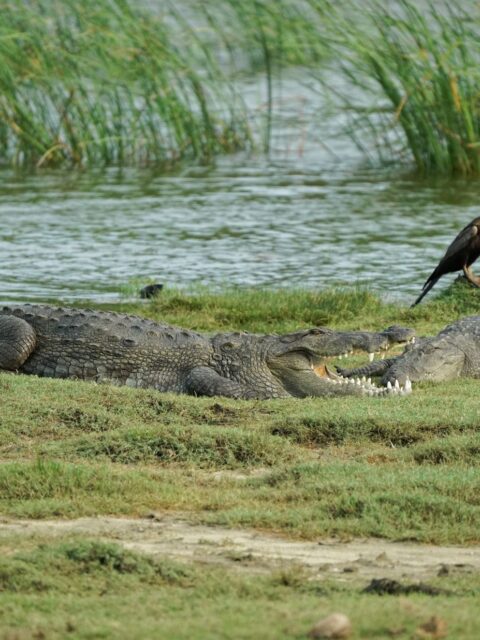
- Humans are the primary threat to rhinoceroses, but young rhinos may be vulnerable to large carnivores such as lions and crocodiles.
- Defense Mechanisms
- Rhinoceroses have thick skin that provides protection against predators, and they can charge at high speeds when threatened.
- Compatible Animals
- zebras, antelopes, various birds
- Found in Zoos
- Common