


RING-NECKED DUCK
Aythya collaris
DESCRIPTION
The Ring-Necked Duck is a medium-sized diving duck known for its distinctive appearance. Males have a striking black head with a glossy green sheen, a white ring around their neck, and a grayish body, while females are mottled brown with a lighter face. They are often found in freshwater lakes and ponds, where they dive for food and are known for their agile swimming and diving abilities.
FUN FACTS
- The Ring-Necked Duck is named for the distinctive white ring around its neck, which is often overlooked due to its dark plumage
- They are also known for their unique courtship displays, where males perform elaborate movements to attract females, showcasing their agility and beauty.| Despite their name, the ring around the neck is often difficult to see in the field, making identification challenging
- These ducks are also known for their ability to dive to significant depths in search of food, showcasing their adaptability to various aquatic environments
QUICK INFO
Lifespan5-10 years in the wild, up to 15 years in captivit
Average Weight700-1,200 g
Average Length36-41 cm
Diet TypeOmnivore
Social StructureThey are typically found in pairs or small groups, especially during the breeding season.
Activity PatternDiurnal
Breeding SeasonSpring (April-June)
- Habitat
- These ducks prefer shallow freshwater habitats such as lakes, ponds, and marshes with abundant vegetation. They are often found in areas with dense emergent plants that provide cover and food.
- Biomes
- Freshwater, Wetlands
- Native Range
- Ring-Necked Ducks are native to North America, breeding in Canada and the northern United States and migrating to the southern United States and Mexico for winter.
- Continent
- North America
- Countries
- Canada, United States, Mexico
- Diet
- Ring-Necked Ducks primarily feed on aquatic plants, seeds, and invertebrates. They are known to dive underwater to forage for food.
- Diet Type
- Omnivore
- Favorite Food
- aquatic plants, seeds, invertebrates
- Social Structure
- They are typically found in pairs or small groups, especially during the breeding season.
- Activity Pattern
- Diurnal
- Group Size
- 5-50
- Territorial
- 0
 LC
LC
 CR
CR
700-1,200 g
Weight
36-41 cm
Length
- Coloration
- Males have a black head, white neck ring, and gray body; females are brown with a lighter face.
- Sexual Dimorphism
- Males and females have distinctly different plumage.
- Lifespan
- 5-10 years in the wild, up to 15 years in captivit
- Offspring per Birth
- 8-12
- Sexual Maturity
- 1 year
- Breeding Season
- Spring (April-June)
LC
Least Concern
IUCN Red List Status
- Population Status
- The population of Ring-Necked Ducks is currently stable, with no significant declines reported.
- Wild Population Estimate
- 1,000,000-2,000,000
- Population Trend
- Stable
- Endangered
- 0
- Threats
- Main threats include habitat loss due to wetland drainage and pollution. Climate change also poses a potential risk to their breeding habitats.
- Predators
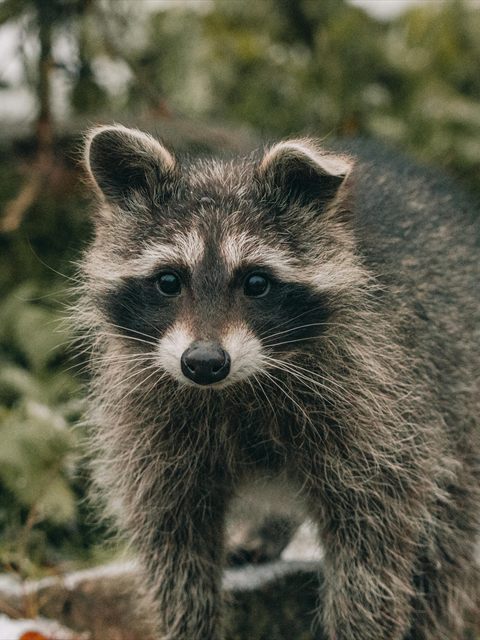
- Common predators include foxes, raccoons, and birds of prey such as eagles and hawks.
- Defense Mechanisms
- They rely on their ability to dive and swim quickly to evade predators.
- Compatible Animals
- Mallards, Gadwalls, Northern Pintails
- Found in Zoos
- Uncommon