


RINGTAIL
Bassariscus astutus
DESCRIPTION
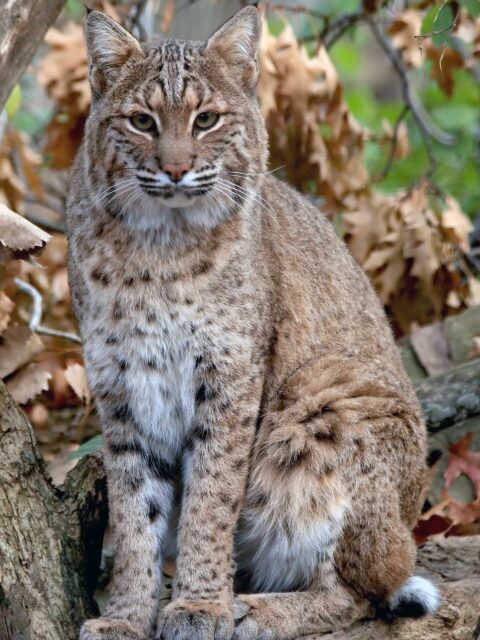
The ringtail, also known as the ringtail cat, is a small mammal native to North America. It is characterized by its long, bushy tail with distinct black and white rings and a slender body.
FUN FACTS
- Ringtails are not actually cats, but are more closely related to raccoons | They are excellent climbers and can often be found in trees | Their long tails help them maintain balance while navigating through their arboreal habitats
QUICK INFO
Lifespan5-7 years in the wild, up to 10 years in captivity
Average Weight1.5-2.5 kg
Average Length40-50 cm
Diet TypeOmnivore
Social Structuresolitary, typically living alone except during mating season
Activity PatternNocturnal
Breeding SeasonSpring (March-May)
- Habitat
- Ringtails inhabit a range of environments, including rocky canyons, forests, and desert areas. They prefer areas with plenty of cover for climbing and hiding.
- Biomes
- Desert, Forest, Grassland
- Native Range
- The ringtail is found throughout the western United States and into parts of Mexico.
- Continent
- North America
- Countries
- United States, Mexico
- Diet
- Ringtails are omnivorous, feeding on a variety of foods including fruits, insects, small mammals, and birds. They are opportunistic feeders and will adapt their diet based on availability.
- Diet Type
- Omnivore
- Favorite Food
- fruits, insects, small mammals
- Social Structure
- solitary, typically living alone except during mating season
- Activity Pattern
- Nocturnal
- Group Size
- 1
- Territorial
- 1

 LC
LC
1.5-2.5 kg
Weight
40-50 cm
Length
- Coloration
- The fur is generally a grayish-brown with a lighter underbelly and distinctive black and white rings on the tail.
- Lifespan
- 5-7 years in the wild, up to 10 years in captivity
- Gestation Period
- 50-60 days
- Offspring per Birth
- 2-4
- Sexual Maturity
- 10-12 months
- Breeding Season
- Spring (March-May)
LC
Least Concern
IUCN Red List Status
- Population Status
- The population is currently stable, but habitat loss poses a potential threat.
- Wild Population Estimate
- Unknown
- Population Trend
- Stable
- Endangered
- 0
- Threats
- Main threats include habitat destruction and vehicle collisions. They are also vulnerable to predation by larger mammals.
- Predators
- Coyotes, bobcats, and larger birds of prey
- Defense Mechanisms
- Ringtails can climb quickly to escape predators and may also use their agility to evade capture.
- Found in Zoos
- Uncommon