


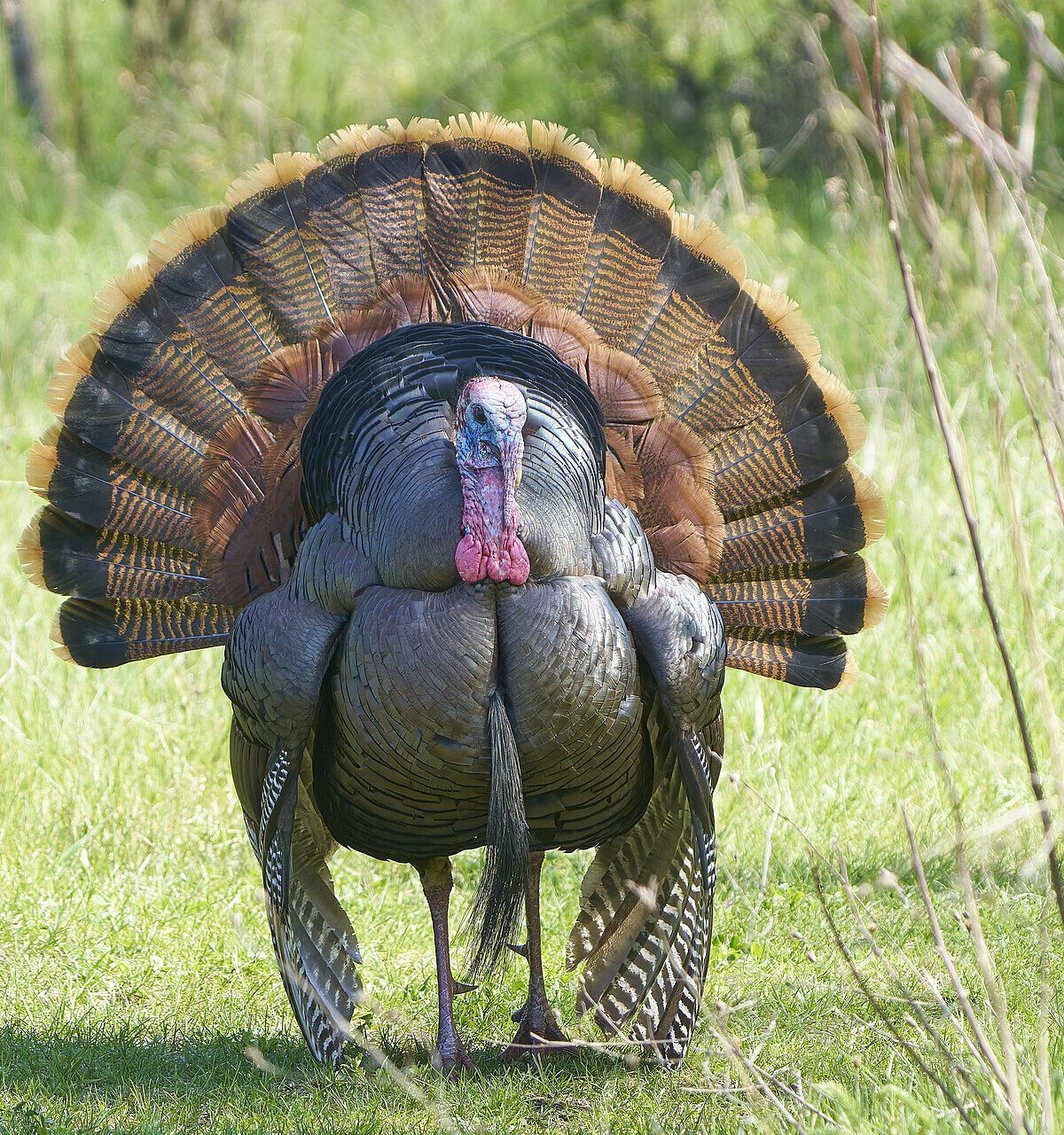
RIO GRANDE TURKEY
Meleagris gallopavo intermedia
DESCRIPTION
Rio Grande Turkey (Meleagris gallopavo intermedia) is a subspecies of the wild turkey found primarily in the central United States. It is characterized by its lighter coloration compared to other subspecies, with a more slender body and longer legs. These turkeys are known for their social behavior, often seen foraging in groups and displaying a range of vocalizations.
FUN FACTS
- Rio Grande Turkeys are known for their impressive vocalizations, which include gobbles, clucks, and purrs, used for communication among flock members
- | These turkeys play a significant role in their ecosystem by helping to disperse seeds and control insect populations, contributing to the health of their habitats
QUICK INFO
Lifespan3-5 years in the wild, up to 10 years in captivity
Average Weight3.5-5.5 kg
Average Length0.9-1.2 m
Diet TypeOmnivore
Social StructureThey are typically found in groups, especially during non-breeding seasons, where they can be seen foraging together.
Activity PatternDiurnal
Breeding SeasonSpring (March-May)
- Habitat
- They inhabit open woodlands, grasslands, and areas near water sources. These habitats provide ample foraging opportunities and cover for nesting.
- Biomes
- Grassland, Temperate Forest
- Native Range
- The native range of the Rio Grande Turkey includes parts of the central United States, particularly in states like Texas, New Mexico, and Oklahoma.
- Continent
- North America
- Countries
- United States, Mexico
- Diet
- Rio Grande Turkeys are omnivorous, feeding on a variety of plant materials, seeds, insects, and small animals. Their diet can vary seasonally based on food availability.
- Diet Type
- Omnivore
- Favorite Food
- seeds, fruits, insects
- Social Structure
- They are typically found in groups, especially during non-breeding seasons, where they can be seen foraging together.
- Activity Pattern
- Diurnal
- Group Size
- 5-30
- Territorial
- 0

 LC
LC
3.5-5.5 kg
Weight
0.9-1.2 m
Length
- Coloration
- They have a mix of brown, black, and bronze feathers, with a distinctive fan-shaped tail.
- Sexual Dimorphism
- Males are generally larger and more colorful than females, with more pronounced wattles and spurs.
- Lifespan
- 3-5 years in the wild, up to 10 years in captivity
- Offspring per Birth
- 8-15
- Sexual Maturity
- 1 year
- Breeding Season
- Spring (March-May)
LC
Least Concern
IUCN Red List Status
- Population Status
- The population of Rio Grande Turkeys is currently stable, with healthy numbers in many areas.
- Wild Population Estimate
- 200,000-300,000
- Population Trend
- Stable
- Endangered
- 0
- Threats
- Main threats include habitat loss due to urban development and agricultural expansion. Additionally, hunting pressures can impact local populations.
- Conservation Program
- Various state wildlife agencies have implemented management programs to monitor and sustain turkey populations.
- Predators
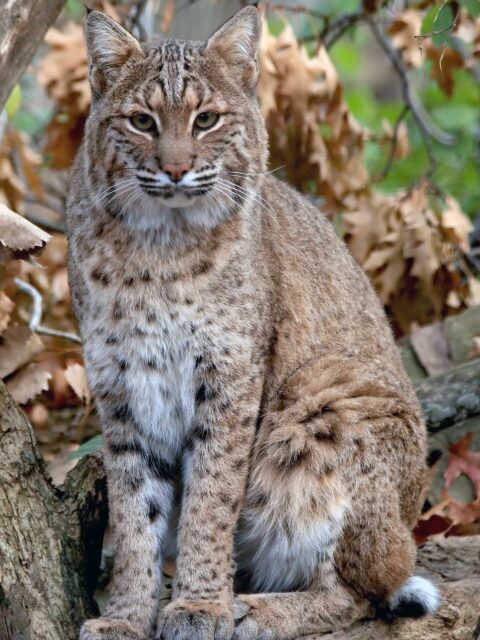
- Coyotes, bobcats, foxes, and birds of prey such as hawks and eagles are known predators of Rio Grande Turkeys.
- Defense Mechanisms
- They rely on their ability to fly short distances to escape predators and use their keen eyesight to detect danger.
- Compatible Animals
- none
- Found in Zoos
- Uncommon