



ROAN ANTELOPE
Hippotragus equinus
DESCRIPTION
The Roan Antelope is a large, robust antelope known for its striking appearance and impressive horns. It is characterized by a reddish-brown coat and a distinctive black facial mask.
FUN FACTS
- Roan Antelopes can run at speeds of up to 56 km/h | They are one of the largest antelope species | Their horns can grow up to 90 cm long
QUICK INFO
Lifespan15-20 years in wild, up to 25 in captivity
Average Weight150-250 kg
Average Length1.8-2.5 m
Diet TypeHerbivore
Social Structuregroup — typically found in small herds of 5-20 individuals.
Activity PatternDiurnal
Breeding SeasonYear-round, with peaks depending on region.
- Habitat
- Roan Antelopes inhabit savannas, woodlands, and grasslands. They prefer open areas with access to water sources.
- Biomes
- Savanna, Grassland
- Native Range
- Sub-Saharan Africa, primarily in the central and southern regions.
- Continent
- Africa
- Countries
- Botswana, Namibia, South Africa, Zimbabwe, Angola
- Diet
- Roan Antelopes are herbivores that primarily graze on grasses and browse on leaves and shrubs. They prefer areas with abundant vegetation for foraging.
- Diet Type
- Herbivore
- Favorite Food
- grasses, leaves
- Social Structure
- group — typically found in small herds of 5-20 individuals.
- Activity Pattern
- Diurnal
- Group Size
- 5-20
- Territorial
- 1
 LC
LC
 VU
VU
 LC
LC
150-250 kg
Weight
1.8-2.5 m
Length
1.2 m at shoulder
Height (Shoulder)
- Coloration
- reddish-brown coat with a black facial mask and white markings.
- Sexual Dimorphism
- Males are larger and have longer horns than females.
- Lifespan
- 15-20 years in wild, up to 25 in captivity
- Gestation Period
- 300 days
- Offspring per Birth
- 1
- Sexual Maturity
- 2-3 years
- Breeding Season
- Year-round, with peaks depending on region.
LC
Least Concern
IUCN Red List Status
- Population Status
- The population is currently stable but faces threats from habitat loss and hunting.
- Wild Population Estimate
- 20,000-30,000
- Population Trend
- Stable
- Endangered
- 0
- Threats
- Main threats include habitat destruction and poaching. They are also affected by competition with livestock.
- Predators
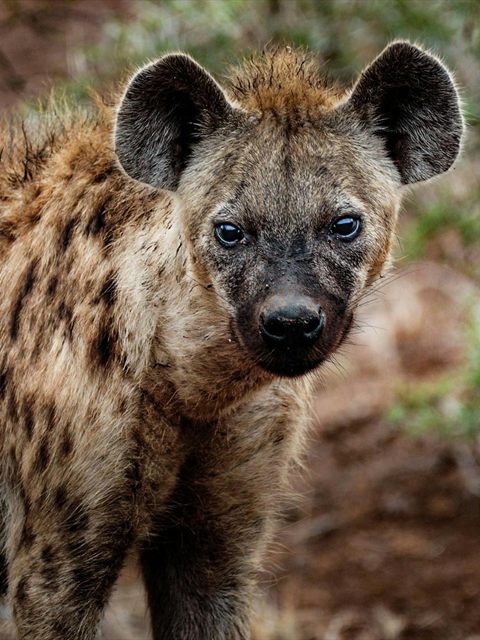
- Lions, leopards, hyenas
- Defense Mechanisms
- They use their speed and agility to escape predators, and males can be aggressive when defending territory.
- Compatible Animals
- Zebras, other antelope species
- Found in Zoos
- Uncommon