


ROCK CAVY
Kerodon rupestris
DESCRIPTION
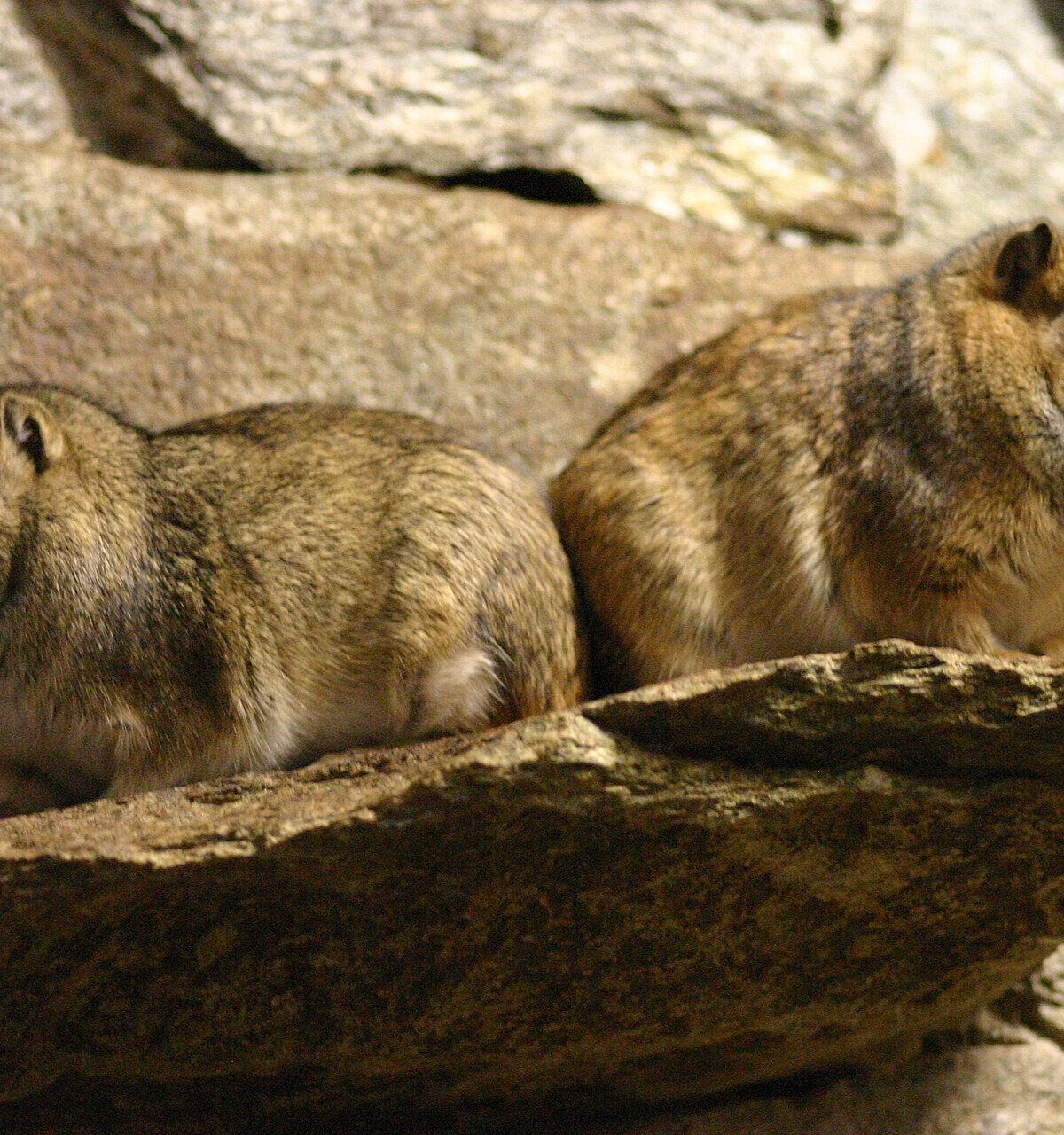
Rock Cavy (Kerodon rupestris) is a medium-sized rodent native to the rocky outcrops of Brazil. It has a robust body covered in coarse fur that is typically brown or gray, providing excellent camouflage against its rocky habitat. These animals are primarily terrestrial and are known for their social behavior, often found in small groups, which helps them to avoid predators and share vigilance.
FUN FACTS
- Rock Cavies are known for their unique social structure, often forming small groups that help them stay alert to dangers in their environment
- They communicate with each other through a variety of vocalizations, which can include whistles and chirps, making them quite vocal animals
- | These rodents are excellent climbers and can navigate rocky terrains with ease, using their strong limbs to leap between rocks and crevices
- Their ability to adapt to their environment allows them to thrive in areas that are less accessible to many other species
QUICK INFO
Lifespan5-10 years in the wild, up to 15 years in captivit
Average Weight1.5-3 kg
Average Length30-40 cm
Diet TypeHerbivore
Social StructureThey typically live in small groups, which can enhance their survival through collective vigilance.
Activity PatternDiurnal
Breeding SeasonYear-round, with peaks during the rainy season
- Habitat
- Rock Cavies inhabit rocky outcrops and savanna-like environments, where they can find shelter in crevices and burrows. This habitat provides them with both food sources and protection from predators.
- Biomes
- Savanna, Grassland
- Native Range
- Rock Cavies are found in the central and eastern regions of Brazil, particularly in the states of Bahia and Minas Gerais.
- Continent
- South America
- Countries
- Brazil
- Diet
- Rock Cavies are herbivores, primarily feeding on a variety of grasses, leaves, and fruits. They have adapted to their environment by consuming plant materials that are abundant in their rocky habitats.
- Diet Type
- Herbivore
- Favorite Food
- grasses, leaves, fruits
- Social Structure
- They typically live in small groups, which can enhance their survival through collective vigilance.
- Activity Pattern
- Diurnal
- Group Size
- 2-10
- Territorial
- 0
 VU
VU
 LC
LC
1.5-3 kg
Weight
30-40 cm
Length
- Coloration
- brown or gray fur, often with a lighter underbelly
- Lifespan
- 5-10 years in the wild, up to 15 years in captivit
- Gestation Period
- 70-75 days
- Offspring per Birth
- 1-3
- Sexual Maturity
- 3-4 months
- Breeding Season
- Year-round, with peaks during the rainy season
LC
Least Concern
IUCN Red List Status
- Population Status
- The population of Rock Cavies is currently stable, but habitat destruction poses a potential threat.
- Wild Population Estimate
- Unknown
- Population Trend
- Stable
- Endangered
- 0
- Threats
- The main threats to Rock Cavies include habitat loss due to agricultural expansion and urban development. Additionally, they may be hunted in some areas for food.
- Predators
- Birds of prey, snakes, and small carnivorous mammals are known predators of Rock Cavies.
- Defense Mechanisms
- Rock Cavies rely on their agility and ability to hide in rocky crevices to evade predators.
- Found in Zoos
- Uncommon