



ROCK HYRAX
Procavia capensis
DESCRIPTION
The Rock Hyrax, also known as the Cape Hyrax, is a small, herbivorous mammal that resembles a large guinea pig. It has a stout body, short legs, and a rounded face with large, expressive eyes. These animals are social creatures, often found in groups, and they inhabit rocky outcrops where they can easily escape predators.
FUN FACTS
- Rock Hyraxes are closely related to elephants and manatees, despite their small size and rodent-like appearance
- They share a common ancestor with these larger mammals, which is surprising given their vastly different lifestyles and habitats.| These animals have a unique adaptation in their feet, which have soft pads that allow them to grip rocky surfaces, making them excellent climbers
- This adaptation helps them escape from predators and access food sources that are out of reach for many other herbivores
QUICK INFO
Lifespan10-12 years in the wild, up to 20 years in captivi
Average Weight4-5 kg
Average Length40-50 cm
Diet TypeHerbivore
Social Structuregroup — they live in social groups that provide safety in numbers.
Activity PatternDiurnal
Breeding SeasonYear-round, with peaks depending on the region
- Habitat
- Rock Hyraxes are typically found in rocky habitats, such as cliffs and boulders, which provide shelter and protection from predators. They prefer areas with abundant vegetation for foraging.
- Biomes
- Savanna, Grassland, Rocky areas
- Native Range
- They are native to Africa and the Middle East, particularly in regions with rocky terrain.
- Continent
- Africa, Asia
- Countries
- South Africa, Namibia, Kenya, Tanzania, Ethiopia, Israel, Lebanon, Syria
- Diet
- Rock Hyraxes primarily feed on a variety of vegetation, including leaves, fruits, and grasses. They are known to graze on the foliage of shrubs and trees, making them important herbivores in their ecosystem.
- Diet Type
- Herbivore
- Favorite Food
- leaves, fruits, grasses
- Social Structure
- group — they live in social groups that provide safety in numbers.
- Activity Pattern
- Diurnal
- Group Size
- 5-80
- Territorial
- 0
 VU
VU
 LC
LC
 LC
LC
 LC
LC
4-5 kg
Weight
40-50 cm
Length
- Coloration
- Their fur is typically grayish-brown, providing camouflage against rocky backgrounds.
- Lifespan
- 10-12 years in the wild, up to 20 years in captivi
- Gestation Period
- 7-8 months
- Offspring per Birth
- 1-3
- Sexual Maturity
- 1-2 years
- Breeding Season
- Year-round, with peaks depending on the region
LC
Least Concern
IUCN Red List Status
- Population Status
- The population is currently stable, but habitat loss poses a potential threat.
- Wild Population Estimate
- Unknown, but generally considered common in suitable habitats
- Population Trend
- Stable
- Endangered
- 0
- Threats
- Main threats include habitat destruction due to urbanization and agriculture. They are also vulnerable to predation by larger carnivores.
- Predators
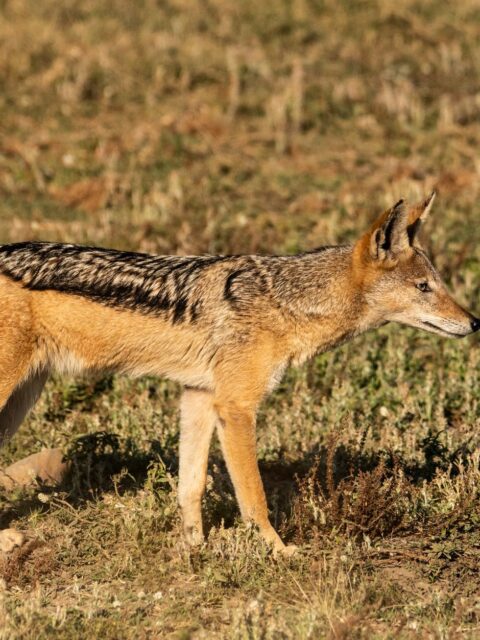
- Leopards, Eagles, Jackals, Snakes
- Defense Mechanisms
- Rock Hyraxes use their rocky habitats to escape predators and often stay alert for danger, using vocal alarms to warn others in their group.
- Found in Zoos
- Uncommon