


ROCKY MOUNTAIN BIGHORN SHEEP
Ovis canadensis
DESCRIPTION
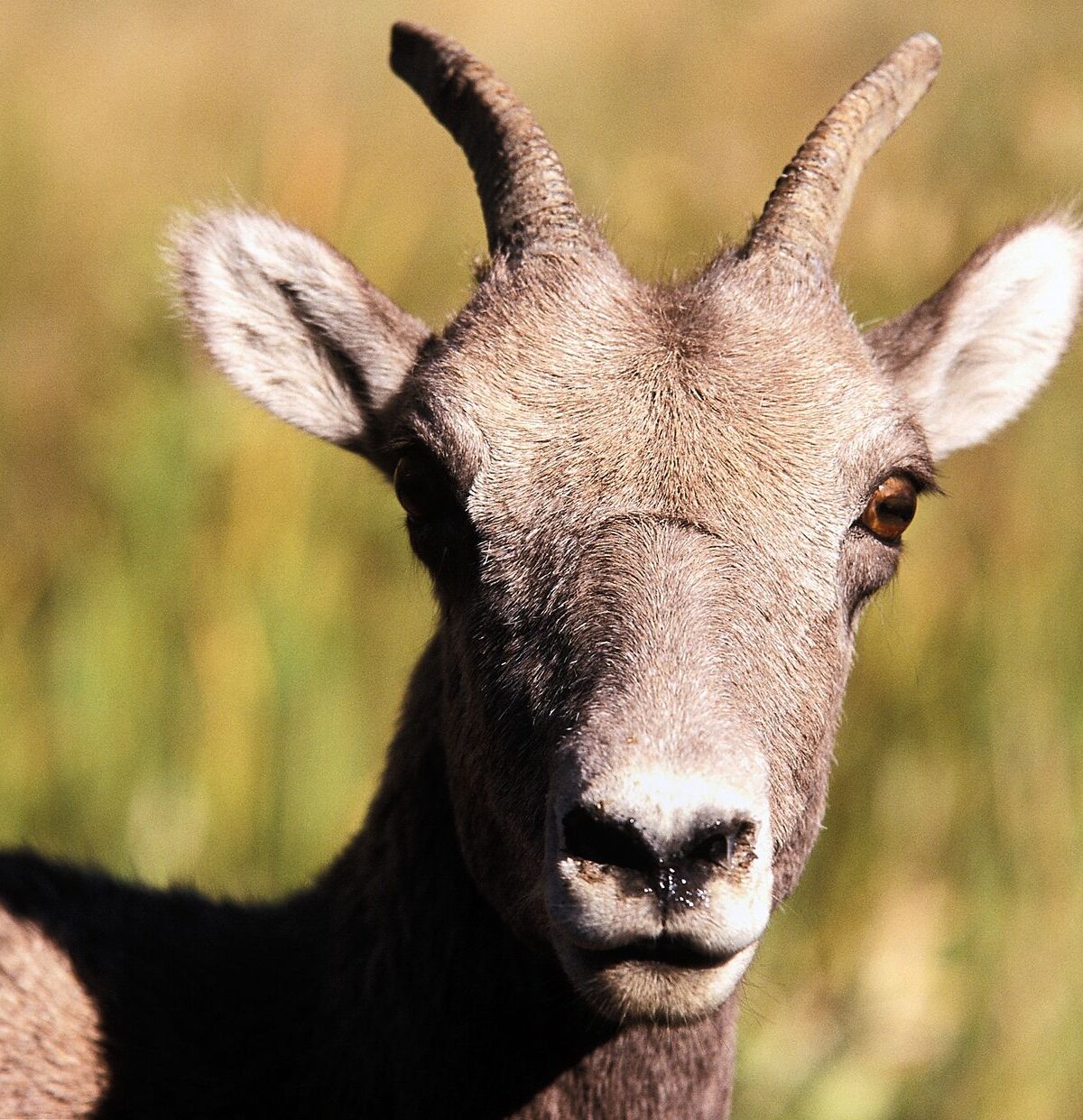
Rocky Mountain Bighorn Sheep (Ovis canadensis) is commonly known as Mountain Sheep. This species is characterized by its impressive curved horns, which can weigh up to 14 kg in males, and a thick, woolly coat that varies in color from light brown to gray. They are highly adapted to their mountainous habitats, displaying remarkable agility and strength, allowing them to navigate steep, rocky terrains with ease.
FUN FACTS
- Rocky Mountain Bighorn Sheep are known for their spectacular head-butting displays during mating season, where males clash their horns to establish dominance and attract females
- These displays can produce sounds that resonate for miles, showcasing their strength and vitality
- | Their thick woolly coats not only provide insulation against cold mountain temperatures but also help them blend into their rocky surroundings, making them less visible to predators
- This camouflage is crucial for their survival in the wild
QUICK INFO
Lifespan10-15 years in the wild, up to 20 years in captivi
Average Weight70-125 kg
Average Length1.5-2.0 m
Diet TypeHerbivore
Social Structuregroup — they typically live in herds that can range from a few individuals to over 30.
Activity PatternDiurnal
Breeding SeasonFall (November-December)
- Habitat
- These sheep inhabit rugged mountainous areas, often found in alpine and subalpine environments. They prefer steep, rocky slopes that provide both food and safety from predators.
- Biomes
- Mountain, Alpine
- Native Range
- Rocky Mountain Bighorn Sheep are native to the western United States and Canada, particularly in the Rocky Mountain range.
- Continent
- North America
- Countries
- United States, Canada
- Diet
- Rocky Mountain Bighorn Sheep primarily feed on grasses, forbs, and shrubs, which they graze on in their natural habitat. They are known to be selective feeders, often choosing the most nutritious plants available.
- Diet Type
- Herbivore
- Favorite Food
- grasses, forbs, shrubs
- Social Structure
- group — they typically live in herds that can range from a few individuals to over 30.
- Activity Pattern
- Diurnal
- Group Size
- 5-30
- Territorial
- 0
 LC
LC
LC
LC
70-125 kg
Weight
1.5-2.0 m
Length
0.9-1.1 m at shoulder
Height (Shoulder)
- Coloration
- light brown to gray with a thick woolly coat
- Sexual Dimorphism
- males are larger and have prominent curved horns, while females are smaller with shorter horns.
- Lifespan
- 10-15 years in the wild, up to 20 years in captivi
- Gestation Period
- 180-200 days
- Offspring per Birth
- 1
- Sexual Maturity
- 2-3 years
- Breeding Season
- Fall (November-December)
LC
Least Concern
IUCN Red List Status
- Population Status
- The population of Rocky Mountain Bighorn Sheep has fluctuated over the years, but conservation efforts have helped stabilize some populations.
- Wild Population Estimate
- approximately 70,000
- Population Trend
- Stable
- Endangered
- 0
- Threats
- Main threats include habitat loss due to human encroachment and competition with domestic livestock. Additionally, diseases transmitted from domestic sheep can pose significant risks to their populations.
- Conservation Program
- Various state and provincial wildlife agencies have implemented conservation programs to monitor and protect Rocky Mountain Bighorn Sheep populations.
- Predators
- Mountain lions, wolves, and bears are known predators of Rocky Mountain Bighorn Sheep.
- Defense Mechanisms
- They rely on their agility and ability to navigate steep terrain to escape predators, often fleeing to high cliffs where they can evade capture.
- Found in Zoos
- Uncommon