


RODENTS
DESCRIPTION
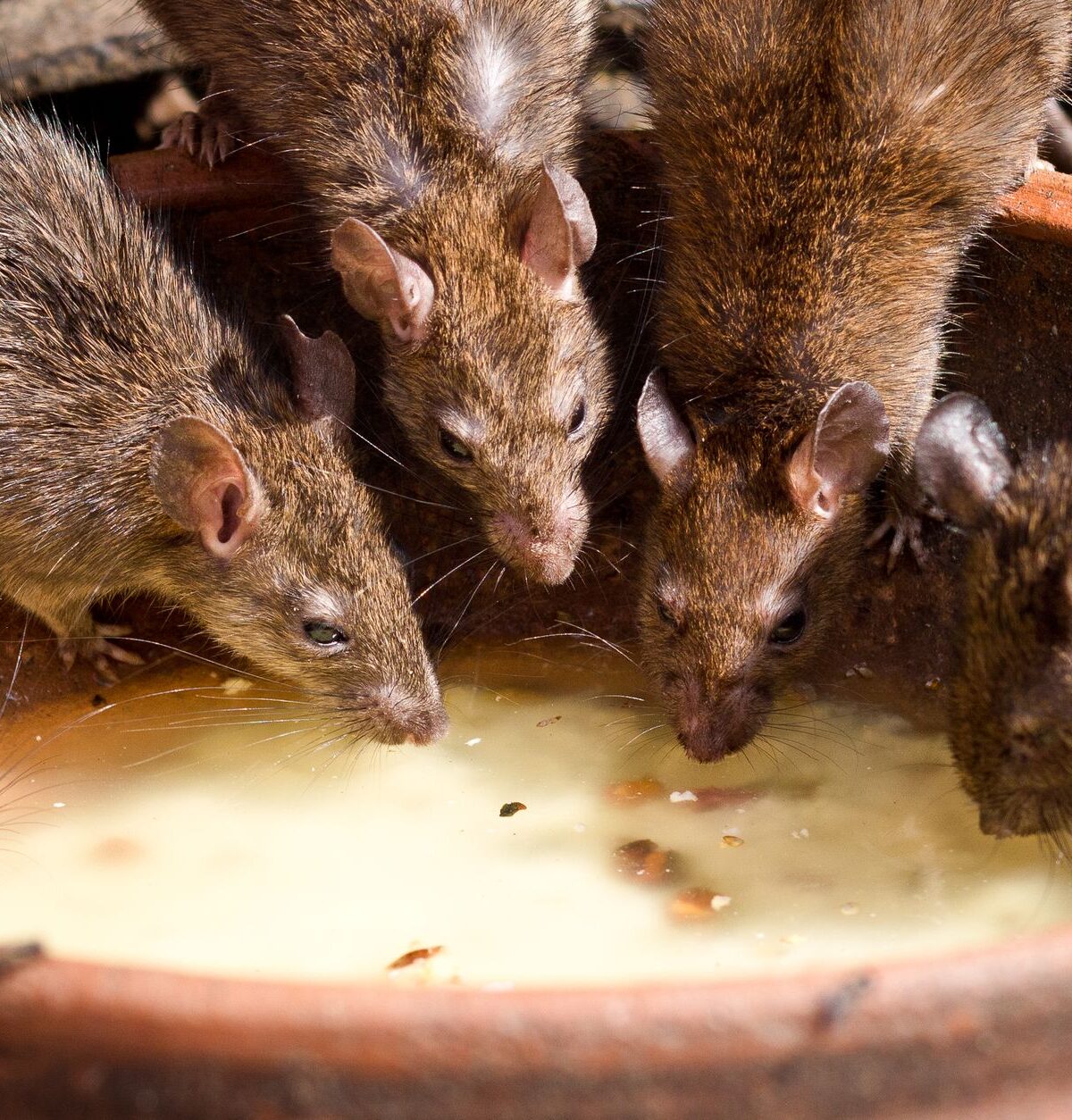
Rodents, commonly known as mice and rats, are characterized by their continuously growing incisors in both the upper and lower jaws. They exhibit a wide range of sizes and colors, from the tiny house mouse to the larger capybara. Rodents are highly adaptable and can be found in various environments, displaying diverse behaviors from solitary to social living.
FUN FACTS
- Rodents are the most diverse group of mammals, with over 2,000 species identified worldwide
- They play a crucial role in ecosystems as seed dispersers and as prey for many predators.|The capybara, a type of rodent, is the largest rodent in the world, weighing up to 150 pounds and often found in groups near water bodies
- They are social animals and can often be seen lounging with other species, including birds and monkeys
QUICK INFO
Lifespan2-5 years in the wild, up to 10 years in captivity
Average Weight0.01-100 kg
Average Length0.07-1.3 m
Diet TypeHerbivore
Social StructureRodents can be solitary or social, with some species living in large colonies. Social structures often depend on the species and environmental conditions.
Activity PatternNocturnal
Breeding SeasonYear-round in favorable conditions
- Habitat
- Rodents inhabit a variety of environments, including forests, grasslands, deserts, and urban areas. They often create burrows or nests for shelter and breeding.
- Biomes
- Temperate Forest, Grassland, Desert, Urban
- Native Range
- Rodents are found on every continent except Antarctica, with a wide distribution across various ecosystems.
- Continent
- North America, South America, Europe, Asia, Africa, Australia
- Countries
- USA, Canada, Brazil, China, India, Australia
- Diet
- Rodents primarily consume seeds, fruits, and vegetables, but some species may also eat insects and small animals. Their diet varies significantly depending on their habitat and availability of food sources.
- Diet Type
- Herbivore
- Favorite Food
- seeds, fruits, vegetables
- Social Structure
- Rodents can be solitary or social, with some species living in large colonies. Social structures often depend on the species and environmental conditions.
- Activity Pattern
- Nocturnal
- Group Size
- 2-100
- Territorial
- 0
 CR
CR
 LC
LC
 LC
LC
 LC
LC
0.01-100 kg
Weight
0.07-1.3 m
Length
- Coloration
- Coloration varies widely, including browns, grays, and blacks, often with lighter underbellies.
- Sexual Dimorphism
- Males are generally larger than females in many species.
- Lifespan
- 2-5 years in the wild, up to 10 years in captivity
- Gestation Period
- 20-30 days
- Offspring per Birth
- 3-12
- Sexual Maturity
- 2-3 months
- Breeding Season
- Year-round in favorable conditions
LC
Least Concern
IUCN Red List Status
- Population Status
- Rodent populations are generally stable, but some species face threats from habitat loss and predation.
- Wild Population Estimate
- Unknown
- Population Trend
- Stable
- Endangered
- 0
- Threats
- Main threats include habitat destruction, predation by domestic animals, and competition with invasive species. Some species are also affected by disease.
- Predators
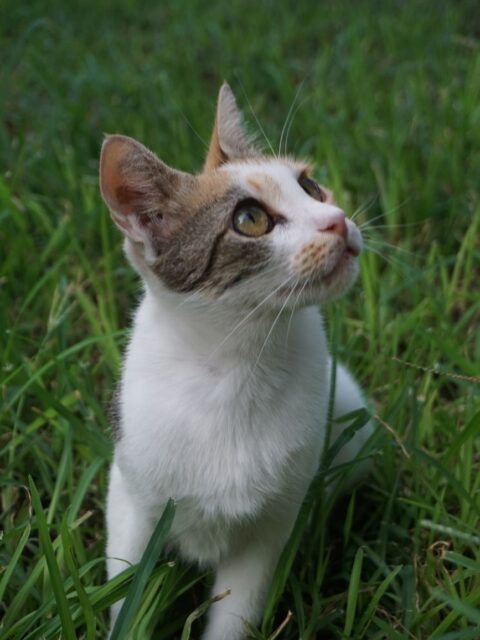
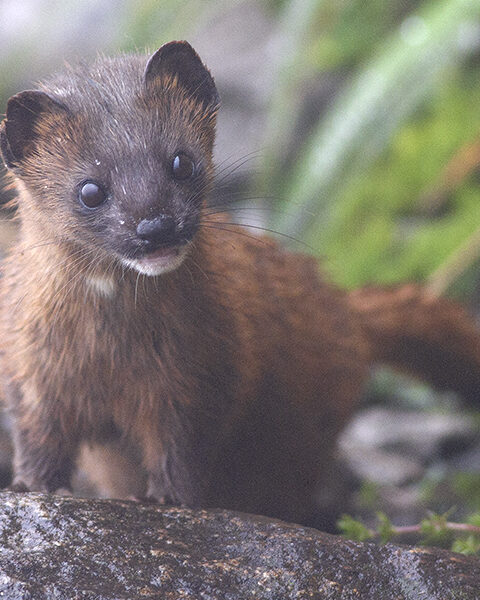
- hawks, owls, snakes, foxes, domestic cats, weasels
- Defense Mechanisms
- Rodents use various defense mechanisms, including burrowing, fleeing, and using their sharp teeth to defend themselves.
- Compatible Animals
- birds of prey, snakes, other small mammals
- Found in Zoos
- Common