


ROSY-BILLED POCHARD
Netta peposaca
DESCRIPTION
The Rosy-Billed Pochard is a striking waterfowl known for its distinctive rosy-colored bill and bold plumage. Males exhibit a dark brown body with a white chest and a striking red bill, while females are more subdued in coloration, featuring mottled brown feathers. This species is often found in freshwater lakes and marshes, where it forages for food and engages in social behaviors with other ducks.
FUN FACTS
- The Rosy-Billed Pochard is known for its unique courtship displays, which involve elaborate head movements and vocalizations that can be quite entertaining to observe
- Additionally, these ducks are excellent divers, capable of reaching depths to forage for food, making them well-adapted to their aquatic habitats
QUICK INFO
Lifespan10-15 years in the wild
Average Weight700-1,200 g
Average Length50-60 cm
Diet TypeOmnivore
Social StructureThey are often seen in pairs or small groups, especially during the breeding season.
Activity PatternDiurnal
Breeding SeasonSpring to early summer
- Habitat
- This species inhabits freshwater lakes, marshes, and wetlands, often favoring areas with abundant vegetation. They are typically found in shallow waters where they can easily access food.
- Biomes
- Wetlands, Freshwater
- Native Range
- The Rosy-Billed Pochard is native to South America, particularly in countries like Argentina, Bolivia, Paraguay, and southern Brazil.
- Continent
- South America
- Countries
- Argentina, Bolivia, Paraguay, Brazil
- Diet
- The Rosy-Billed Pochard primarily feeds on aquatic plants, seeds, and invertebrates. It forages by diving or dabbling in the water.
- Diet Type
- Omnivore
- Favorite Food
- aquatic plants, seeds, invertebrates
- Social Structure
- They are often seen in pairs or small groups, especially during the breeding season.
- Activity Pattern
- Diurnal
- Group Size
- 2-20
- Territorial
- 0

 LC
LC
700-1,200 g
Weight
50-60 cm
Length
- Coloration
- Males are dark brown with a white chest and a bright rosy bill, while females are mottled brown.
- Sexual Dimorphism
- Males are more brightly colored than females.
- Lifespan
- 10-15 years in the wild
- Offspring per Birth
- 6-12
- Sexual Maturity
- 1-2 years
- Breeding Season
- Spring to early summer
LC
Least Concern
IUCN Red List Status
- Population Status
- The population is currently stable, but habitat loss poses a potential threat.
- Wild Population Estimate
- Unknown
- Population Trend
- Stable
- Endangered
- 0
- Threats
- Main threats include habitat destruction due to agriculture and urban development. Pollution and hunting also pose risks to their populations.
- Predators
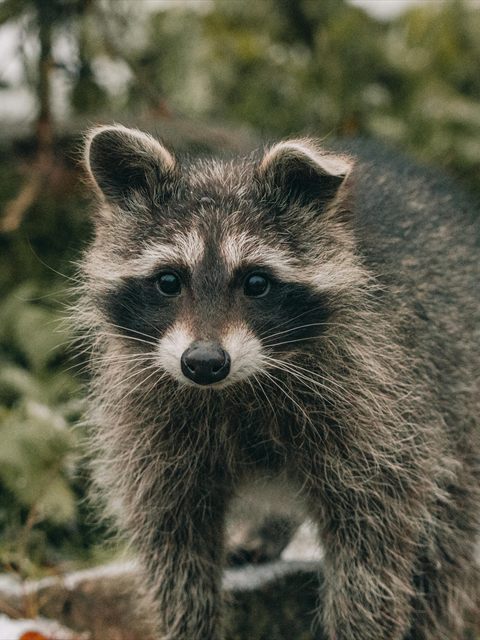
- Foxes, raccoons, and various birds of prey.
- Defense Mechanisms
- They rely on their ability to dive and swim quickly to evade predators.
- Compatible Animals
- Other duck species, geese
- Found in Zoos
- Uncommon