


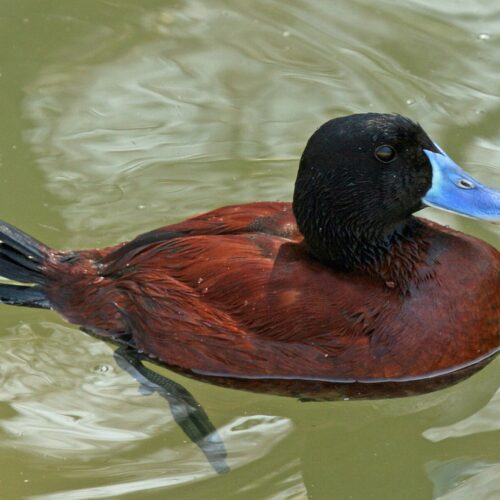
RUDDY DUCK
Oxyura jamaicensis
DESCRIPTION
The Ruddy Duck is a small, diving duck known for its striking appearance, particularly in males during the breeding season when they exhibit bright blue bills and chestnut-colored bodies. Females and non-breeding males are more subdued in color, featuring a grayish-brown plumage with a lighter face. These ducks are often seen in wetlands and marshes, where they engage in unique courtship displays that include elaborate head-bobbing and tail-raising behaviors.
FUN FACTS
- Ruddy Ducks are known for their unique courtship displays, which can include a series of head-bobbing and tail-raising movements that are quite entertaining to observe
- During the breeding season, males will often engage in these displays to attract females, showcasing their vibrant plumage and blue bills
- | Interestingly, Ruddy Ducks are one of the few duck species that exhibit significant sexual dimorphism, with males being much more colorful than females
- This bright coloration is not just for show; it plays a crucial role in attracting mates during the breeding season
QUICK INFO
Lifespan5-10 years in the wild
Average Weight300-500 g
Average Length30-38 cm
Diet TypeOmnivore
Social Structurepair during breeding season, social groups outside of breeding
Activity PatternDiurnal
Breeding SeasonSpring (April-June)
- Habitat
- Ruddy Ducks inhabit freshwater marshes, ponds, and lakes, often favoring areas with dense vegetation. They are particularly associated with shallow waters that provide ample food resources and nesting sites.
- Biomes
- Wetlands, Freshwater
- Native Range
- The Ruddy Duck breeds across North America and parts of Canada, migrating to Central America and the northern parts of South America during winter.
- Continent
- North America, South America
- Countries
- United States, Canada, Mexico
- Diet
- Ruddy Ducks primarily feed on aquatic invertebrates and plant material, foraging by diving underwater. They are known to consume seeds, roots, and tubers from various aquatic plants.
- Diet Type
- Omnivore
- Favorite Food
- aquatic invertebrates, seeds
- Social Structure
- pair during breeding season, social groups outside of breeding
- Activity Pattern
- Diurnal
- Group Size
- 5-30
- Territorial
- 1
 LC
LC

300-500 g
Weight
30-38 cm
Length
- Coloration
- males are bright chestnut with a blue bill, females are grayish-brown
- Sexual Dimorphism
- males are more colorful than females
- Lifespan
- 5-10 years in the wild
- Offspring per Birth
- 6-10
- Sexual Maturity
- 1 year
- Breeding Season
- Spring (April-June)
LC
Least Concern
IUCN Red List Status
- Population Status
- The Ruddy Duck population is currently stable, although local declines may occur due to habitat loss.
- Wild Population Estimate
- 200,000-300,000
- Population Trend
- Stable
- Endangered
- 0
- Threats
- Main threats include habitat destruction due to wetland drainage and pollution, which can impact their breeding and feeding grounds. Climate change also poses a risk by altering their habitats.
- Predators
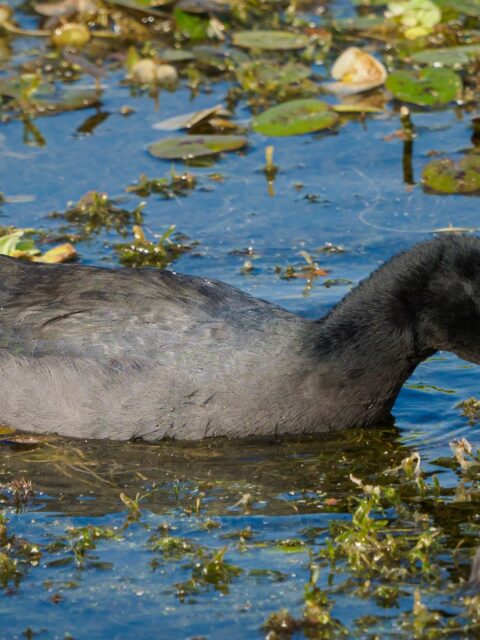
- American Coot, various raptors, foxes, and large fish species.
- Defense Mechanisms
- Ruddy Ducks rely on their ability to dive quickly to escape predators, and they often remain hidden among vegetation.
- Compatible Animals
- American Black Duck, Northern Pintail, Mallard
- Found in Zoos
- Uncommon