


RUDDY TURNSTONE
Arenaria interpres
DESCRIPTION
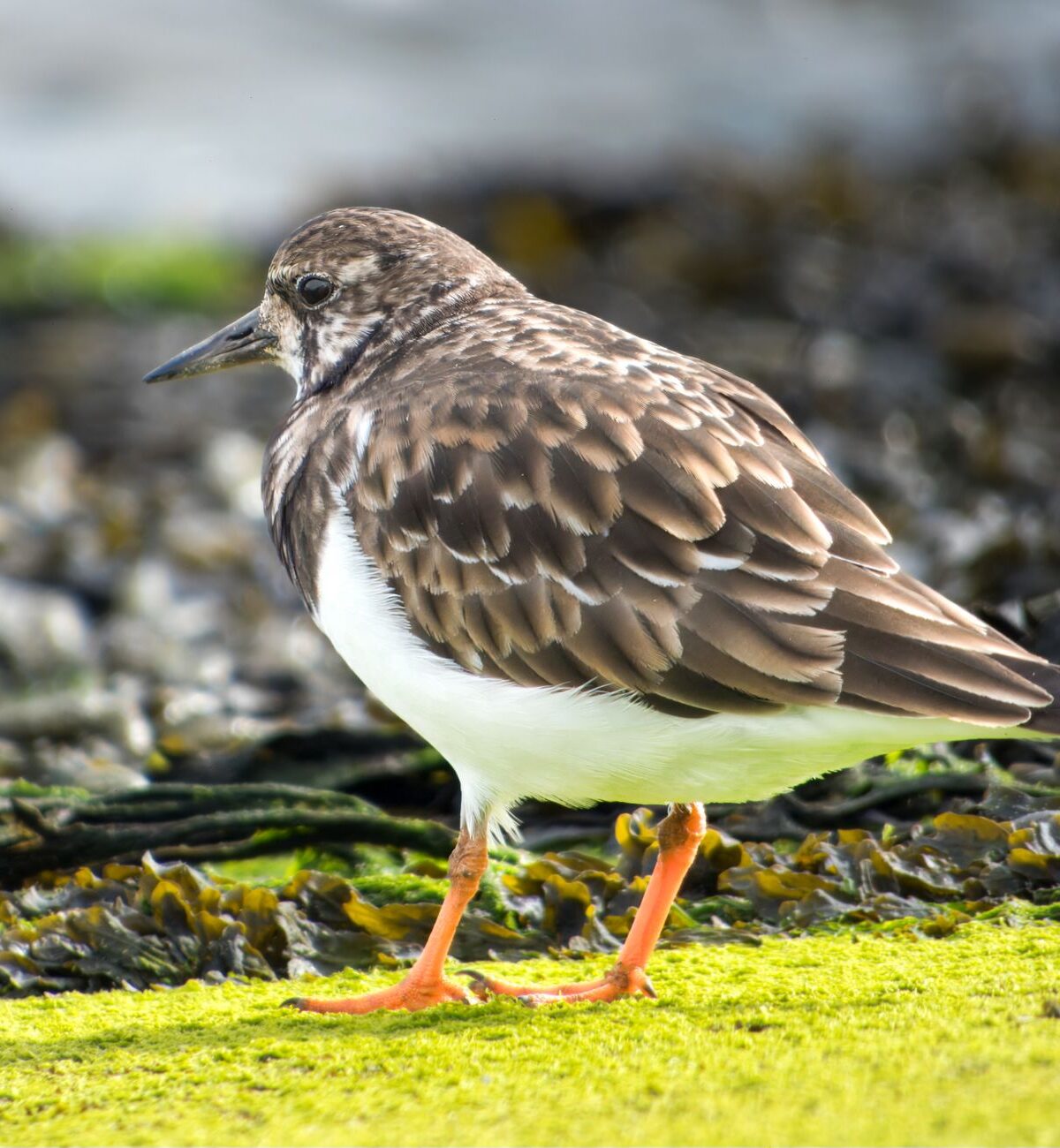
Ruddy Turnstone (Arenaria interpres) is a small shorebird known for its distinctive plumage and energetic behavior. It has a striking combination of reddish-brown, black, and white feathers, which provide excellent camouflage against rocky shorelines. This species is often seen flipping over stones and debris in search of food, showcasing its foraging skills and adaptability to various coastal habitats.
FUN FACTS
- Ruddy Turnstones are known for their unique foraging behavior, where they use their strong bills to flip over stones and shells to find food
- This behavior not only showcases their intelligence but also their adaptability to different environments
- | During migration, Ruddy Turnstones can travel long distances, often covering thousands of miles between their breeding and wintering grounds
- They are known to stop at various coastal sites along the way, making them an important species for coastal ecosystems
QUICK INFO
Lifespanup to 10 years in the wild
Average Weight70-150 g
Average Length20-23 cm
Diet TypeCarnivore
Social Structuregroup — they often forage in flocks, especially during migration.
Activity PatternDiurnal
Breeding SeasonSpring (May-July)
- Habitat
- Ruddy Turnstones inhabit coastal areas, particularly rocky shorelines, sandy beaches, and mudflats. They are often found in both marine and estuarine environments during migration and breeding seasons.
- Biomes
- Coastal, Marine
- Native Range
- Ruddy Turnstones breed in the Arctic regions of North America and Eurasia, migrating to temperate and tropical coasts during the winter.
- Continent
- North America, Europe, Asia
- Countries
- Canada, United States, Russia, Norway, United Kingdom
- Diet
- Ruddy Turnstones primarily feed on invertebrates, including crustaceans, mollusks, and insects. They are known for their unique foraging behavior, where they turn over stones and shells to uncover hidden prey.
- Diet Type
- Carnivore
- Favorite Food
- crustaceans, mollusks, insects
- Social Structure
- group — they often forage in flocks, especially during migration.
- Activity Pattern
- Diurnal
- Group Size
- 5-50
- Territorial
- 0
 LC
LC
 DD
DD
70-150 g
Weight
20-23 cm
Length
- Coloration
- Ruddy Turnstones have a mottled brown and white plumage with a distinctive ruddy coloration on their back during the breeding season.
- Lifespan
- up to 10 years in the wild
- Offspring per Birth
- 3-4
- Sexual Maturity
- 1 year
- Breeding Season
- Spring (May-July)
LC
Least Concern
IUCN Red List Status
- Population Status
- The population of Ruddy Turnstones is currently stable, although they face threats from habitat loss.
- Wild Population Estimate
- 100,000-200,000
- Population Trend
- Stable
- Endangered
- 0
- Threats
- Main threats include habitat destruction due to coastal development and climate change, which affects their breeding and feeding grounds. Additionally, human disturbance during nesting can impact their reproductive success.
- Predators
- Gulls, raptors, foxes, and other shorebirds may prey on Ruddy Turnstones, especially during the nesting season.
- Defense Mechanisms
- They rely on their camouflage and quick movements to evade predators.
- Found in Zoos
- Rare