


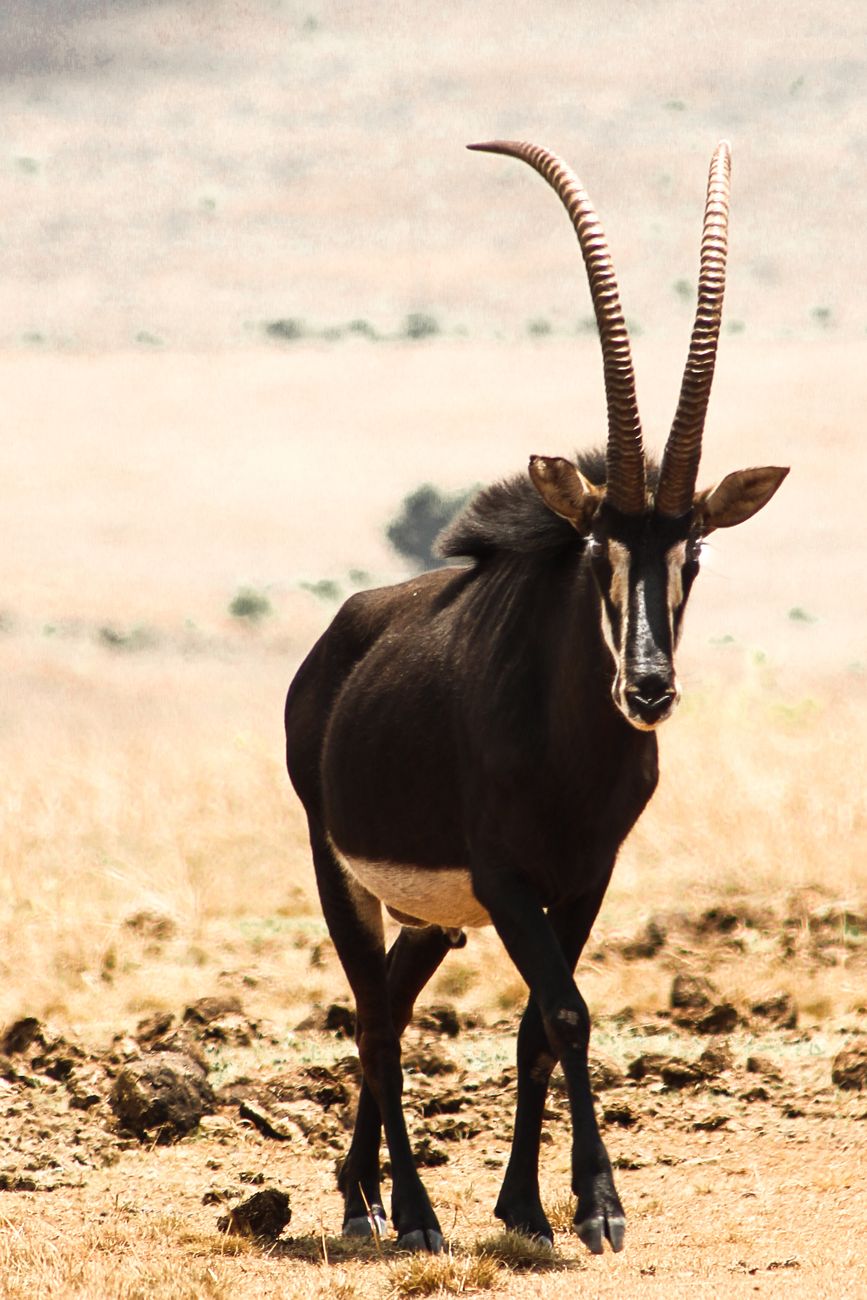
SABLE
Hippotragus niger
DESCRIPTION
Sable (Hippotragus niger) is commonly known as the Black Sable Antelope, recognized for its striking appearance with long, curved horns and a sleek, dark coat. These antelopes are social animals that typically inhabit open grasslands and savannas, where they graze on grasses and browse on shrubs. Sable are known for their strong territorial behavior, particularly males, who will defend their territory against rivals and predators alike.
FUN FACTS
- Sable antelopes are known for their impressive horns, which can grow up to 1 meter long and are used in fights with other males for dominance
- They are also highly social animals, often forming strong bonds within their herds, which can help them protect against predators
QUICK INFO
Lifespan15-20 years in wild, up to 25 in captivity
Average Weight150-250 kg
Average Length1.8-2.5 m
Diet TypeHerbivore
Social Structuregroup — Sable typically live in herds that can range from a few individuals to over 20, with a dominant male leading the group.
Activity PatternDiurnal
Breeding SeasonYear-round, with peaks depending on local conditions
- Habitat
- Sable inhabit open grasslands and savannas, often near water sources. They prefer areas with a mix of grass and scattered trees for shade.
- Biomes
- Savanna, Grassland
- Native Range
- Sable are native to the southern regions of Africa, particularly in countries like Botswana, Namibia, and South Africa.
- Continent
- Africa
- Countries
- Botswana, Namibia, South Africa, Zimbabwe
- Diet
- Sable primarily feeds on grasses, but they also consume leaves and shoots from shrubs and trees.
- Diet Type
- Herbivore
- Favorite Food
- grasses, leaves, shrubs
- Social Structure
- group — Sable typically live in herds that can range from a few individuals to over 20, with a dominant male leading the group.
- Activity Pattern
- Diurnal
- Group Size
- 5-20
- Territorial
- 1
 LC
LC
 VU
VU
 LC
LC
150-250 kg
Weight
1.8-2.5 m
Length
1.2 m at shoulder
Height (Shoulder)
- Coloration
- dark brown to black coat with white markings on the face and underbelly
- Sexual Dimorphism
- males are larger and have longer horns than females
- Lifespan
- 15-20 years in wild, up to 25 in captivity
- Gestation Period
- 240 days
- Offspring per Birth
- 1
- Sexual Maturity
- 2-3 years
- Breeding Season
- Year-round, with peaks depending on local conditions
LC
Least Concern
IUCN Red List Status
- Population Status
- Sable populations are currently stable in some areas but face threats in others due to habitat loss and hunting.
- Wild Population Estimate
- 20,000-25,000
- Population Trend
- Stable
- Endangered
- 0
- Threats
- Main threats to Sable include habitat loss due to agricultural expansion and hunting. Conservation efforts are in place in some regions to protect their habitats.
- Conservation Program
- Various national parks and reserves in southern Africa provide protection for Sable populations.
- Predators
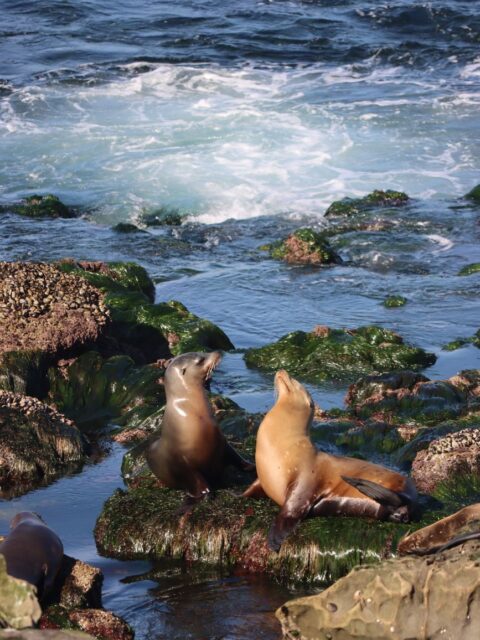
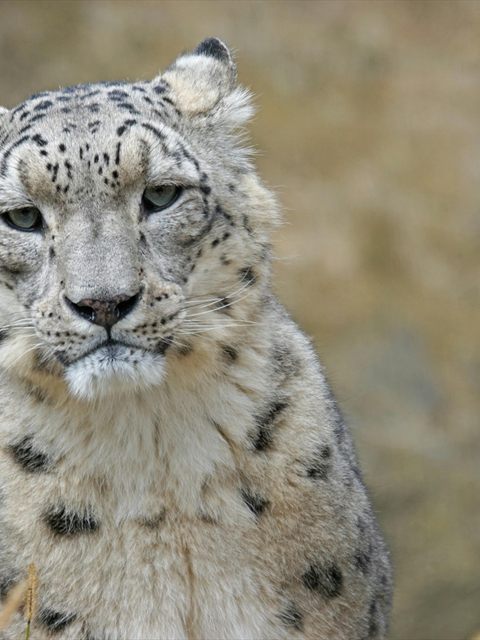
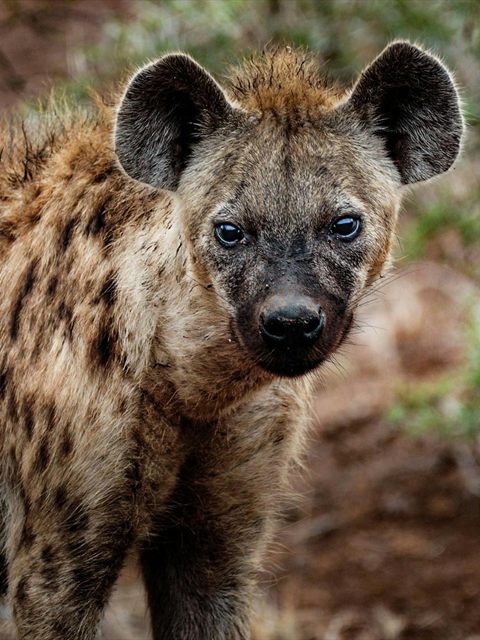
- Lions, leopards, hyenas, and crocodiles are known predators of Sable.
- Defense Mechanisms
- Sable use their speed and agility to escape predators, and males will also defend their territory aggressively.
- Compatible Animals
- Zebras, wildebeests, various antelope species
- Found in Zoos
- Uncommon