


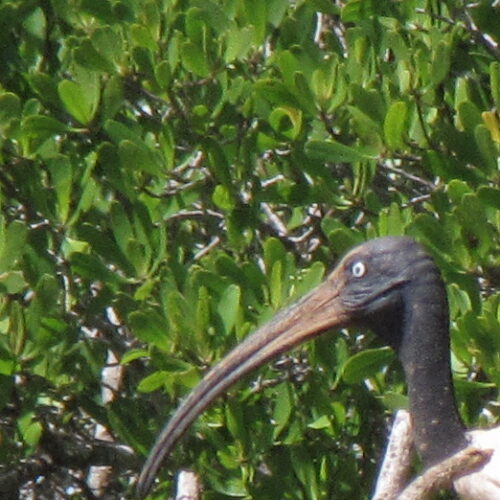
SACRED IBIS
Threskiornis aethiopicus
DESCRIPTION
The Sacred Ibis is a large wading bird characterized by its long, curved bill and predominantly white plumage, with black feathers on the head, neck, and tips of the wings. It is known for its distinctive foraging behavior, often seen probing mud and shallow waters for food. This species has a strong cultural significance in ancient Egypt, where it was associated with the god Thoth and often mummified.
FUN FACTS
- The Sacred Ibis was revered in ancient Egypt, where it was often depicted in art and sculpture, symbolizing wisdom and knowledge
- Mummified Sacred Ibises have been found in large quantities in Egyptian tombs, indicating their importance in religious practices
- | The species is known for its unique foraging technique, where it uses its long bill to probe into the mud, often working in groups to uncover food sources
- This behavior not only showcases their adaptability but also their social nature, as they communicate and coordinate with one another while foraging
QUICK INFO
Lifespan10-15 years in the wild, up to 20 in captivity
Average Weight1.5-2.5 kg
Average Length65-75 cm
Diet TypeOmnivore
Social Structuregroup — they are often seen foraging and roosting in flocks.
Activity PatternDiurnal
Breeding SeasonWet season, varies by region
- Habitat
- Sacred Ibises inhabit wetlands, marshes, and riverbanks, where they can find ample food sources. They prefer areas with shallow water and abundant vegetation.
- Biomes
- Wetlands, Grasslands
- Native Range
- The Sacred Ibis is native to parts of Africa and the Middle East, particularly in regions near water bodies.
- Continent
- Africa, Asia
- Countries
- Egypt, Sudan, South Africa, Senegal, Ethiopia
- Diet
- The Sacred Ibis primarily feeds on insects, crustaceans, and small fish, often foraging in wetlands and mudflats. It uses its long bill to probe into the substrate to find its prey.
- Diet Type
- Omnivore
- Favorite Food
- insects, crustaceans, small fish
- Social Structure
- group — they are often seen foraging and roosting in flocks.
- Activity Pattern
- Diurnal
- Group Size
- 10-100
- Territorial
- 0
 LC
LC
 LC
LC
1.5-2.5 kg
Weight
65-75 cm
Length
- Coloration
- predominantly white with black head, neck, and wing tips
- Lifespan
- 10-15 years in the wild, up to 20 in captivity
- Offspring per Birth
- 2-5
- Sexual Maturity
- 2-3 years
- Breeding Season
- Wet season, varies by region
LC
Least Concern
IUCN Red List Status
- Population Status
- The population of Sacred Ibises is currently stable, but they face habitat loss in some areas.
- Wild Population Estimate
- 50,000-100,000
- Population Trend
- Stable
- Endangered
- 0
- Threats
- Main threats include habitat destruction due to agriculture and urbanization, as well as pollution of wetland areas. Climate change also poses a risk to their habitats.
- Predators
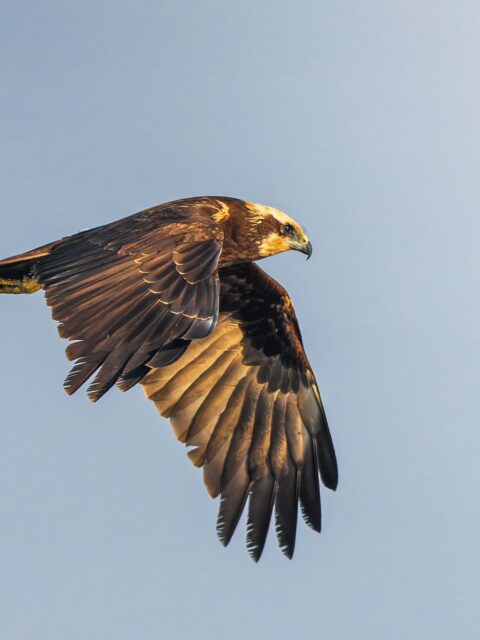
- Marsh harriers, eagles, and large mammals such as crocodiles may prey on Sacred Ibises, especially their eggs and young.
- Defense Mechanisms
- They often rely on their social structure for protection, using alarm calls to warn others of potential threats.
- Compatible Animals
- other wading birds, ducks, geese
- Found in Zoos
- Common