


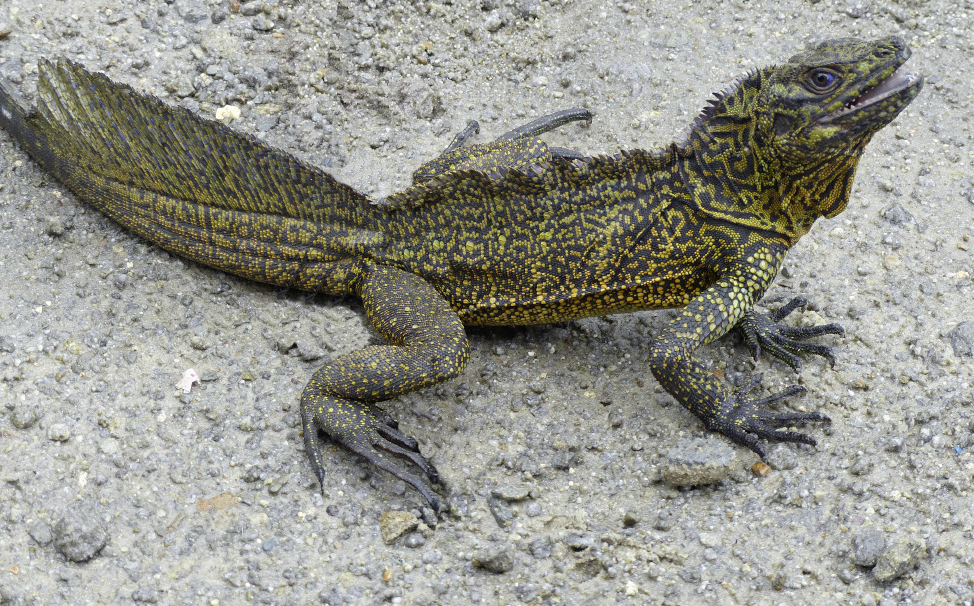
SAIL-TAILED LIZARD
DESCRIPTION
Sail-Tailed Lizard is a striking reptile known for its distinctive sail-like structure along its back, which is formed by elongated spines covered in skin. This unique feature not only aids in thermoregulation but also plays a role in attracting mates and deterring predators. Typically found basking in the sun, these lizards exhibit a range of colors that help them blend into their environment, showcasing their adaptability to various habitats.
FUN FACTS
- Sail-Tailed Lizards are known for their impressive displays during mating season, where males will puff up their sails and perform elaborate movements to attract females
- | These lizards have a unique ability to change their body temperature by adjusting their position in relation to the sun, showcasing their remarkable adaptation to their harsh environments
QUICK INFO
Lifespan5-10 years in the wild, up to 15 in captivity
Average Weight200-300 g
Average Length30-40 cm
Diet TypeInsectivore
Social Structuresolitary, with occasional pairings during breeding
Activity PatternDiurnal
Breeding SeasonSpring (September-November)
- Habitat
- These lizards inhabit arid and semi-arid regions, often favoring rocky outcrops and scrubland. Their ability to camouflage allows them to thrive in environments with sparse vegetation.
- Biomes
- Desert, Grassland
- Native Range
- Sail-Tailed Lizards are native to the arid regions of Australia, particularly in the central and western parts of the continent.
- Continent
- Australia
- Countries
- Australia
- Diet
- Sail-Tailed Lizards primarily feed on insects and small invertebrates, showcasing their role as insectivores in the ecosystem. They are known to actively hunt their prey, using their keen eyesight to spot movement.
- Diet Type
- Insectivore
- Favorite Food
- insects, small invertebrates
- Social Structure
- solitary, with occasional pairings during breeding
- Activity Pattern
- Diurnal
- Group Size
- 1-2
- Territorial
- 1
 VU
VU
 LC
LC
200-300 g
Weight
30-40 cm
Length
- Coloration
- Typically brown or gray with lighter markings, aiding in camouflage.
- Sexual Dimorphism
- Males are generally larger and have more pronounced sail structures than females.
- Lifespan
- 5-10 years in the wild, up to 15 in captivity
- Offspring per Birth
- 3-5
- Sexual Maturity
- 1-2 years
- Breeding Season
- Spring (September-November)
LC
Least Concern
IUCN Red List Status
- Population Status
- The population is currently stable, but habitat loss poses a potential threat.
- Wild Population Estimate
- Not specifically estimated, but considered stable.
- Population Trend
- Stable
- Endangered
- 0
- Threats
- Main threats include habitat destruction due to urbanization and agriculture. Additionally, climate change poses a risk to their arid habitats.
- Predators
- Birds of prey, snakes, and larger reptiles are known to prey on Sail-Tailed Lizards.
- Defense Mechanisms
- They can quickly blend into their surroundings to avoid detection by predators.
- Found in Zoos
- Uncommon