


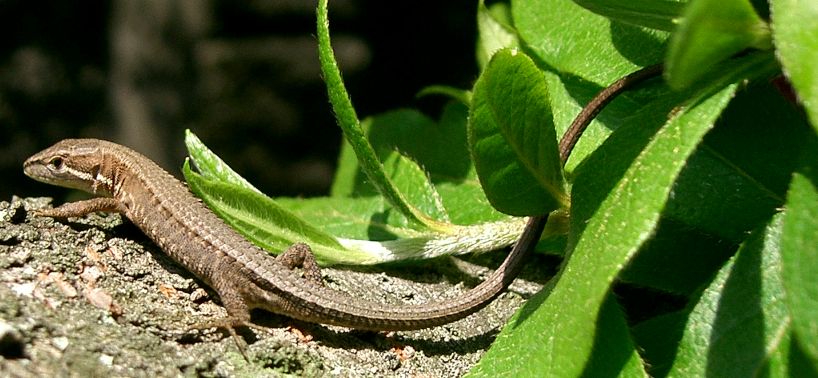
SAKASHIMA GRASS LIZARD
Takydromus tachydromoides
DESCRIPTION
Sakashima Grass Lizard (Takydromus tachydromoides) is a small, slender lizard characterized by its elongated body and long tail, which can be nearly twice the length of its body. It typically exhibits a greenish or brownish coloration with darker stripes running along its back, providing excellent camouflage in its grassland habitat. This species is known for its quick movements and agility, often darting through vegetation to escape predators or catch prey.
FUN FACTS
- Sakashima Grass Lizards are known for their remarkable speed, which allows them to escape from predators quickly
- They can often be seen basking in the sun, which helps them regulate their body temperature and prepare for active foraging during the day.|These lizards are also interesting for their reproductive strategy, laying eggs in sandy or loose soil, which provides a safe environment for their developing young
- The eggs typically hatch in late summer, and the young lizards are independent from birth
QUICK INFO
Lifespan5-7 years in the wild
Average Length10-15 cm
Diet TypeInsectivore
Social Structuresolitary
Activity PatternDiurnal
Breeding SeasonSpring to early summer
- Habitat
- This lizard inhabits grasslands, open fields, and areas with sparse vegetation. It prefers habitats that provide ample cover for hiding and hunting.
- Biomes
- Grassland, Temperate Forest
- Native Range
- The Sakashima Grass Lizard is native to the Ryukyu Islands of Japan, particularly found on the islands of Sakashima.
- Continent
- Asia
- Countries
- Japan
- Diet
- The Sakashima Grass Lizard primarily feeds on small insects and other invertebrates. Its diet consists mainly of ants, beetles, and grasshoppers.
- Diet Type
- Insectivore
- Favorite Food
- small insects
- Social Structure
- solitary
- Activity Pattern
- Diurnal
- Group Size
- 1
- Territorial
- 1
 VU
VU
 LC
LC
10-15 cm
Length
- Coloration
- greenish or brownish with darker stripes
- Sexual Dimorphism
- males are typically more colorful than females
- Lifespan
- 5-7 years in the wild
- Offspring per Birth
- 3-10 eggs
- Sexual Maturity
- 1-2 years
- Breeding Season
- Spring to early summer
LC
Least Concern
IUCN Red List Status
- Population Status
- The population status of the Sakashima Grass Lizard is currently stable, but habitat loss poses a potential threat.
- Population Trend
- Stable
- Endangered
- 0
- Threats
- Main threats include habitat destruction due to agricultural expansion and urban development. These activities reduce the available habitat for the lizard and can lead to population declines.
- Predators
- birds of prey, snakes, and larger lizards
- Defense Mechanisms
- The Sakashima Grass Lizard relies on its speed and agility to escape from predators, often using quick, darting movements to evade capture.
- Found in Zoos
- Rare