


SAN CLEMENTE LOGGERHEAD SHRIKE
Lanius ludovicianus mearnsi
DESCRIPTION
The San Clemente Loggerhead Shrike is a medium-sized songbird characterized by its robust body, hooked bill, and distinctive black mask across its eyes. It exhibits a grayish plumage with white underparts and black wings, making it easily recognizable. This species is known for its predatory behavior, often impaling its prey on thorns or barbed wire, which is a unique adaptation among songbirds.
FUN FACTS
- The San Clemente Loggerhead Shrike is often referred to as the 'butcher bird' due to its unique hunting technique of impaling prey on sharp objects
- This behavior not only helps it store food but also serves as a way to tenderize its catch before eating
- | This species has a very limited range, being found only on San Clemente Island, which makes it particularly vulnerable to environmental changes and human activities
- Conservation efforts are crucial to ensure its survival, and it serves as an important indicator of the health of its island ecosystem
QUICK INFO
Lifespan5-10 years in the wild
Average Weight70-100 g
Average Length22-25 cm
Diet TypeCarnivore
Social Structurepair, typically forms monogamous pairs during the breeding season
Activity PatternDiurnal
Breeding SeasonSpring (March-June)
- Habitat
- This species inhabits arid scrublands and open grasslands, often favoring areas with sparse vegetation. It requires perches for hunting and nesting, making it dependent on specific habitat structures.
- Biomes
- Grassland, Desert
- Native Range
- The San Clemente Loggerhead Shrike is endemic to San Clemente Island, California.
- Continent
- North America
- Countries
- United States
- Diet
- The San Clemente Loggerhead Shrike primarily feeds on insects, small mammals, and birds. It is known for its hunting prowess, often catching prey in mid-air or from a perch.
- Diet Type
- Carnivore
- Favorite Food
- insects, small mammals
- Social Structure
- pair, typically forms monogamous pairs during the breeding season
- Activity Pattern
- Diurnal
- Group Size
- 1-2
- Territorial
- 1
 LC
LC
 LC
LC
 LC
DD
LC
DD
70-100 g
Weight
22-25 cm
Length
- Coloration
- grayish with white underparts and black wings
- Lifespan
- 5-10 years in the wild
- Offspring per Birth
- 3-6
- Sexual Maturity
- 1 year
- Breeding Season
- Spring (March-June)
EN
Endangered
IUCN Red List Status
- Population Status
- The population of the San Clemente Loggerhead Shrike is currently low and declining due to habitat loss.
- Wild Population Estimate
- less than 1,000
- Population Trend
- Decreasing
- Endangered
- 1
- Threats
- Main threats include habitat destruction due to development and invasive species that compete for resources. Additionally, predation by introduced species poses a significant risk to their survival.
- Conservation Program
- Conservation efforts include habitat restoration and protection measures on San Clemente Island.
- Predators
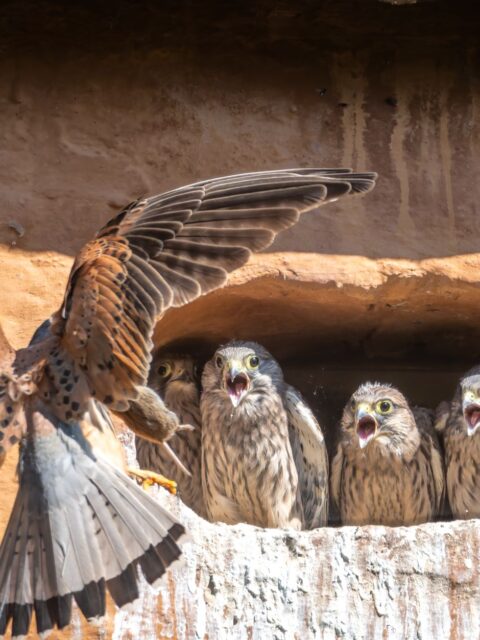
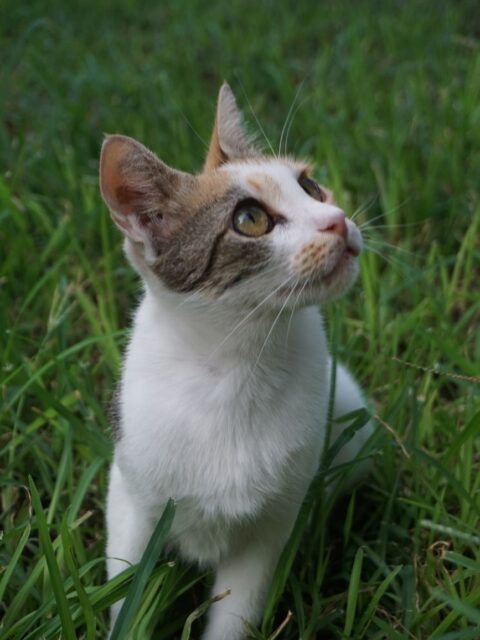
- American Kestrel, Red-tailed Hawk, domestic cats, and other raptors
- Defense Mechanisms
- The San Clemente Loggerhead Shrike uses its sharp bill to defend itself and can be aggressive when threatened.
- Found in Zoos
- Rare