


SAN FRANCISCO GARTER SNAKE
Thamnophis sirtalis tetrataenia
DESCRIPTION
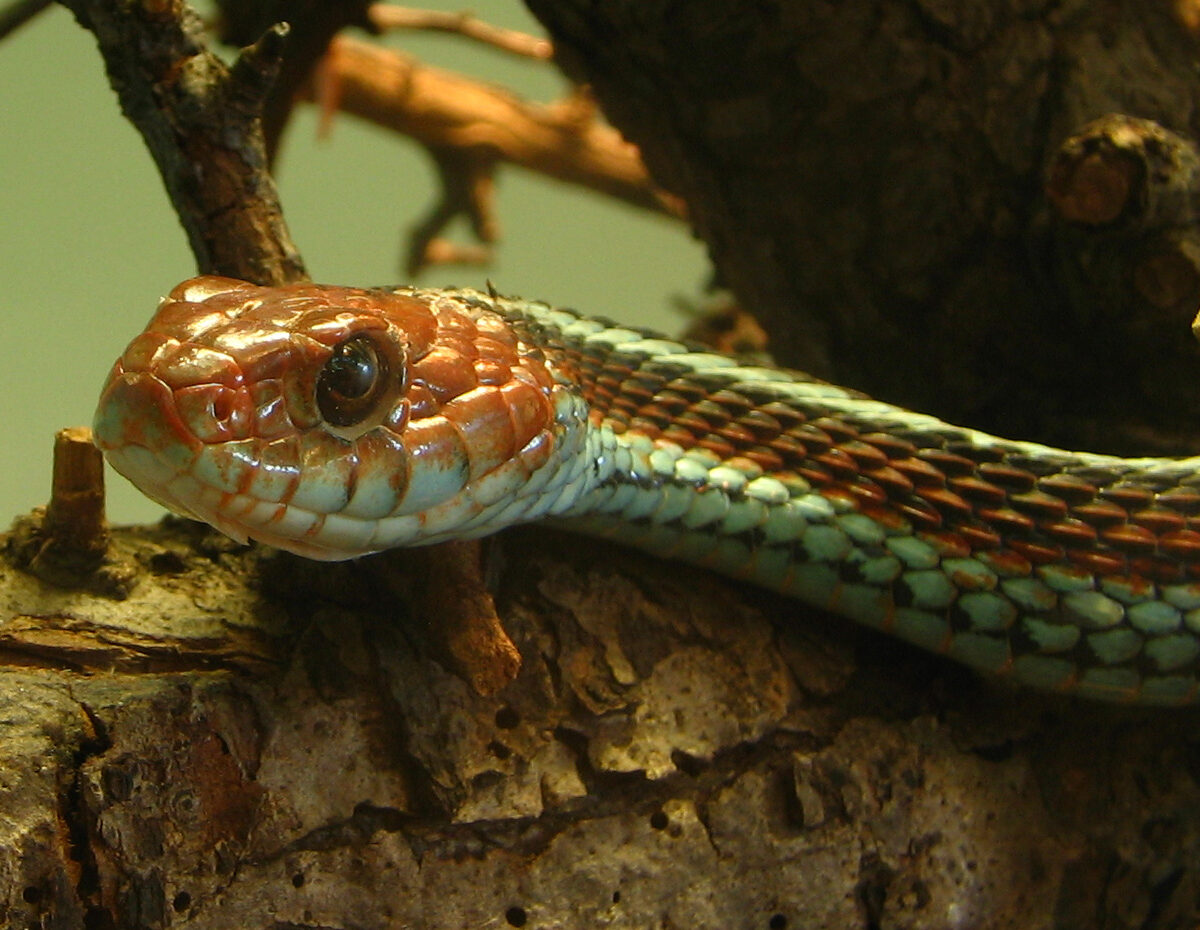
San Francisco Garter Snake (Thamnophis sirtalis tetrataenia) is a strikingly beautiful subspecies of garter snake, characterized by its vibrant coloration, which includes a blue-green body adorned with bright yellow or orange stripes along its sides. This snake is primarily found in the coastal marshes and grasslands of the San Francisco Peninsula, where it exhibits a preference for wetland habitats. Known for its elusive nature, the San Francisco Garter Snake is often seen basking in the sun or swimming in water, showcasing its semi-aquatic lifestyle.
FUN FACTS
- The San Francisco Garter Snake is one of the most colorful snakes in North America, making it a favorite among reptile enthusiasts
- Its striking appearance is not just for show; the bright colors serve as a warning to potential predators about its mild toxicity from the amphibians it consumes.| This snake plays a vital role in its ecosystem by controlling the populations of frogs and fish, which helps maintain the health of wetland environments
- Conservation efforts are crucial for its survival, as it is one of the rarest snakes in the United States
QUICK INFO
Lifespan5-10 years in the wild, up to 15 years in captivit
Average Length0.9-1.2 m
Diet TypeCarnivore
Social StructureSolitary, with individuals typically found alone except during mating season.
Activity PatternDiurnal
Breeding SeasonSpring (April-June)
- Habitat
- This species thrives in marshy areas, grasslands, and near freshwater bodies. It requires a habitat that provides both aquatic and terrestrial environments for hunting and basking.
- Biomes
- Wetlands, Grasslands
- Native Range
- Endemic to the San Francisco Peninsula in California, USA.
- Continent
- North America
- Countries
- United States
- Diet
- The San Francisco Garter Snake primarily feeds on small amphibians, fish, and invertebrates. Its diet is crucial for maintaining the balance of its wetland ecosystem.
- Diet Type
- Carnivore
- Favorite Food
- frogs, fish
- Social Structure
- Solitary, with individuals typically found alone except during mating season.
- Activity Pattern
- Diurnal
- Group Size
- 1
- Territorial
- 0
 VU
VU
 LC
LC
0.9-1.2 m
Length
- Coloration
- Vibrant blue-green body with yellow or orange stripes.
- Sexual Dimorphism
- Males are generally smaller and have longer tails compared to females.
- Lifespan
- 5-10 years in the wild, up to 15 years in captivit
- Offspring per Birth
- 5-20
- Sexual Maturity
- 2-3 years
- Breeding Season
- Spring (April-June)
EN
Endangered
IUCN Red List Status
- Population Status
- The population of San Francisco Garter Snakes is currently low and fragmented due to habitat loss.
- Wild Population Estimate
- 1,000-2,000
- Population Trend
- Decreasing
- Endangered
- 1
- Threats
- Main threats include habitat destruction due to urban development, pollution, and invasive species. These factors have significantly impacted their populations and breeding success.
- Conservation Program
- The San Francisco Garter Snake is protected under the Endangered Species Act, and various conservation efforts are in place to restore its habitat.
- Predators
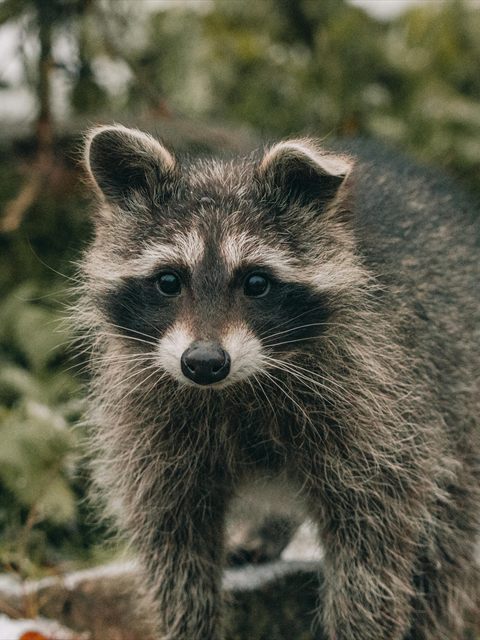
- Birds of prey, raccoons, and larger snakes.
- Defense Mechanisms
- When threatened, the San Francisco Garter Snake may release a foul-smelling musk to deter predators.
- Found in Zoos
- Uncommon