


SAND CAT
DESCRIPTION
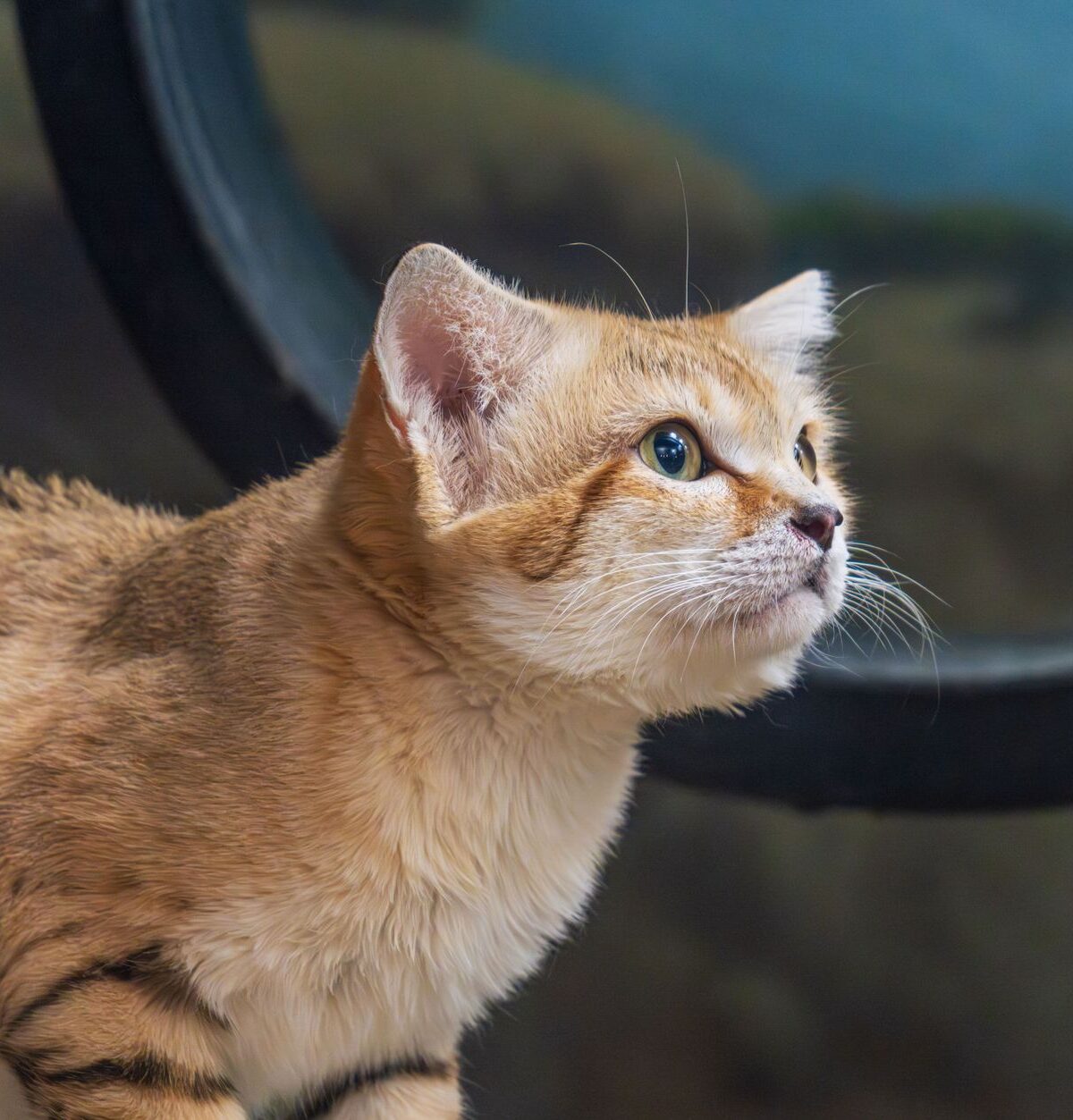
Sand Cat is a small wild cat species adapted to desert environments, primarily found in sandy and rocky areas. It has a distinctive appearance with a pale, sandy coat that provides excellent camouflage against its arid surroundings, and its large ears help dissipate heat and enhance its hearing. Sand Cats are primarily nocturnal hunters, exhibiting solitary behavior and a strong territorial instinct, making them elusive and difficult to observe in the wild.
FUN FACTS
- Sand Cats are unique among felids as they can survive without drinking water, obtaining moisture from their prey instead
- They are also known for their ability to tolerate extreme temperatures, ranging from scorching heat during the day to cold nights in the desert
QUICK INFO
Lifespan10-12 years in the wild, up to 15 years in captivi
Average Weight1.5-3.5 kg
Average Length46-60 cm
Diet TypeCarnivore
Social Structuresolitary, with individuals maintaining their own territories
Activity PatternNocturnal
Breeding SeasonSpring (March-May)
- Habitat
- Sand Cats inhabit arid desert regions, preferring areas with loose sand and sparse vegetation. They are well-adapted to extreme temperatures and can often be found in dunes and rocky outcrops.
- Biomes
- Desert
- Native Range
- Sand Cats are native to the deserts of North Africa, the Arabian Peninsula, and parts of Central Asia.
- Continent
- Africa, Asia
- Countries
- Algeria, Egypt, Libya, Morocco, Saudi Arabia, United Arab Emirates, Iran, Kazakhstan, Turkmenistan
- Diet
- Sand Cats primarily feed on small mammals, birds, and reptiles, utilizing their keen hunting skills to catch prey in their harsh desert habitat. They are known to hunt at night, taking advantage of the cooler temperatures.
- Diet Type
- Carnivore
- Favorite Food
- small mammals, birds, reptiles
- Social Structure
- solitary, with individuals maintaining their own territories
- Activity Pattern
- Nocturnal
- Group Size
- 1
- Territorial
- 1
 LC
LC
 LC
LC
1.5-3.5 kg
Weight
46-60 cm
Length
- Coloration
- pale sandy coat with faint stripes and spots
- Sexual Dimorphism
- males are generally larger than females
- Lifespan
- 10-12 years in the wild, up to 15 years in captivi
- Gestation Period
- 59-63 days
- Offspring per Birth
- 2-5
- Sexual Maturity
- 1-2 years
- Breeding Season
- Spring (March-May)
LC
Least Concern
IUCN Red List Status
- Population Status
- The population of Sand Cats is currently stable, but they face threats from habitat loss and hunting.
- Wild Population Estimate
- unknown
- Population Trend
- Stable
- Endangered
- 0
- Threats
- Main threats to Sand Cats include habitat destruction due to human encroachment and hunting for fur. Additionally, they face competition with domestic cats in some areas.
- Predators
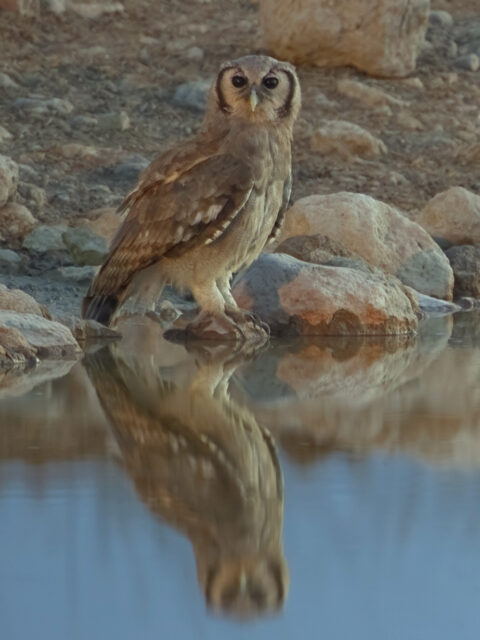
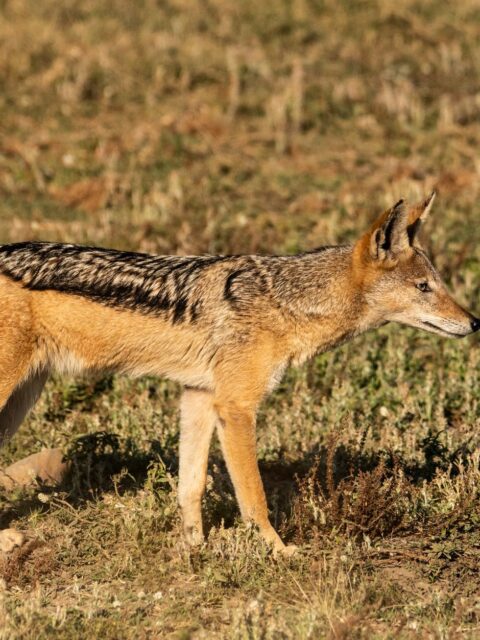
- eagles, larger carnivores such as foxes and jackals
- Defense Mechanisms
- Sand Cats use their excellent camouflage to avoid detection and can also dig quickly to escape threats.
- Found in Zoos
- Uncommon