


SAVANNA BUFFALO
Syncerus caffer
DESCRIPTION
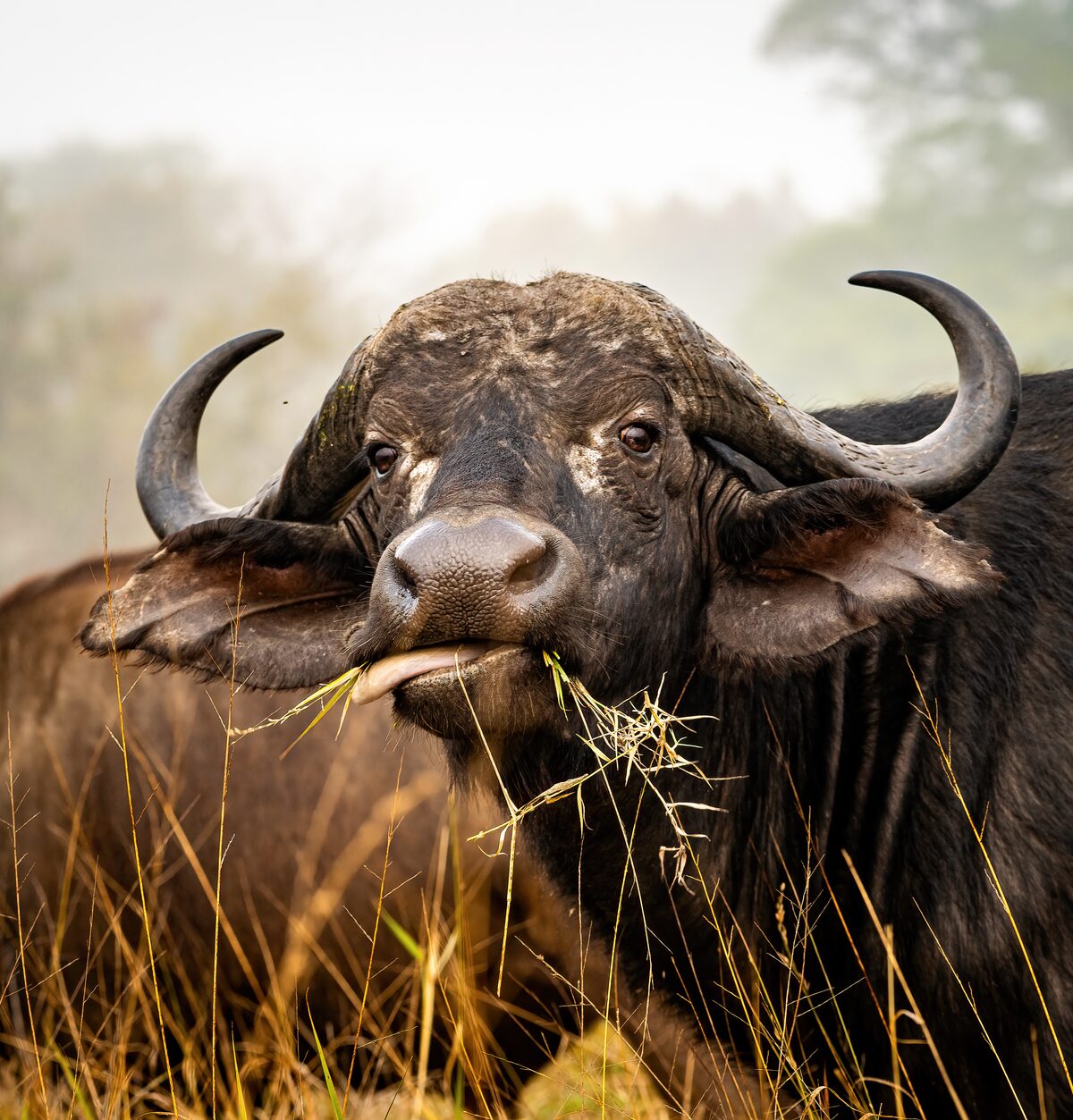
Savanna Buffalo (Syncerus caffer) is commonly known as the African Buffalo or Cape Buffalo. This large, robust bovine is characterized by its thickset body, large horns that curve outward and upward, and a shaggy coat that varies in color from dark brown to black. They are social animals that typically form herds, which can range from a few individuals to several hundred, and they play a crucial role in their ecosystem by grazing on grasses and creating pathways that benefit other wildlife.
FUN FACTS
- Savanna Buffalo are known for their remarkable memory and social intelligence, often recognizing individual herd members and forming strong bonds
- They are also highly adaptable, able to thrive in a variety of habitats, from wetlands to dry savannas, showcasing their resilience in the face of environmental changes
QUICK INFO
Lifespan15-25 years in the wild, up to 30 in captivity
Average Weight500-900 kg
Average Length2.5-3.4 m
Diet TypeHerbivore
Social Structuregroup — they typically live in herds that provide safety in numbers.
Activity PatternDiurnal
Breeding SeasonYear-round, with peaks depending on region
- Habitat
- Savanna Buffalo inhabit open grasslands and savannas, often near water sources. They prefer areas with abundant vegetation for grazing and shade for resting.
- Biomes
- Savanna, Grassland
- Native Range
- Savanna Buffalo are native to sub-Saharan Africa, found in a variety of habitats across the continent.
- Continent
- Africa
- Countries
- Kenya, Tanzania, South Africa, Botswana, Zimbabwe, Namibia
- Diet
- Savanna Buffalo primarily feeds on grasses, leaves, and other vegetation. They are known to graze extensively, which helps maintain the savanna ecosystem.
- Diet Type
- Herbivore
- Favorite Food
- grasses
- Social Structure
- group — they typically live in herds that provide safety in numbers.
- Activity Pattern
- Diurnal
- Group Size
- 10-100
- Territorial
- 0
 LC
LC
 LC
LC
 VU
VU
500-900 kg
Weight
2.5-3.4 m
Length
1.5 m at shoulder
Height (Shoulder)
- Coloration
- dark brown to black with a shaggy coat
- Sexual Dimorphism
- males are larger and have more pronounced horns than females
- Lifespan
- 15-25 years in the wild, up to 30 in captivity
- Gestation Period
- 330 days
- Offspring per Birth
- 1
- Sexual Maturity
- 3-4 years
- Breeding Season
- Year-round, with peaks depending on region
LC
Least Concern
IUCN Red List Status
- Population Status
- The population of Savanna Buffalo is currently stable in many areas, although some local populations may be threatened.
- Wild Population Estimate
- 900,000-1,000,000
- Population Trend
- Stable
- Endangered
- 0
- Threats
- Main threats include habitat loss due to agriculture and human encroachment, as well as poaching for meat and trophies. Disease outbreaks, particularly from livestock, also pose significant risks to their populations.
- Conservation Program
- Various national parks and reserves across Africa provide protection for Savanna Buffalo populations.
- Predators
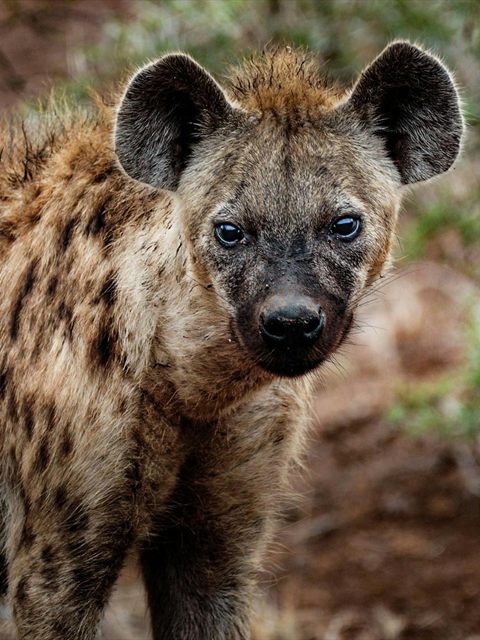
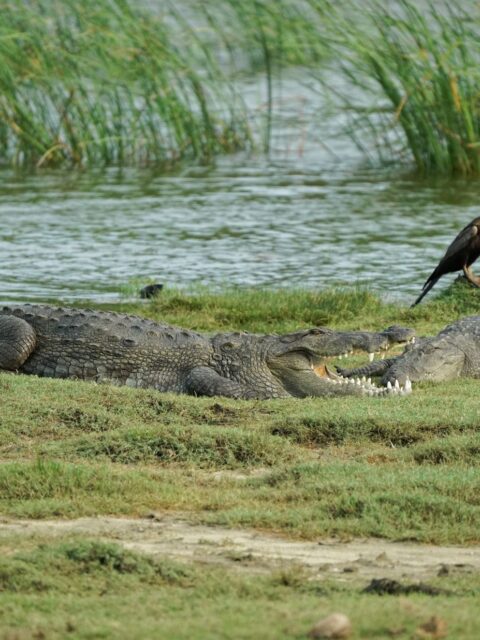
- Lions, hyenas, crocodiles, and African wild dogs are known predators of Savanna Buffalo, particularly targeting young or weak individuals.
- Defense Mechanisms
- Savanna Buffalo have strong herd instincts and will band together to defend against predators. They can also be aggressive when threatened, using their large horns to fend off attackers.
- Compatible Animals
- Zebras, wildebeests, various antelope species
- Found in Zoos
- Common