


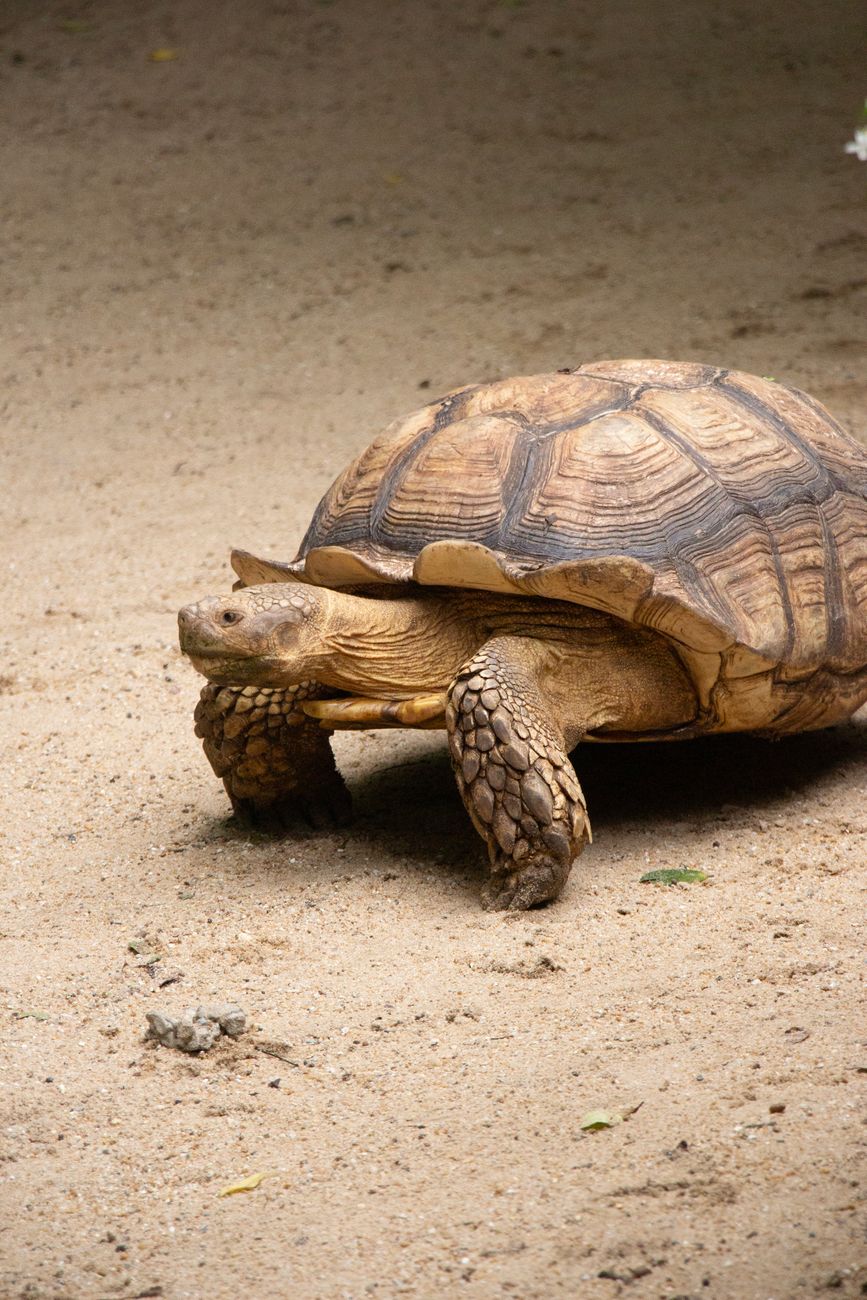
SAVANNAH TORTOISE
DESCRIPTION
Also called the African Spurred Tortoise, Savannah Tortoise is one of the largest tortoise species, characterized by its high-domed shell and prominent spurs on its hind legs. These tortoises exhibit a beige to yellowish coloration, which helps them blend into their arid habitats. They are primarily herbivorous and are known for their burrowing behavior, which provides them with shelter from extreme temperatures and predators.
FUN FACTS
- Savannah Tortoises can dig extensive burrows that can be several feet deep, providing them with shelter from the heat and predators
- They are also known for their impressive size, with some individuals weighing over 100 kg and reaching lengths of up to 80 cm
QUICK INFO
Lifespan50-70 years in the wild, up to 100 years in captiv
Average Weight80-100 kg
Average Length60-80 cm
Diet TypeHerbivore
Social Structuresolitary, they prefer to live alone except during mating season
Activity PatternDiurnal
Breeding SeasonSpring (March-May)
- Habitat
- Savannah Tortoises inhabit dry, arid regions, particularly savannas and grasslands. They often dig burrows to escape the heat and find moisture.
- Biomes
- Savanna, Grassland
- Native Range
- They are native to the southern edge of the Sahara Desert, primarily found in countries like Sudan and Mali.
- Continent
- Africa
- Countries
- Sudan, Mali, Niger, Chad
- Diet
- Savannah Tortoises primarily consume grasses, herbs, and other vegetation. They are known to graze extensively in their natural habitats.
- Diet Type
- Herbivore
- Favorite Food
- grasses, leafy greens
- Social Structure
- solitary, they prefer to live alone except during mating season
- Activity Pattern
- Diurnal
- Group Size
- 1-2
- Territorial
- 0
 LC
LC
 LC
LC
80-100 kg
Weight
60-80 cm
Length
- Coloration
- beige to yellowish with darker patterns
- Sexual Dimorphism
- males tend to have a slightly larger and more concave plastron than females
- Lifespan
- 50-70 years in the wild, up to 100 years in captiv
- Offspring per Birth
- 15-30
- Sexual Maturity
- 10-15 years
- Breeding Season
- Spring (March-May)
LC
Least Concern
IUCN Red List Status
- Population Status
- The population is currently stable, but habitat loss poses a threat.
- Wild Population Estimate
- unknown
- Population Trend
- Stable
- Endangered
- 0
- Threats
- Main threats include habitat destruction due to agriculture and urbanization, as well as poaching for the pet trade. Climate change also poses a risk to their natural habitats.
- Predators
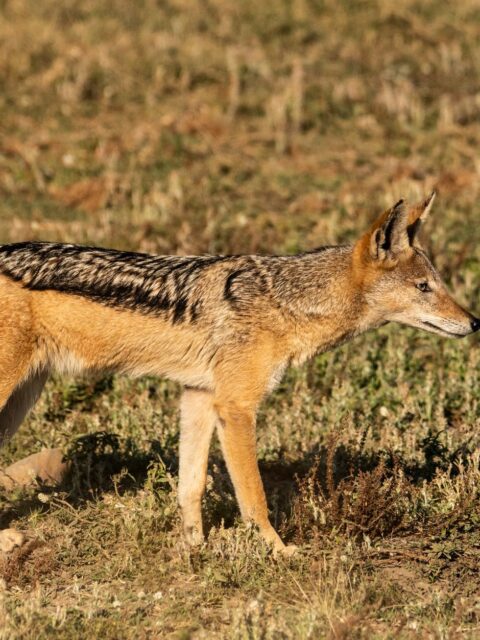
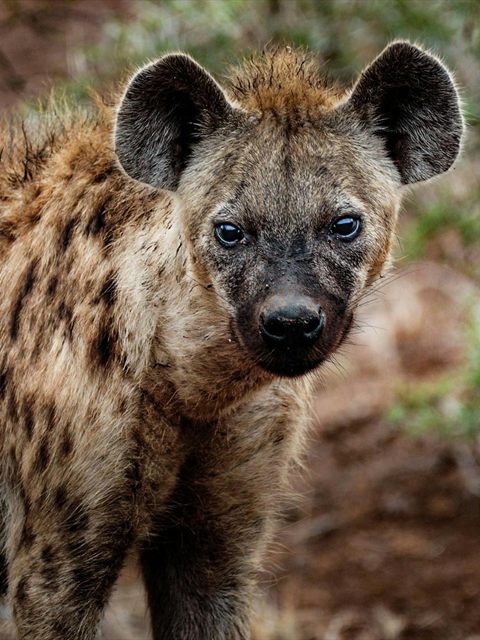
- Jackals, hyenas, and large birds of prey can pose threats to juvenile tortoises. Adult tortoises have few natural predators due to their size and hard shells.
- Defense Mechanisms
- They can retract into their shells for protection and have a tough, armored shell that deters many predators.
- Found in Zoos
- Common