



SCIMITAR ORYX
Oryx dammah
DESCRIPTION
The Scimitar Oryx (Oryx dammah) is a large antelope known for its long, curved horns and striking appearance. Once native to North Africa, it is now extinct in the wild but has been successfully reintroduced in some areas.
FUN FACTS
- The Scimitar Oryx can survive without drinking water for long periods | They are known for their impressive endurance and can travel great distances | Their horns can reach lengths of up to 1.2 meters
QUICK INFO
Lifespan15-20 years in the wild, up to 25 in captivity
Average Weight70-100 kg
Average Length1.5-2.0 m
Diet TypeHerbivore
Social Structuregroup — they often live in herds of 10-30 individuals.
Activity PatternDiurnal
Breeding SeasonYear-round, with peaks depending on environmental conditions.
- Habitat
- They inhabit arid and semi-arid regions, particularly desert and steppe environments. These areas provide the sparse vegetation they rely on for food.
- Biomes
- Desert, Grassland
- Native Range
- Historically found in North Africa, particularly in the Sahara Desert region.
- Continent
- Africa
- Countries
- Algeria, Tunisia, Libya, Mali
- Diet
- Scimitar Oryx are herbivores that primarily graze on grasses and browse on shrubs. They are well adapted to arid environments and can survive with minimal water.
- Diet Type
- Herbivore
- Favorite Food
- grasses, shrubs
- Social Structure
- group — they often live in herds of 10-30 individuals.
- Activity Pattern
- Diurnal
- Group Size
- 10-30
- Territorial
- 0
 LC
LC
 LC
LC
70-100 kg
Weight
1.5-2.0 m
Length
1.0 m at shoulder
Height (Shoulder)
- Coloration
- They have a light tan coat with white markings on the face and legs.
- Sexual Dimorphism
- Males are generally larger and have longer horns than females.
- Lifespan
- 15-20 years in the wild, up to 25 in captivity
- Gestation Period
- 240 days
- Offspring per Birth
- 1
- Sexual Maturity
- 2-3 years
- Breeding Season
- Year-round, with peaks depending on environmental conditions.
EX
Extinct
IUCN Red List Status
- Population Status
- The species is extinct in the wild but has a stable population in captivity.
- Wild Population Estimate
- 0
- Population Trend
- Unknown
- Endangered
- 1
- Threats
- Habitat loss and hunting were the main threats leading to their extinction in the wild.
- Conservation Program
- Reintroduction programs in protected areas in Tunisia and Morocco.
- Predators
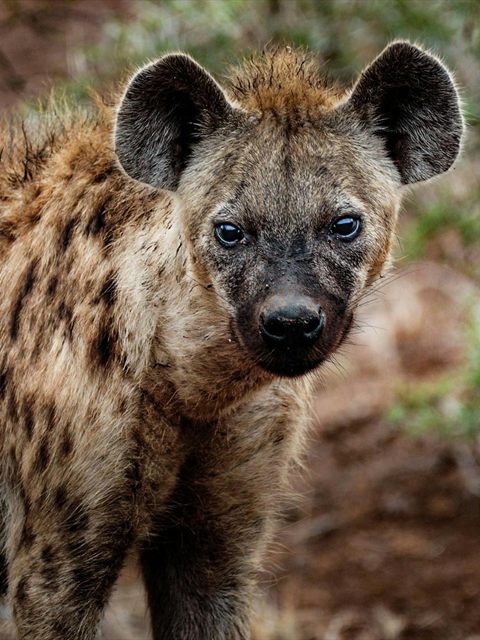
- Lions, hyenas, and humans.
- Defense Mechanisms
- They can run at high speeds and use their sharp horns to defend against predators.
- Compatible Animals
- None
- Found in Zoos
- Uncommon