


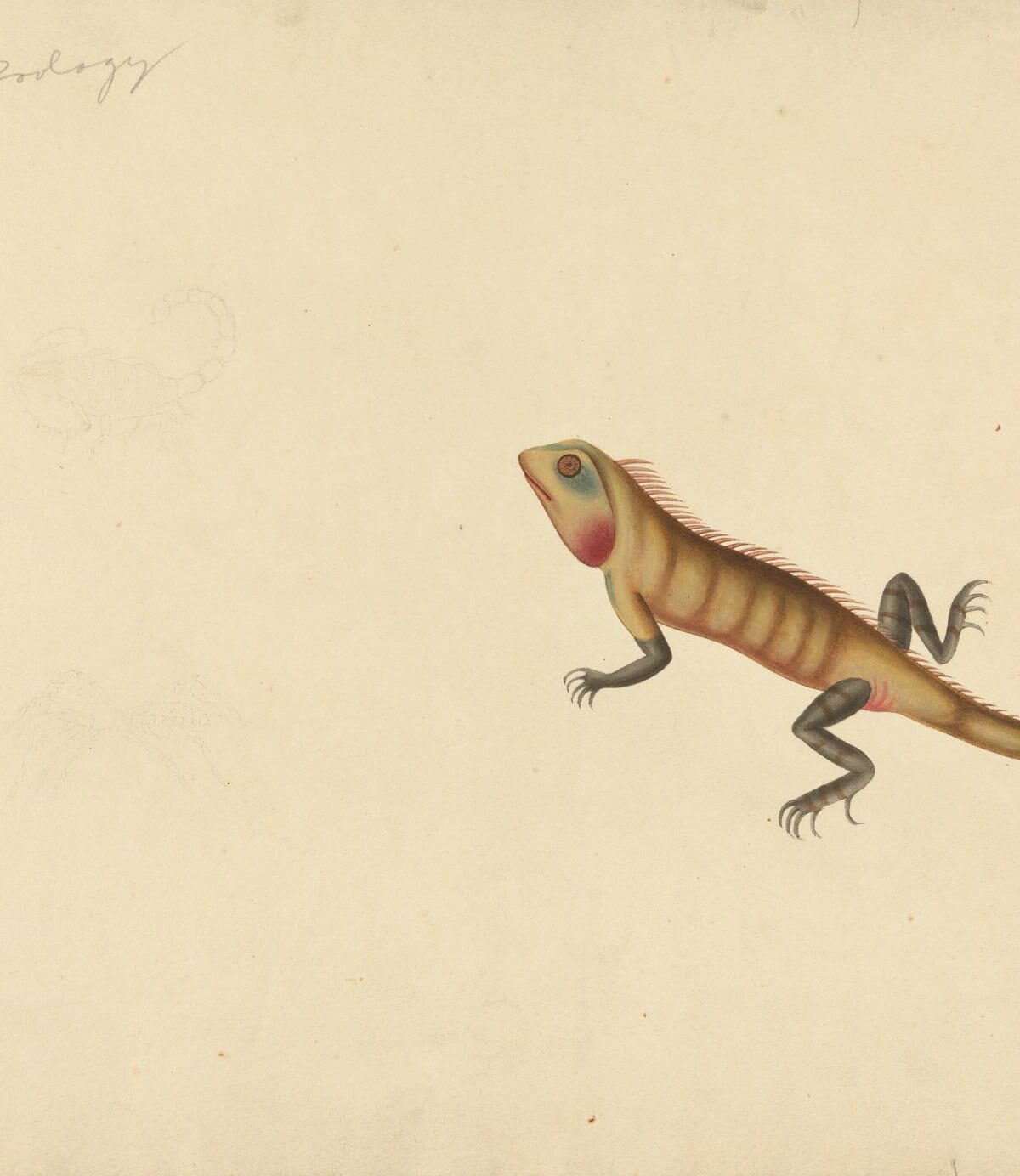
SCORPION LIZARD
DESCRIPTION
The Scorpion Lizard, also known as the Sceloporus, is a small to medium-sized lizard characterized by its rough, spiny scales and a distinctive coloration that often includes shades of brown, gray, and green. These lizards are known for their unique behavior of flattening their bodies against rocks or the ground to blend in with their surroundings, making them adept at avoiding predators. Ecologically, they play a vital role in their habitats as both predators of insects and prey for larger animals.
FUN FACTS
- Scorpion Lizards are known for their unique ability to change their body posture to blend in with their surroundings, making them masters of camouflage
- They can often be seen basking in the sun on rocks, where they regulate their body temperature while remaining vigilant for predators
- | These lizards have a fascinating mating ritual where males perform push-ups to attract females, showcasing their strength and fitness
- This display not only helps in attracting mates but also serves as a warning to rival males about their territorial claims
QUICK INFO
Lifespan5-10 years in the wild
Average Length15-25 cm
Diet TypeInsectivore
Social Structuresolitary, with males often defending territories against other males
Activity PatternDiurnal
Breeding SeasonSpring (April-June)
- Habitat
- Scorpion Lizards are typically found in arid and semi-arid environments, often inhabiting rocky outcrops, scrublands, and grasslands. They prefer areas with plenty of sun and places to hide from predators.
- Biomes
- Desert, Grassland
- Native Range
- Scorpion Lizards are native to North America, particularly in the southwestern United States and parts of Mexico.
- Continent
- North America
- Countries
- United States, Mexico
- Diet
- Scorpion Lizards primarily feed on a variety of insects and other small invertebrates. They are opportunistic feeders, often consuming whatever is readily available in their environment.
- Diet Type
- Insectivore
- Favorite Food
- ants, beetles, and grasshoppers
- Social Structure
- solitary, with males often defending territories against other males
- Activity Pattern
- Diurnal
- Group Size
- 1-3
- Territorial
- 1
 VU
VU
 LC
LC
15-25 cm
Length
- Coloration
- Typically brown or gray with darker markings, providing excellent camouflage against rocky backgrounds.
- Sexual Dimorphism
- Males are often more brightly colored than females, especially during the breeding season.
- Lifespan
- 5-10 years in the wild
- Offspring per Birth
- 3-10
- Sexual Maturity
- 1-2 years
- Breeding Season
- Spring (April-June)
LC
Least Concern
IUCN Red List Status
- Population Status
- The population is currently stable, but habitat loss poses a potential threat.
- Wild Population Estimate
- unknown
- Population Trend
- Stable
- Endangered
- 0
- Threats
- Main threats include habitat destruction due to urban development and agriculture. Climate change may also impact their habitats and food sources.
- Predators
- birds of prey, snakes, and larger lizards
- Defense Mechanisms
- They rely on their camouflage to avoid detection and may also exhibit aggressive displays to deter predators.
- Found in Zoos
- Uncommon