


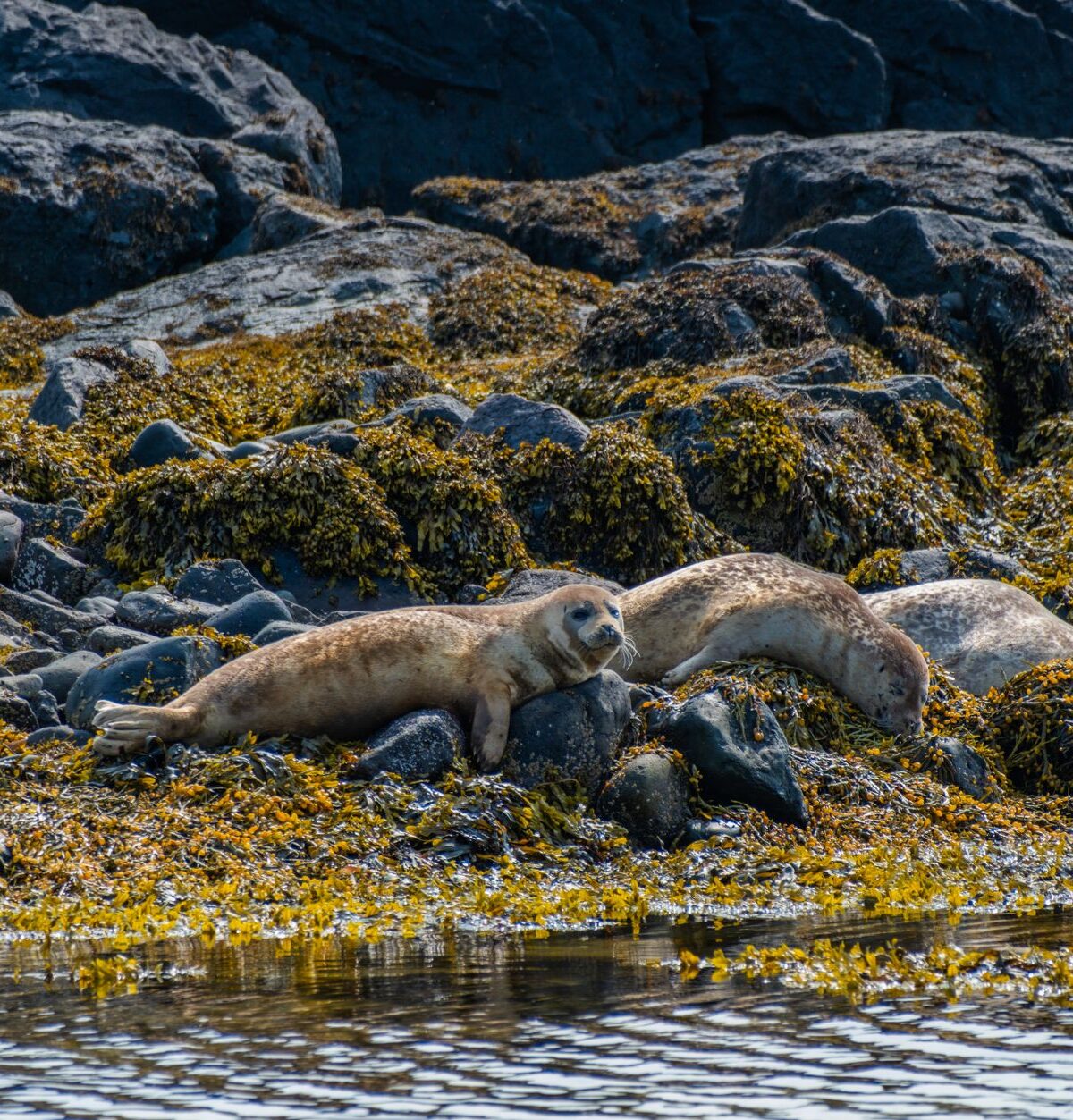
SEAL
DESCRIPTION
Seal is commonly known as true seals or earless seals. These marine mammals are characterized by their streamlined bodies and lack of external ear flaps, which distinguishes them from other pinnipeds. Seals are highly adapted to life in the water, with a layer of blubber for insulation and powerful flippers for swimming, making them agile hunters in their aquatic environments.
FUN FACTS
- Seals can hold their breath for up to 30 minutes while diving for food, thanks to their ability to slow their heart rate and redirect blood flow to vital organs
- | Some species of seals, like the elephant seal, can weigh over 4,000 pounds and are known for their impressive size and vocalizations, which can be heard from miles away
QUICK INFO
Lifespan20-30 years in the wild
Average Weight100-300 kg
Average Length1.5-3.5 m
Diet TypeCarnivore
Social Structuregroup — seals often form colonies or groups, especially during breeding and resting.
Activity PatternDiurnal
Breeding SeasonSpring (April-June)
- Habitat
- Seals inhabit a variety of marine environments, including coastal areas, open oceans, and ice-covered regions. They often haul out on beaches, rocks, or ice floes to rest and breed.
- Biomes
- Marine, Coastal
- Native Range
- Seals are found in oceans and seas around the world, from polar regions to temperate and tropical waters.
- Continent
- North America, Europe, Asia, Antarctica
- Countries
- United States, Canada, Norway, Russia, Australia
- Diet
- Seals primarily feed on fish, squid, and crustaceans, depending on the species and their habitat. They are skilled hunters, using their whiskers to detect prey in dark or murky waters.
- Diet Type
- Carnivore
- Favorite Food
- fish, squid
- Social Structure
- group — seals often form colonies or groups, especially during breeding and resting.
- Activity Pattern
- Diurnal
- Group Size
- 10-100
- Territorial
- 0
 VU
VU
 LC
LC
 VU
VU
 VU
VU
100-300 kg
Weight
1.5-3.5 m
Length
- Coloration
- varies by species, typically gray, brown, or spotted
- Sexual Dimorphism
- males are generally larger than females
- Lifespan
- 20-30 years in the wild
- Gestation Period
- 11 months
- Offspring per Birth
- 1
- Sexual Maturity
- 3-6 years
- Breeding Season
- Spring (April-June)
LC
Least Concern
IUCN Red List Status
- Population Status
- Many seal populations are stable, but some species are threatened due to habitat loss and hunting.
- Wild Population Estimate
- 1,000,000+
- Population Trend
- Stable
- Endangered
- 0
- Threats
- Main threats to seals include climate change, which affects their habitat and food sources, as well as hunting and entanglement in fishing gear. Pollution and habitat degradation also pose significant risks.
- Predators
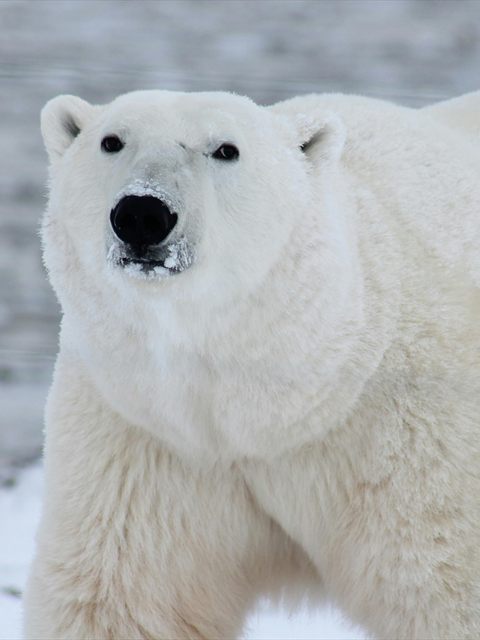
- Orcas, sharks, polar bears, and large birds of prey.
- Defense Mechanisms
- Seals can dive deep to escape predators and use their speed and agility in the water to evade threats.
- Compatible Animals
- none
- Found in Zoos
- Common