


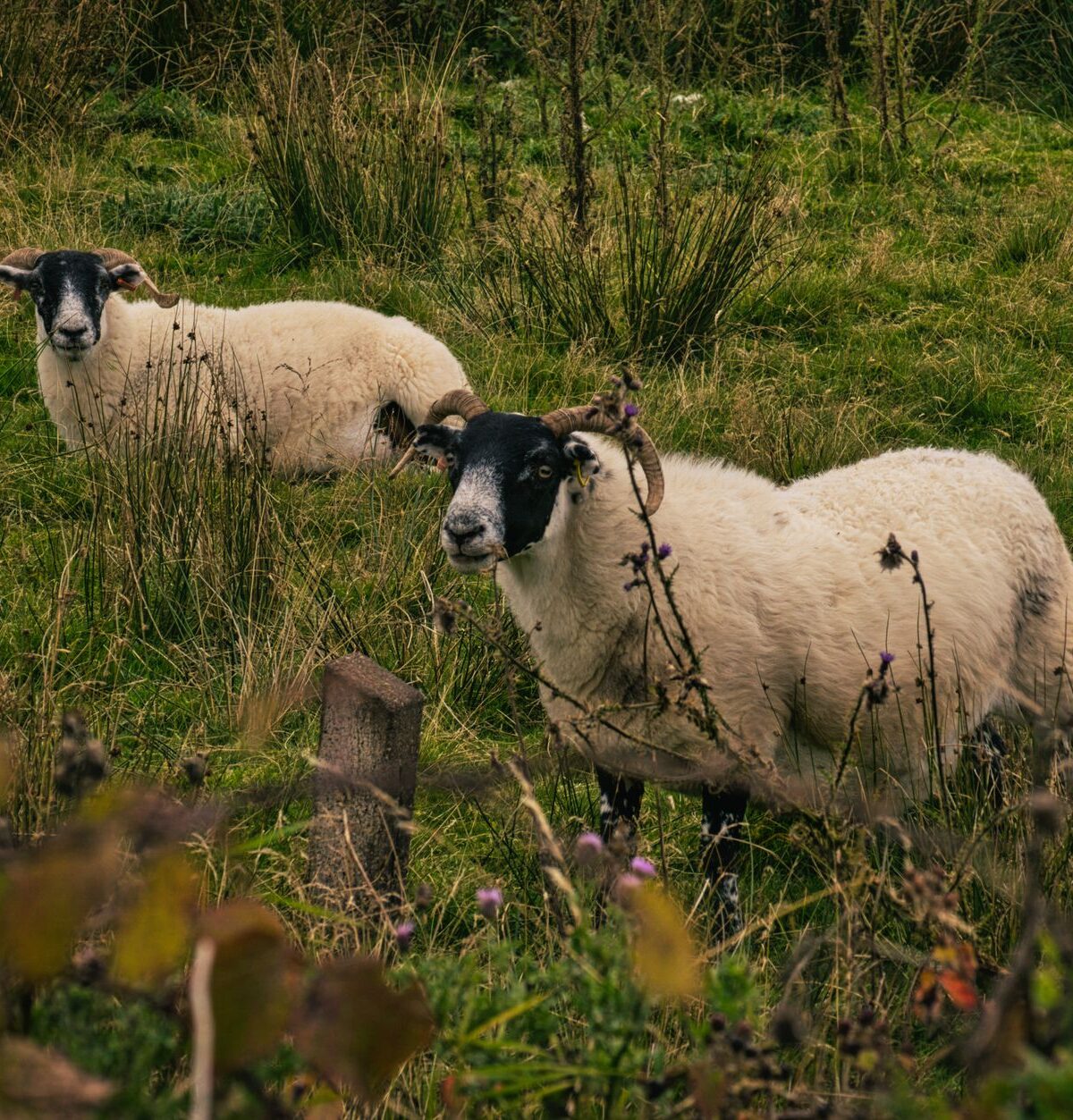
SHEEP
Ovis aries
DESCRIPTION
Also called Ovine, Sheep are domesticated mammals known for their woolly coats and gentle demeanor. They exhibit a range of colors and sizes, with some breeds having distinctive horns. Social animals by nature, they often form flocks and display strong herd instincts, which help protect them from predators in their natural habitats.
FUN FACTS
- Sheep have an excellent memory and can recognize up to 50 individual faces, both human and sheep, for years
- They are also known for their unique ability to form strong social bonds, often preferring to stay close to familiar companions in their flock
QUICK INFO
Lifespan10-12 years in the wild, up to 20 years in captivi
Average Weight45-160 kg
Average Length1.2-1.8 m
Diet TypeHerbivore
Social Structuregroup — they typically live in flocks that can range from a few individuals to several hundred.
Activity PatternDiurnal
Breeding SeasonAutumn (September-November)
- Habitat
- Sheep are adaptable animals that can thrive in various environments, including grasslands, mountains, and even arid regions. They are often found in domesticated settings, where they are raised for wool, meat, and milk.
- Biomes
- Grassland, Savanna, Temperate Forest
- Native Range
- Originally native to Europe, Asia, and North Africa, sheep have been domesticated and are now found worldwide.
- Continent
- Asia, Europe, Africa, Australia, North America, South America
- Countries
- United States, Australia, China, New Zealand, United Kingdom
- Diet
- Sheep are herbivores that primarily graze on grass, clover, and other vegetation. They have a unique digestive system that allows them to efficiently process fibrous plant material.
- Diet Type
- Herbivore
- Favorite Food
- grass, clover
- Social Structure
- group — they typically live in flocks that can range from a few individuals to several hundred.
- Activity Pattern
- Diurnal
- Group Size
- 5-100
- Territorial
- 0
 LC
LC
LC
LC
 LC
LC
LC
LC
45-160 kg
Weight
1.2-1.8 m
Length
0.9-1.2 m at shoulder
Height (Shoulder)
- Coloration
- varies widely, commonly white, black, or brown
- Sexual Dimorphism
- males are generally larger and may have horns, while females are smaller and hornless
- Lifespan
- 10-12 years in the wild, up to 20 years in captivi
- Gestation Period
- 150 days
- Offspring per Birth
- 1-3
- Sexual Maturity
- 5-12 months
- Breeding Season
- Autumn (September-November)
LC
Least Concern
IUCN Red List Status
- Population Status
- Sheep populations are generally stable due to their domestication and agricultural importance.
- Wild Population Estimate
- unknown
- Population Trend
- Stable
- Endangered
- 0
- Threats
- Main threats include habitat loss, predation by wild animals, and diseases. Domesticated sheep can also face challenges from farming practices and climate change.
- Predators
- wolves, coyotes, mountain lions, bears, domestic dogs
- Defense Mechanisms
- Sheep rely on their flocking behavior for protection, often fleeing together from threats. They may also use their strong sense of hearing to detect danger.
- Compatible Animals
- goats, llamas, alpacas
- Found in Zoos
- Common