



SHOEBILL
Balaeniceps rex
DESCRIPTION
The Shoebill is a large, distinctive bird known for its enormous shoe-shaped bill. It is primarily found in the swamps and wetlands of central Africa.
FUN FACTS
- Shoebills can remain motionless for hours while hunting | Their bill can measure up to 24 inches long | They are known for their unique, prehistoric appearance
QUICK INFO
Lifespan35-50 years in captivity, unknown in the wild
Average Weight4-7 kg
Average Length1.2-1.5 m
Diet TypePiscivore
Social Structuresolitary, occasionally seen in pairs during breeding season
Activity PatternDiurnal
Breeding SeasonWet season (varies by region)
- Habitat
- Shoebills inhabit freshwater swamps, marshes, and wetlands where they can find abundant fish. They prefer areas with dense vegetation for nesting and hunting.
- Biomes
- Wetlands, Swamps
- Native Range
- Central and East Africa, particularly in countries like Uganda, Zambia, and the Democratic Republic of the Congo.
- Continent
- Africa
- Countries
- Uganda, Zambia, Democratic Republic of the Congo, South Sudan
- Diet
- Shoebills primarily feed on fish, particularly lungfish, but they also consume amphibians and small reptiles. Their hunting technique involves standing still and waiting for prey to come close before striking.
- Diet Type
- Piscivore
- Favorite Food
- lungfish
- Social Structure
- solitary, occasionally seen in pairs during breeding season
- Activity Pattern
- Diurnal
- Group Size
- 1-2
- Territorial
- 1
 VU
VU
 VU
VU
4-7 kg
Weight
1.2-1.5 m
Length
- Coloration
- grayish-blue plumage with a large, pale bill
- Sexual Dimorphism
- males are generally larger than females
- Lifespan
- 35-50 years in captivity, unknown in the wild
- Offspring per Birth
- 1-3
- Sexual Maturity
- 3-4 years
- Breeding Season
- Wet season (varies by region)
VU
Vulnerable
IUCN Red List Status
- Population Status
- The population is currently declining due to habitat loss and hunting.
- Wild Population Estimate
- 5,000-8,000
- Population Trend
- Decreasing
- Endangered
- 1
- Threats
- Main threats include habitat destruction due to agriculture and human encroachment, as well as hunting for food and the pet trade.
- Predators
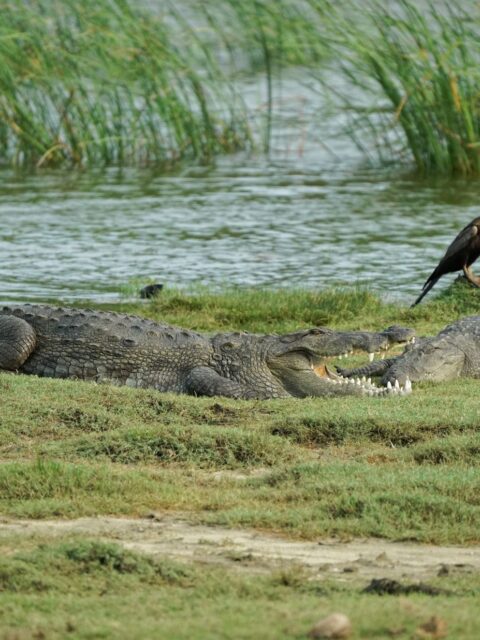
- large birds of prey, crocodiles
- Defense Mechanisms
- Shoebills rely on their size and camouflage to avoid predators.
- Found in Zoos
- Uncommon