


SHORE CRAB
Carcinus maenas
DESCRIPTION
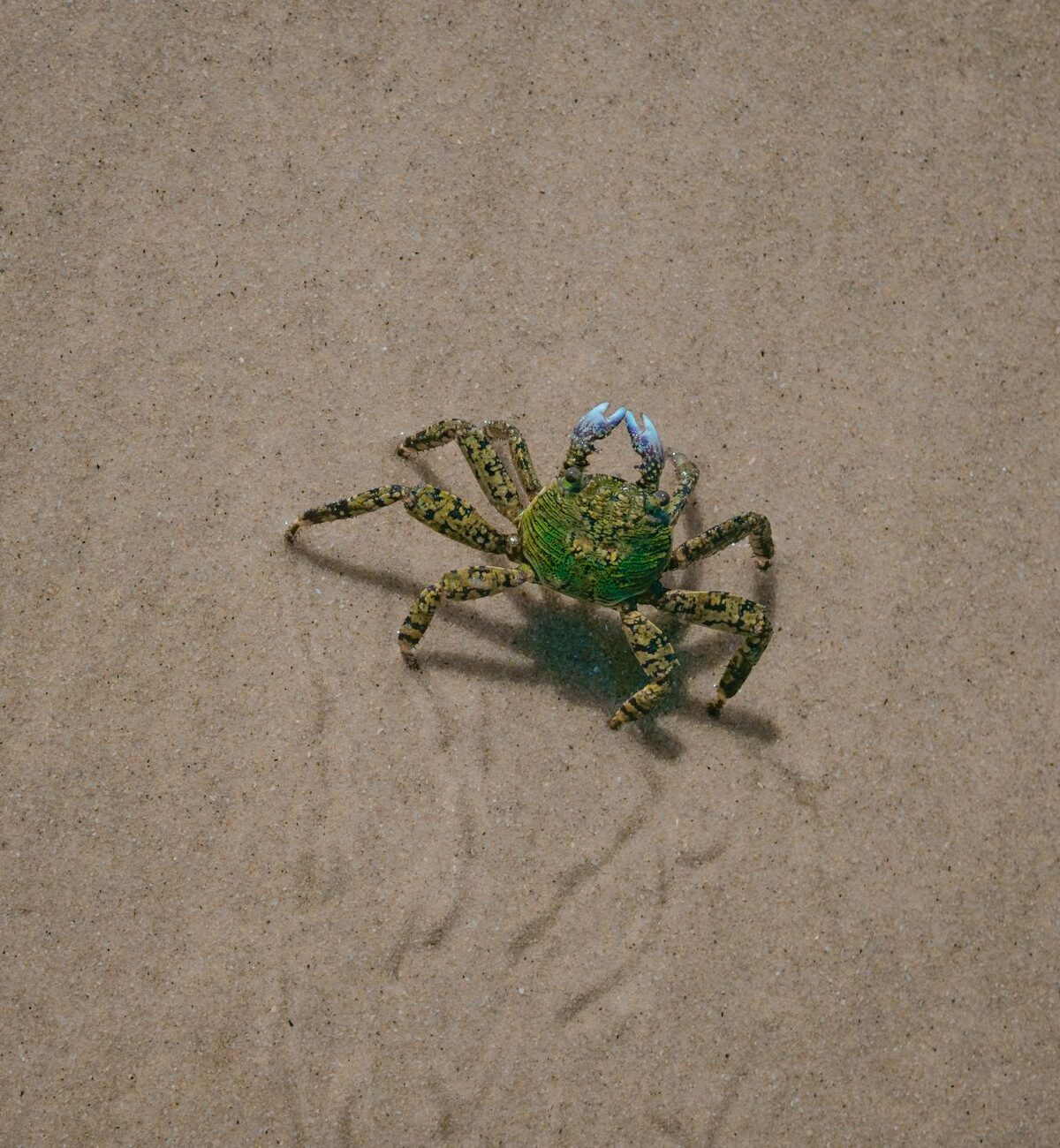
Shore Crab (Carcinus maenas) is commonly known as the Green Crab due to its olive green coloration, which can vary to include shades of brown and yellow. This species is characterized by its robust body, long claws, and a carapace that can reach up to 9 cm in width. Shore Crabs are highly adaptable and can be found in a variety of coastal habitats, exhibiting behaviors such as burrowing and hiding among rocks and seaweed to avoid predators.
FUN FACTS
- Shore Crabs are known for their remarkable ability to adapt to different environments, which has allowed them to thrive in various coastal regions around the world
- They can tolerate a wide range of salinity levels, making them resilient to changes in their habitat
- | These crabs are also capable of rapid movement, using their strong legs to scuttle quickly across the sand or rocks
- Their speed and agility help them evade predators and catch prey, making them effective hunters in their ecosystem
QUICK INFO
Lifespan3-4 years in the wild
Average Weight0.1-0.5 kg
Average Length5-9 cm
Diet TypeOmnivore
Social Structuresolitary, though they may be found in groups during feeding or mating.
Activity PatternDiurnal
Breeding SeasonSpring to early summer
- Habitat
- Shore Crabs inhabit intertidal zones, estuaries, and rocky shorelines, often found in areas with abundant vegetation. They thrive in both sandy and muddy substrates, which provide ample hiding spots.
- Biomes
- Coastal, Marine
- Native Range
- Native to the northeastern Atlantic, from Norway to Morocco, and has been introduced to various other regions including the Pacific coast of North America.
- Continent
- Europe, North America
- Countries
- United Kingdom, France, United States, Canada
- Diet
- Shore Crabs are opportunistic feeders, consuming a wide range of organic matter including mollusks, small fish, and detritus. They play a significant role in the ecosystem by helping to control the populations of their prey.
- Diet Type
- Omnivore
- Favorite Food
- mollusks, small fish, detritus
- Social Structure
- solitary, though they may be found in groups during feeding or mating.
- Activity Pattern
- Diurnal
- Group Size
- 1-10
- Territorial
- 1

 LC
LC
0.1-0.5 kg
Weight
5-9 cm
Length
- Coloration
- olive green with possible brown and yellow hues
- Sexual Dimorphism
- males typically have larger claws than females
- Lifespan
- 3-4 years in the wild
- Offspring per Birth
- up to 200,000 eggs
- Sexual Maturity
- 1-2 years
- Breeding Season
- Spring to early summer
LC
Least Concern
IUCN Red List Status
- Population Status
- The population of Shore Crabs is generally stable, but local densities can fluctuate based on environmental conditions.
- Wild Population Estimate
- unknown
- Population Trend
- Stable
- Endangered
- 0
- Threats
- Main threats include habitat loss due to coastal development and pollution. Invasive species can also impact their populations by competing for resources.
- Predators
- seabirds, fish, otters, and larger crabs
- Defense Mechanisms
- Shore Crabs can quickly retreat into crevices or burrow into the sand to escape predators. They also use their claws defensively to deter threats.
- Found in Zoos
- Uncommon