


SHORT-EARED OWL
Asio flammeus
DESCRIPTION
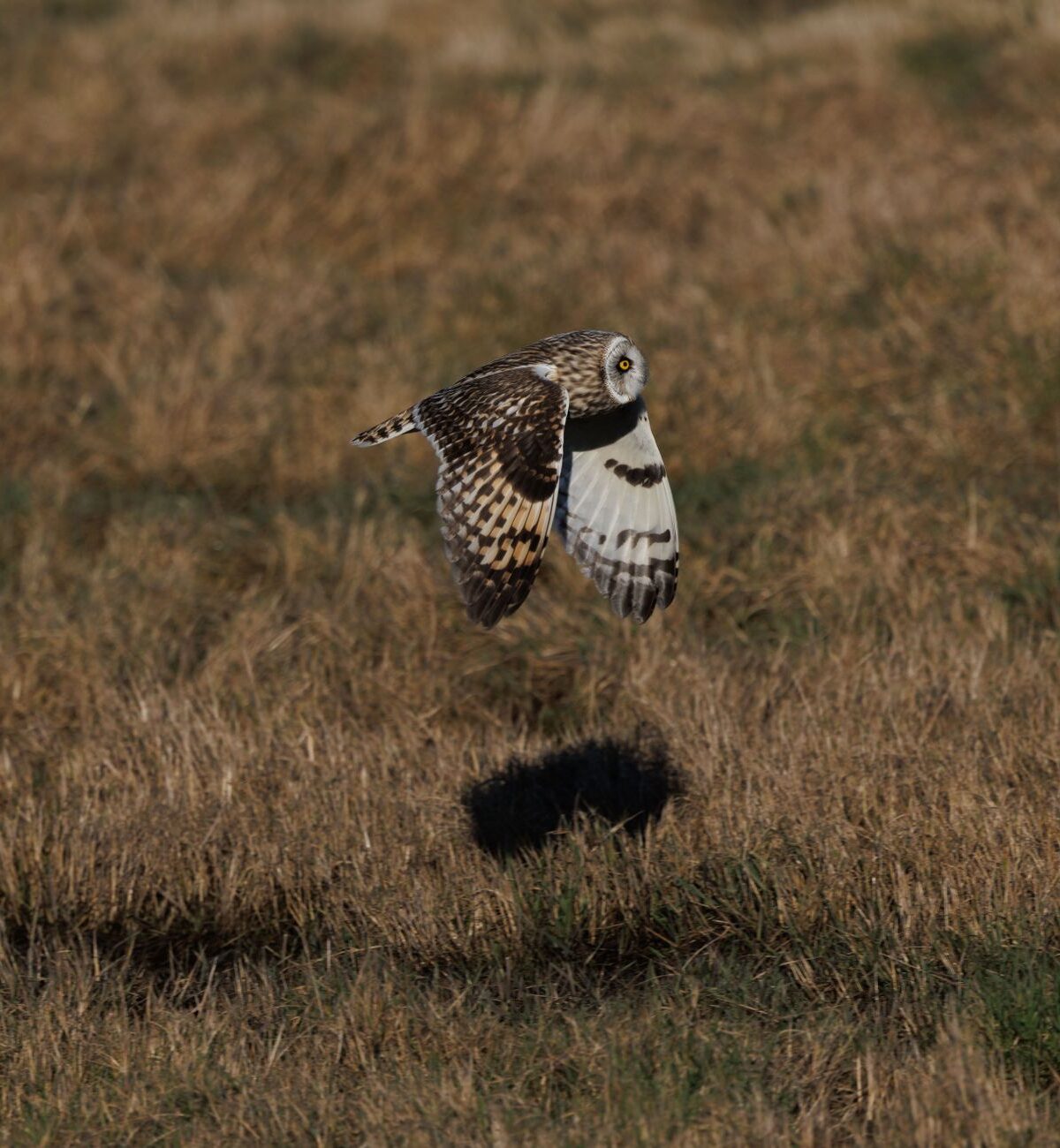
Short-Eared Owl (Asio flammeus) is also known as the Grass Owl due to its preference for open habitats such as grasslands and marshes. This medium-sized owl has a distinctive round face, yellow eyes, and a mottled brown and white plumage that provides excellent camouflage against its surroundings. Known for its unique hunting behavior, the Short-Eared Owl often hunts during the day, gliding low over the ground in search of small mammals, particularly voles.
FUN FACTS
- Short-Eared Owls are known for their distinctive flight pattern, which includes a series of low, gliding movements interspersed with short bursts of flapping
- This unique style allows them to cover large areas while hunting for prey
- | Unlike many other owl species, Short-Eared Owls are often active during the day, especially in areas where they are less disturbed
- This behavior makes them one of the most visible owl species in their habitats
QUICK INFO
Lifespan3-5 years in the wild, up to 10 years in captivity
Average Weight250-400 g
Average Length32-40 cm
Diet TypeCarnivore
Social StructureSolitary, occasionally seen in pairs or small groups during the breeding season.
Activity PatternCrepuscular
Breeding SeasonSpring (March-May)
- Habitat
- This species prefers open habitats such as grasslands, fields, and marshes, where it can easily spot its prey. It is often found in areas with low vegetation that allows for unobstructed hunting.
- Biomes
- Grassland, Wetland
- Native Range
- The Short-Eared Owl has a widespread distribution across North America, Europe, Asia, and parts of South America.
- Continent
- North America, Europe, Asia, South America
- Countries
- United States, Canada, United Kingdom, France, Russia, Argentina
- Diet
- The Short-Eared Owl primarily feeds on small mammals, especially rodents, but will also consume birds and insects when necessary.
- Diet Type
- Carnivore
- Favorite Food
- voles
- Social Structure
- Solitary, occasionally seen in pairs or small groups during the breeding season.
- Activity Pattern
- Crepuscular
- Group Size
- 1-5
- Territorial
- 1
 LC
LC
 LC
LC
 LC
LC
250-400 g
Weight
32-40 cm
Length
- Coloration
- Mottled brown and white with a distinctive facial disc and yellow eyes.
- Sexual Dimorphism
- Females are generally larger than males.
- Lifespan
- 3-5 years in the wild, up to 10 years in captivity
- Offspring per Birth
- 3-7
- Sexual Maturity
- 1 year
- Breeding Season
- Spring (March-May)
LC
Least Concern
IUCN Red List Status
- Population Status
- The population of Short-Eared Owls is currently considered stable in many areas, although some local populations may be declining due to habitat loss.
- Wild Population Estimate
- 100,000-1,000,000
- Population Trend
- Stable
- Endangered
- 0
- Threats
- Main threats include habitat destruction due to agricultural expansion and urban development, as well as changes in land use that reduce prey availability.
- Predators
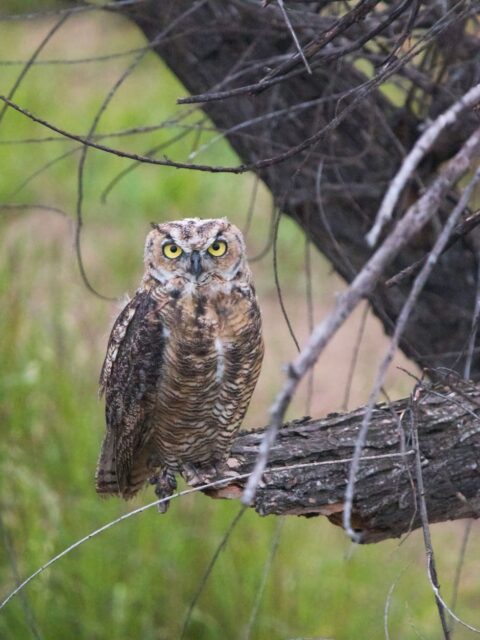
- Great Horned Owl, Red-tailed Hawk, larger raptors, and mammals such as foxes and domestic cats.
- Defense Mechanisms
- Short-Eared Owls rely on their camouflage and silent flight to avoid detection by predators.
- Found in Zoos
- Uncommon