


SHORT PYTHON
DESCRIPTION
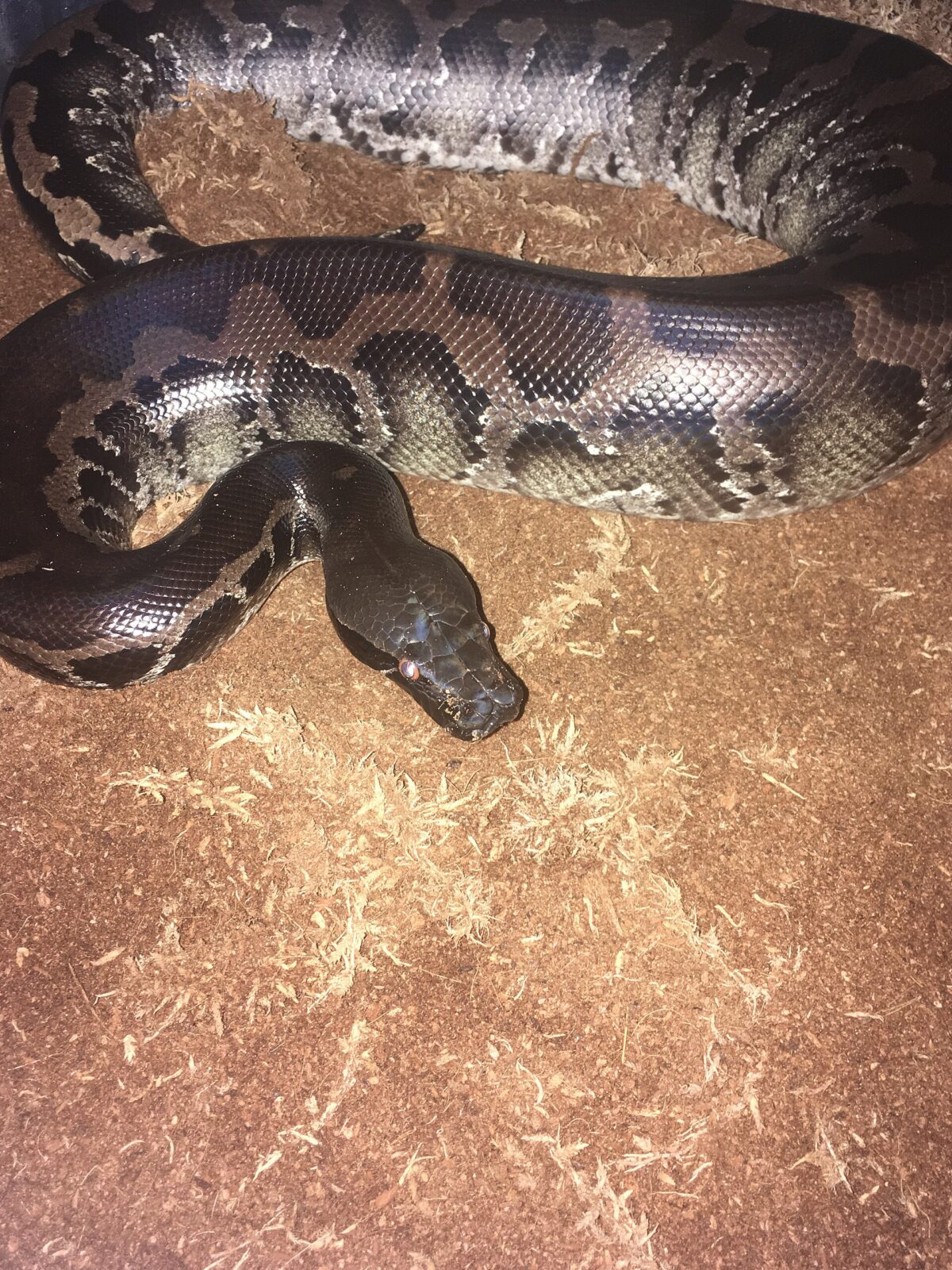
Short Python is a non-venomous constrictor snake known for its relatively small size compared to other pythons. It typically exhibits a robust body with a distinctive pattern of dark and light scales, which aids in camouflage within its natural habitat. Behaviorally, Short Pythons are primarily nocturnal, often hunting at night and spending the day hidden in foliage or burrows.
FUN FACTS
- Short Pythons are excellent climbers and can often be found in trees, which is unusual for many snake species
- They have a unique method of hunting, using their heat-sensing pits to detect warm-blooded prey even in complete darkness.|Despite their smaller size, Short Pythons can consume prey that is significantly larger than their own diameter, showcasing their impressive ability to stretch their jaws
QUICK INFO
Lifespan10-15 years in the wild, up to 20 years in captivi
Average Weight2-5 kg
Average Length1.2-1.8 m
Diet TypeCarnivore
Social Structuresolitary
Activity PatternNocturnal
Breeding SeasonSpring (March-May)
- Habitat
- Short Pythons inhabit a variety of environments, including forests, grasslands, and scrublands. They prefer areas with ample cover for hunting and hiding from predators.
- Biomes
- Tropical Rainforest, Savanna, Grassland
- Native Range
- Short Pythons are native to parts of Southeast Asia, particularly found in regions such as Indonesia and the Philippines.
- Continent
- Asia
- Countries
- Indonesia, Philippines
- Diet
- Short Pythons primarily feed on small mammals and birds, using their constriction method to subdue prey. They are opportunistic feeders and may consume prey that is larger than their head.
- Diet Type
- Carnivore
- Favorite Food
- small mammals, birds
- Social Structure
- solitary
- Activity Pattern
- Nocturnal
- Group Size
- 1
- Territorial
- 0
 VU
VU
2-5 kg
Weight
1.2-1.8 m
Length
- Coloration
- Typically features a pattern of dark brown or black scales with lighter brown or yellowish markings.
- Sexual Dimorphism
- Males are generally smaller than females.
- Lifespan
- 10-15 years in the wild, up to 20 years in captivi
- Offspring per Birth
- 5-15
- Sexual Maturity
- 2-3 years
- Breeding Season
- Spring (March-May)
LC
Least Concern
IUCN Red List Status
- Population Status
- Population status is currently stable, but habitat loss poses a potential threat.
- Wild Population Estimate
- unknown
- Population Trend
- Stable
- Endangered
- 0
- Threats
- Main threats include habitat destruction due to deforestation and human encroachment. Additionally, they may be targeted for the pet trade.
- Predators
- Birds of prey, larger snakes, and mammals such as wild boars may prey on Short Pythons.
- Defense Mechanisms
- Short Pythons rely on camouflage to avoid detection and may also use constriction to defend themselves if threatened.
- Found in Zoos
- Uncommon