


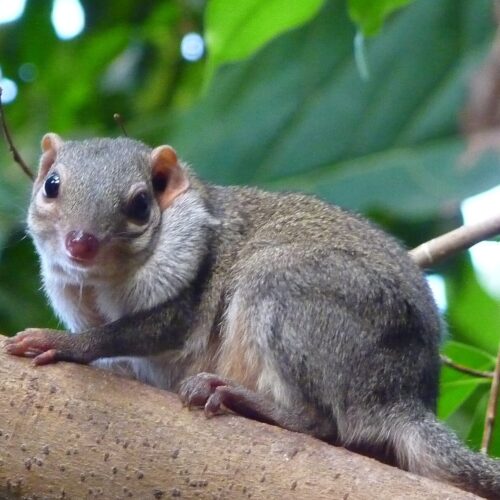
SHREW
DESCRIPTION
Shrews are small, mouse-like mammals characterized by their elongated snouts and small eyes. They have dense fur that can vary in color from brown to gray, and their size typically ranges from 3 to 6 inches in length. Shrews are known for their high metabolism and are often active foraging for food, which they need to sustain their energy levels.
FUN FACTS
- Shrews have a unique ability to produce venom, which they use to subdue their prey
- This venom can paralyze small animals, allowing shrews to store them alive for later consumption
- | Despite their small size, shrews are known to be fierce hunters and can take down prey much larger than themselves, showcasing their aggressive nature and high energy levels
QUICK INFO
Lifespan2-3 years in the wild, up to 5 years in captivity
Average Weight10-100 grams
Average Length7-15 cm
Diet TypeInsectivore
Social Structuresolitary, typically live alone except during mating season
Activity PatternNocturnal
Breeding SeasonSpring to early summer
- Habitat
- Shrews inhabit a variety of environments, including forests, grasslands, and wetlands. They prefer areas with ample ground cover, such as leaf litter or dense vegetation, which provides shelter and hunting grounds.
- Biomes
- Temperate Forest, Grassland, Wetland
- Native Range
- Shrews are found across North America, Europe, and parts of Asia.
- Continent
- North America, Europe, Asia
- Countries
- United States, Canada, United Kingdom, Germany, Russia
- Diet
- Shrews primarily feed on insects, worms, and other small invertebrates. They are voracious eaters and can consume food that is equivalent to their body weight in a single day.
- Diet Type
- Insectivore
- Favorite Food
- insects, earthworms
- Social Structure
- solitary, typically live alone except during mating season
- Activity Pattern
- Nocturnal
- Group Size
- 1
- Territorial
- 1
 CR
CR
 LC
LC
 LC
LC
 LC
LC
10-100 grams
Weight
7-15 cm
Length
- Coloration
- fur is typically brown or gray, with a lighter underbelly
- Sexual Dimorphism
- males are generally larger than females
- Lifespan
- 2-3 years in the wild, up to 5 years in captivity
- Gestation Period
- 21-30 days
- Offspring per Birth
- 2-10
- Sexual Maturity
- 1 year
- Breeding Season
- Spring to early summer
LC
Least Concern
IUCN Red List Status
- Population Status
- Shrew populations are generally stable, but some species may face habitat loss.
- Wild Population Estimate
- unknown
- Population Trend
- Stable
- Endangered
- 0
- Threats
- Habitat destruction and pesticide use are the main threats to shrew populations. These factors can reduce their food sources and suitable living environments.
- Predators
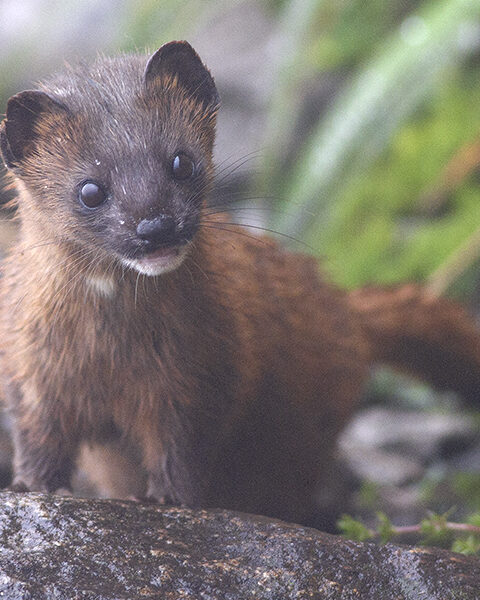
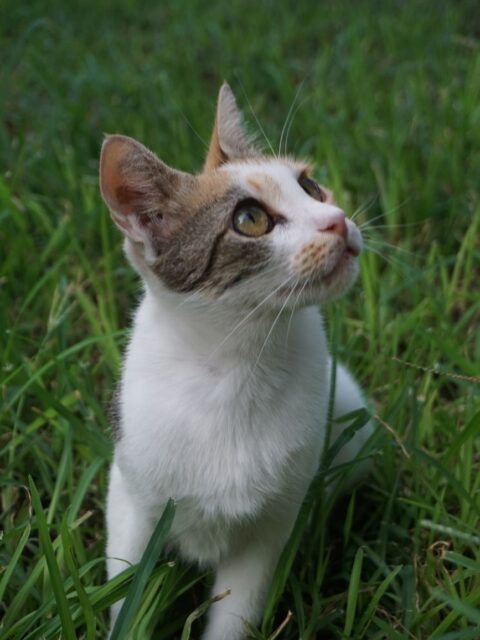
- owls, hawks, snakes, weasels, domestic cats
- Defense Mechanisms
- Shrews can emit a strong odor to deter predators and are also quick and agile, making them difficult to catch.
- Found in Zoos
- Rare