


SIBERIAN CRANE
Leucogeranus leucogeranus
DESCRIPTION
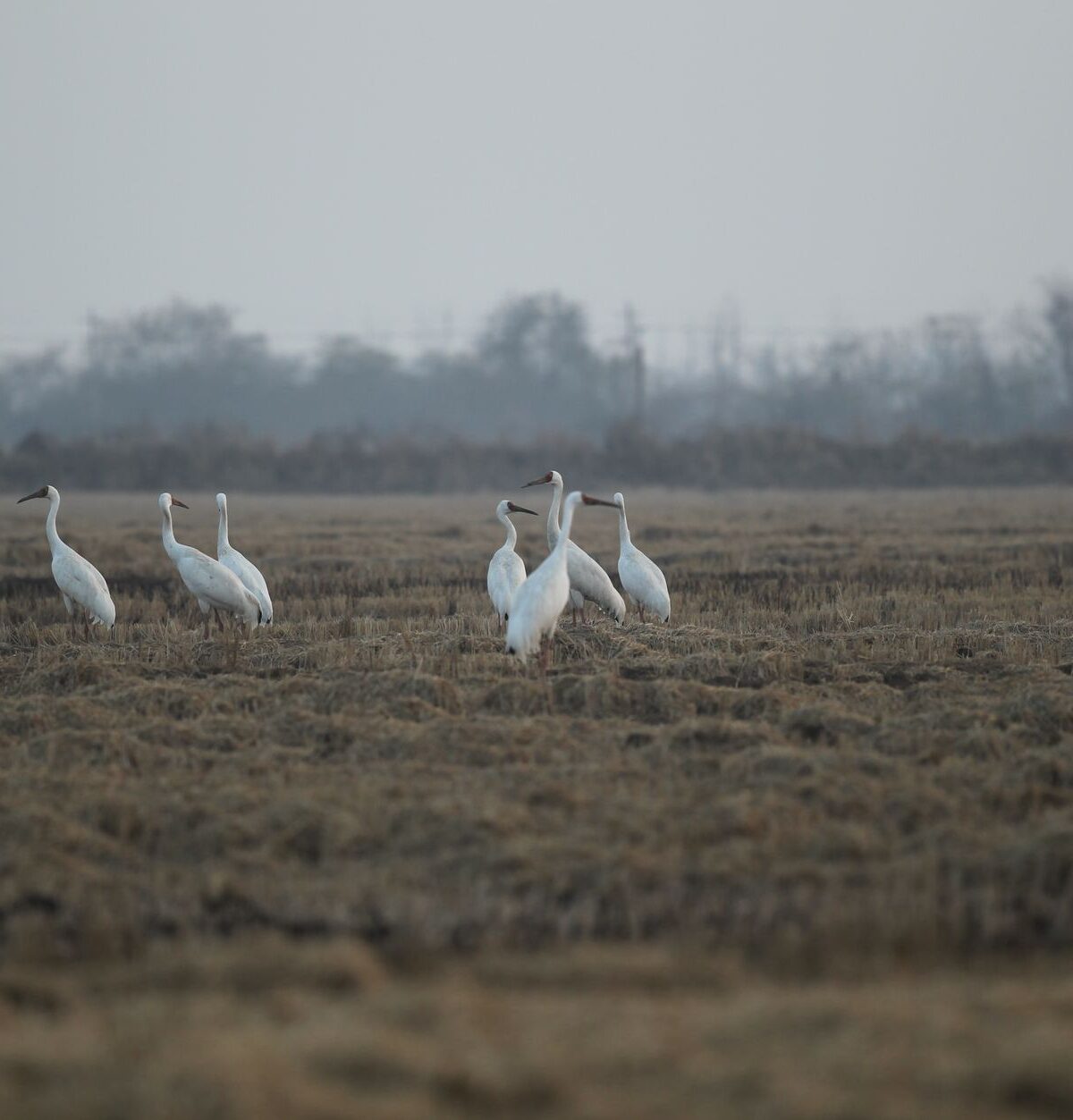
Siberian Crane (Leucogeranus leucogeranus) is a large, elegant bird known for its striking white plumage and long legs. It has a distinctive black crown and a red patch on its face, which adds to its unique appearance. This crane is known for its migratory behavior, traveling long distances between breeding and wintering grounds, and it typically inhabits wetlands and grasslands during these periods.
FUN FACTS
- Siberian Cranes are known for their impressive migratory journeys, traveling thousands of kilometers from their breeding grounds in Siberia to wintering areas in China and India
- During migration, they often fly in large, V-shaped formations, which helps them conserve energy
- | These cranes are also famous for their elaborate courtship dances, which involve synchronized movements and vocalizations that can be quite a spectacle
- Their mating rituals are not only a display of fitness but also strengthen the bond between partners
QUICK INFO
Lifespan20-30 years in the wild
Average Weight4-6 kg
Average Length1.2-1.4 m
Diet TypeHerbivore
Social Structurepair, often seen in small groups during migration
Activity PatternDiurnal
Breeding SeasonSpring (April-June)
- Habitat
- Siberian Cranes prefer wetland habitats, including marshes, shallow lakes, and river deltas, where they can find ample food and nesting sites. They also utilize grasslands and agricultural fields during migration.
- Biomes
- Wetlands, Grasslands
- Native Range
- The Siberian Crane breeds in the northern regions of Siberia and migrates to wintering grounds in China and India.
- Continent
- Asia
- Countries
- Russia, China, India, Mongolia
- Diet
- Siberian Cranes primarily feed on plant material, including seeds, tubers, and roots, as well as some invertebrates. They forage in shallow water and mudflats, using their long bills to probe for food.
- Diet Type
- Herbivore
- Favorite Food
- seeds, tubers, roots
- Social Structure
- pair, often seen in small groups during migration
- Activity Pattern
- Diurnal
- Group Size
- 2-10
- Territorial
- 1
 LC
LC
 LC
LC
4-6 kg
Weight
1.2-1.4 m
Length
1.2 m at shoulder
Height (Shoulder)
- Coloration
- primarily white with black crown and red facial patch
- Sexual Dimorphism
- males and females are similar in appearance
- Lifespan
- 20-30 years in the wild
- Offspring per Birth
- 1-2
- Sexual Maturity
- 3-4 years
- Breeding Season
- Spring (April-June)
CR
Critically Endangered
IUCN Red List Status
- Population Status
- The Siberian Crane population is currently declining due to habitat loss and other threats.
- Wild Population Estimate
- 3,000-4,000
- Population Trend
- Decreasing
- Endangered
- 1
- Threats
- Main threats to the Siberian Crane include habitat destruction due to agricultural expansion, pollution, and climate change. Additionally, hunting and disturbance during migration pose significant risks to their population.
- Conservation Program
- Various international conservation efforts are in place, including habitat protection and restoration initiatives.
- Predators
- Wolves, foxes, and large birds of prey can pose threats to Siberian Crane chicks and eggs.
- Defense Mechanisms
- Siberian Cranes rely on their ability to fly and their social structure to protect themselves from predators.
- Found in Zoos
- Uncommon