


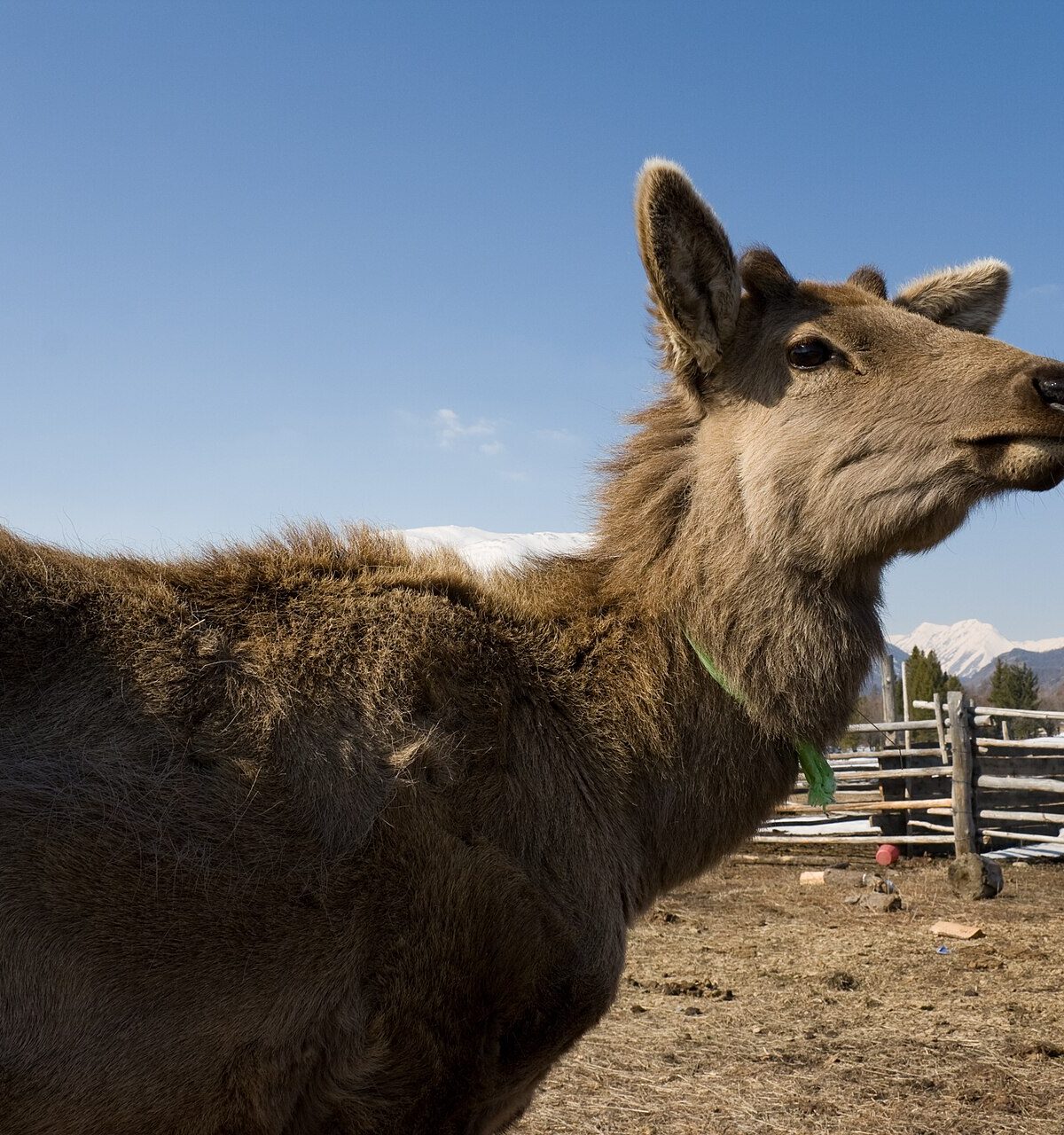
SIBERIAN RED DEER
Cervus canadensis sibiricus
DESCRIPTION
Siberian red deer (Cervus canadensis sibiricus) is commonly known as the Siberian elk, a subspecies of the elk found primarily in Siberia. This majestic deer is characterized by its large size, with males typically sporting impressive antlers that can reach up to 1.2 meters in length. They are social animals, often found in herds, and play a crucial role in their ecosystem by grazing on vegetation, which helps maintain the health of their habitats.
FUN FACTS
- Siberian red deer are known for their impressive antlers, which can grow up to 1.2 meters long and are shed annually
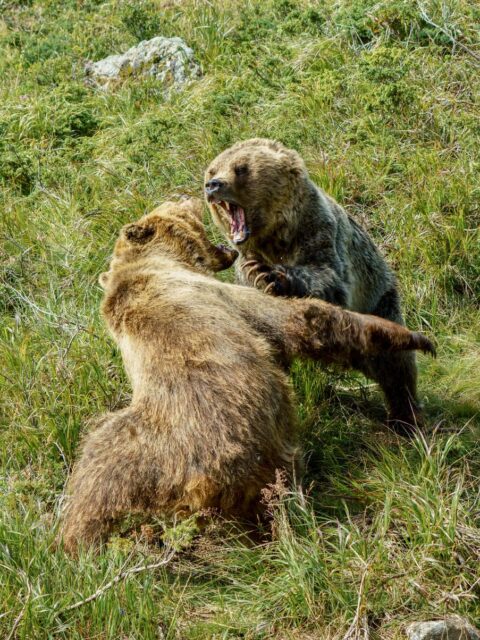
- During the rutting season, males engage in vocal displays and physical confrontations to establish dominance and attract females.| These deer have a unique adaptation to their cold environment, with a thick layer of fur that insulates them against harsh winter temperatures
- They also have a specialized digestive system that allows them to efficiently process tough plant materials
QUICK INFO
Lifespan10-15 years in the wild, up to 20 years in captivi
Average Weight150-300 kg
Average Length2-3 m
Diet TypeHerbivore
Social StructureThey are typically found in groups, especially females and their young, while males may be more solitary outside of the breeding season.
Activity PatternDiurnal
Breeding SeasonAutumn (September-November)
- Habitat
- These deer inhabit a variety of forested and open areas, including taiga and temperate forests. They prefer regions with abundant vegetation and access to water sources.
- Biomes
- Taiga, Temperate Forest
- Native Range
- Siberia, particularly in the Russian Far East and parts of Mongolia.
- Continent
- Asia
- Countries
- Russia, Mongolia
- Diet
- Siberian red deer are herbivores, primarily feeding on grasses, leaves, and shrubs. They are known to adapt their diet based on seasonal availability of food sources.
- Diet Type
- Herbivore
- Favorite Food
- grasses, leaves, shrubs
- Social Structure
- They are typically found in groups, especially females and their young, while males may be more solitary outside of the breeding season.
- Activity Pattern
- Diurnal
- Group Size
- 5-30
- Territorial
- 1
 LC
LC
 LC
LC
150-300 kg
Weight
2-3 m
Length
1.2-1.5 m at shoulder
Height (Shoulder)
- Coloration
- Reddish-brown coat with lighter underparts, becoming darker in winter.
- Sexual Dimorphism
- Males are larger and have antlers, while females are smaller and antlerless.
- Lifespan
- 10-15 years in the wild, up to 20 years in captivi
- Gestation Period
- 230 days
- Offspring per Birth
- 1
- Sexual Maturity
- 1.5-2 years
- Breeding Season
- Autumn (September-November)
LC
Least Concern
IUCN Red List Status
- Population Status
- The population of Siberian red deer is currently stable, but habitat loss and hunting pose potential threats.
- Wild Population Estimate
- 50,000-100,000
- Population Trend
- Stable
- Endangered
- 0
- Threats
- Main threats include habitat destruction due to logging and agriculture, as well as hunting pressures. Climate change may also impact their habitat and food availability.
- Predators
- Wolves, bears, and humans are the primary predators of Siberian red deer.
- Defense Mechanisms
- They rely on their size and speed to escape predators, and males may use their antlers to defend against threats.
- Compatible Animals
- None
- Found in Zoos
- Uncommon