


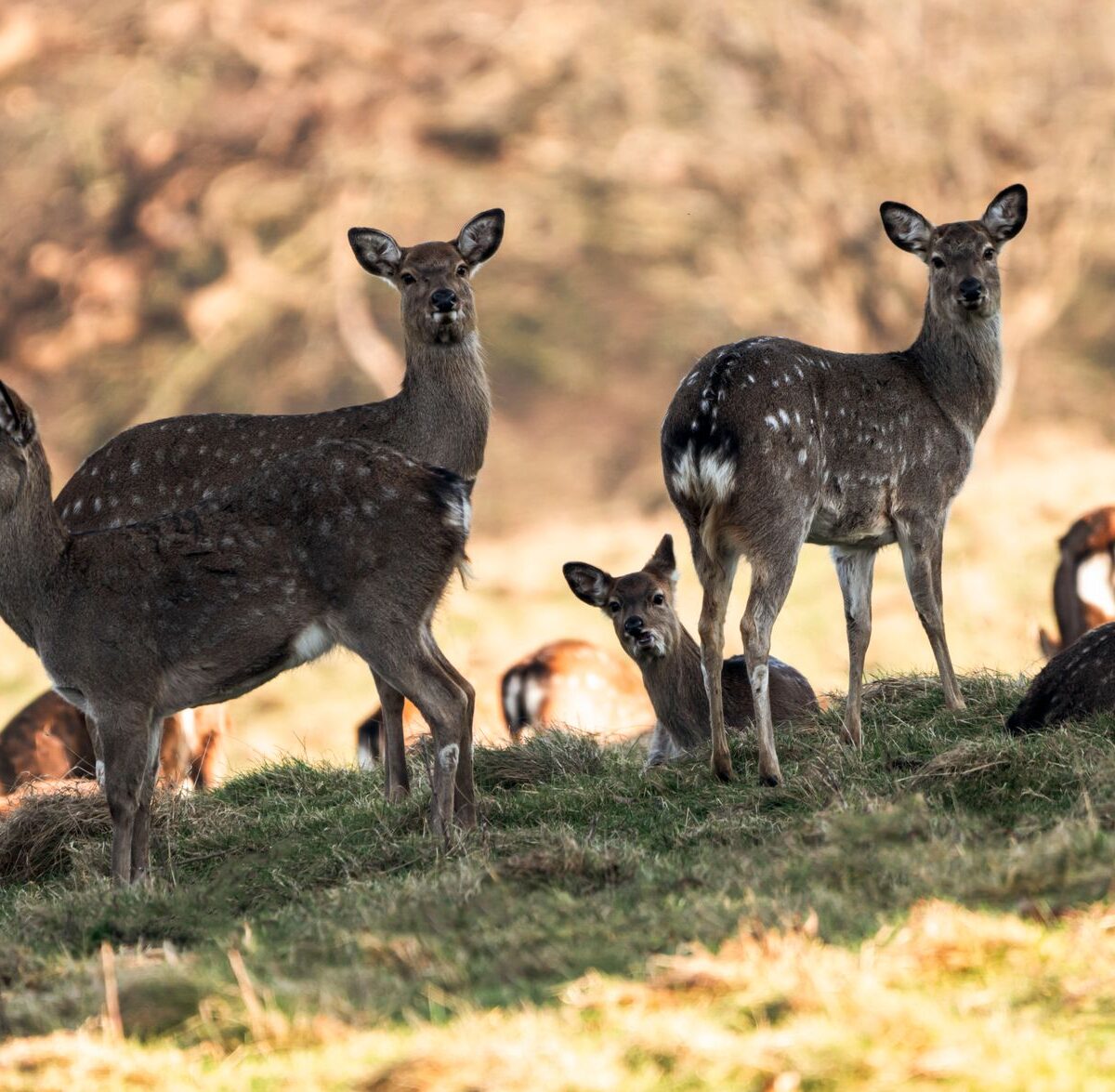
SIKA DEER
Cervus nippon
DESCRIPTION
Sika Deer is commonly known as the Japanese Sika and is characterized by its spotted coat, which varies in color from reddish-brown in summer to grayish-brown in winter. These deer are known for their vocalizations, which include a range of barks and whistles, making them quite communicative. Sika Deer inhabit a variety of environments, including forests and grasslands, and are adept at adapting to different ecological conditions.
FUN FACTS
- Sika Deer are known for their unique vocalizations, which can include a variety of sounds such as whistles and barks, making them one of the more vocal deer species
- | They have a remarkable ability to adapt to different habitats, which has allowed them to thrive in both wild and semi-domesticated environments, showcasing their resilience as a species
QUICK INFO
Lifespan10-15 years in the wild, up to 20 in captivity
Average Weight45-100 kg
Average Length1.2-2.0 m
Diet TypeHerbivore
Social Structuregroup — Sika Deer often form small herds, particularly females and their young.
Activity PatternCrepuscular
Breeding SeasonAutumn (September-November)
- Habitat
- Sika Deer are typically found in temperate forests, grasslands, and wetlands. They prefer areas with dense cover for shelter and foraging.
- Biomes
- Temperate Forest, Grassland, Wetland
- Native Range
- Sika Deer are native to East Asia, particularly Japan, China, and Taiwan.
- Continent
- Asia
- Countries
- Japan, China, Taiwan, Korea
- Diet
- Sika Deer primarily feed on grasses, leaves, and shrubs, making them selective grazers. They are known to browse on a variety of plant species, which helps them thrive in diverse habitats.
- Diet Type
- Herbivore
- Favorite Food
- grasses, leaves, shrubs
- Social Structure
- group — Sika Deer often form small herds, particularly females and their young.
- Activity Pattern
- Crepuscular
- Group Size
- 5-15
- Territorial
- 0
 EN
LC
EN
LC
 LC
LC
45-100 kg
Weight
1.2-2.0 m
Length
0.9-1.2 m at shoulder
Height (Shoulder)
- Coloration
- spotted reddish-brown coat in summer, grayish-brown in winter
- Sexual Dimorphism
- males are larger and have antlers, while females are smaller and antlerless
- Lifespan
- 10-15 years in the wild, up to 20 in captivity
- Gestation Period
- 210 days
- Offspring per Birth
- 1-2
- Sexual Maturity
- 1-2 years
- Breeding Season
- Autumn (September-November)
LC
Least Concern
IUCN Red List Status
- Population Status
- The population of Sika Deer is currently stable in many areas, although some local populations may be threatened.
- Wild Population Estimate
- 100,000-200,000
- Population Trend
- Stable
- Endangered
- 0
- Threats
- Main threats to Sika Deer include habitat loss due to urbanization and agriculture, as well as hunting. In some regions, they are also affected by competition with livestock.
- Predators
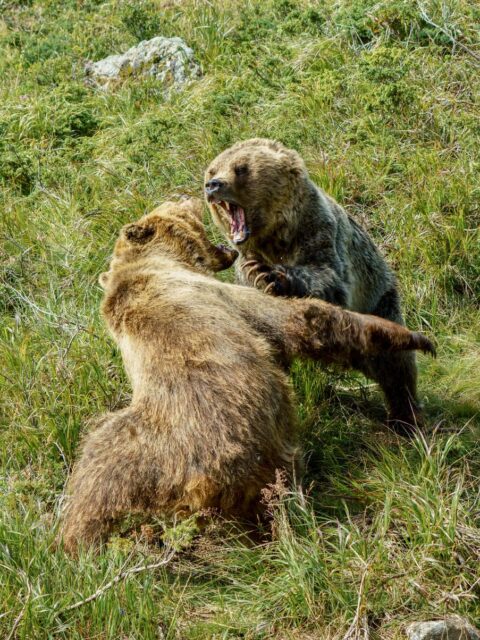
- Tigers, Wolves, Bears, Humans
- Defense Mechanisms
- Sika Deer rely on their speed and agility to escape predators, often using dense vegetation for cover.
- Compatible Animals
- none
- Found in Zoos
- Common