


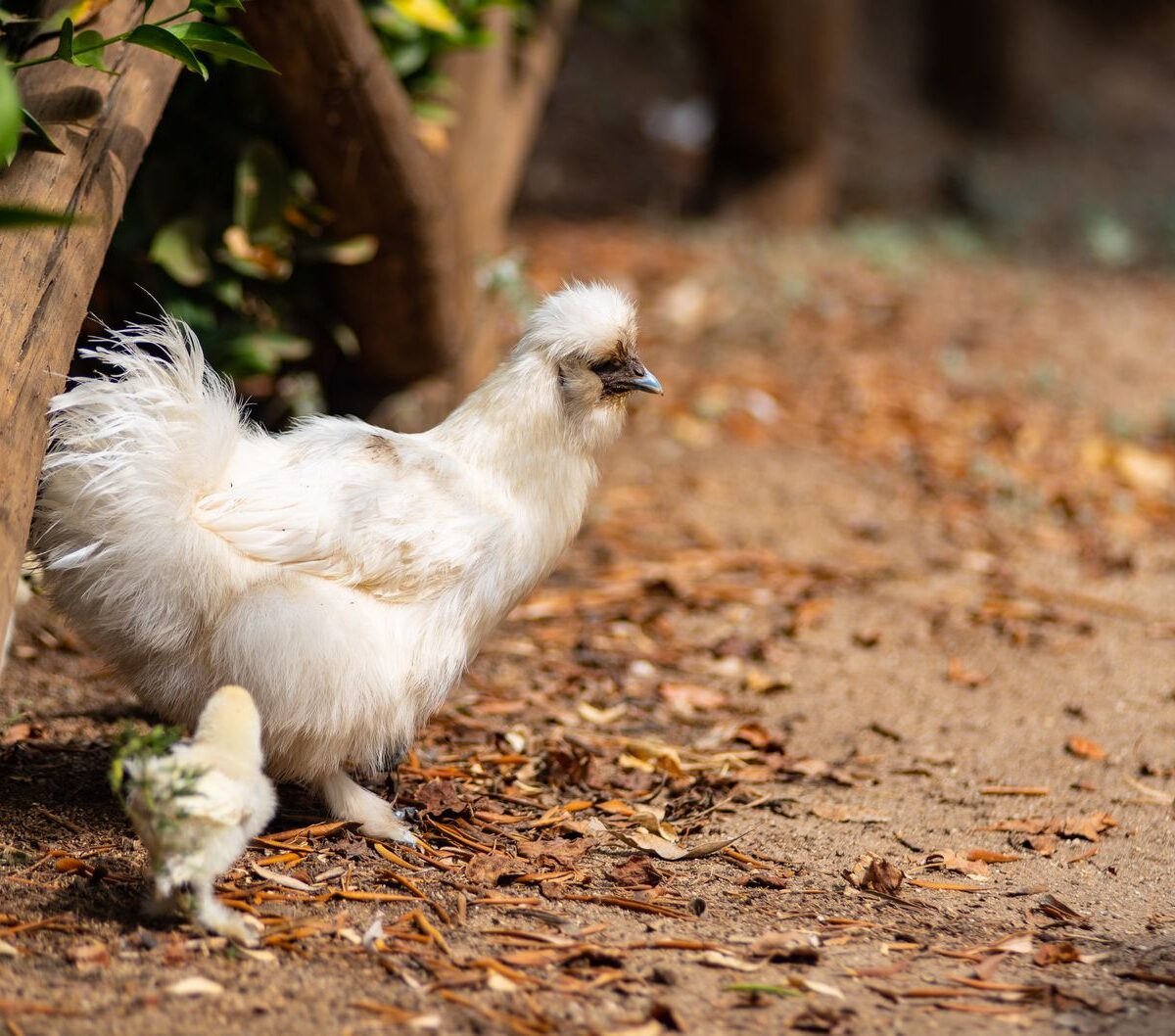
SILKIE CHICKEN
DESCRIPTION
Also called Chinese Silkie and Silkies, Silkie Chicken is a unique breed known for its fluffy plumage that resembles silk. They have a distinctive appearance with black skin, bones, and even blue earlobes, which sets them apart from other chicken breeds. Silkie Chickens are known for their calm and friendly demeanor, making them popular as pets and show birds.
FUN FACTS
- Silkie Chickens are known for their unique appearance, which includes a fluffy, down-like feather structure that gives them a soft, silk-like feel
- This breed is also famous for its unusual black skin and bones, a trait that is not found in most other chicken breeds
- | In addition to their striking appearance, Silkie Chickens are often used in traditional medicine in some cultures, believed to have health benefits
- They are also known for their nurturing behavior, often going broody and caring for their chicks with great dedication
QUICK INFO
Lifespan7-9 years in captivity
Average Weight1.5-2.5 kg
Diet TypeOmnivore
Social Structuregroup — they are social animals that prefer to be in the company of other chickens.
Activity PatternDiurnal
Breeding SeasonSpring (March-May)
- Habitat
- Silkie Chickens are typically kept in domesticated environments such as backyards and farms. They require a safe coop and space to roam and forage.
- Biomes
- Temperate Forest, Grassland
- Native Range
- Originally from China, Silkie Chickens have been bred and kept in various parts of the world.
- Continent
- Asia, North America, Europe
- Countries
- China, United States, United Kingdom
- Diet
- Silkie Chickens are omnivores, feeding on a variety of grains, seeds, insects, and kitchen scraps. They enjoy foraging for food and will also eat greens and vegetables.
- Diet Type
- Omnivore
- Favorite Food
- grains, seeds, insects
- Social Structure
- group — they are social animals that prefer to be in the company of other chickens.
- Activity Pattern
- Diurnal
- Group Size
- 3-10
- Territorial
- 0
 LC
LC

 VU
VU
1.5-2.5 kg
Weight
- Coloration
- fluffy white, black, or blue plumage
- Sexual Dimorphism
- males are generally larger and have more pronounced combs than females
- Lifespan
- 7-9 years in captivity
- Offspring per Birth
- 3-12
- Sexual Maturity
- 5-6 months
- Breeding Season
- Spring (March-May)
LC
Least Concern
IUCN Red List Status
- Population Status
- The population of Silkie Chickens is stable due to their popularity as pets and show birds.
- Population Trend
- Stable
- Endangered
- 0
- Threats
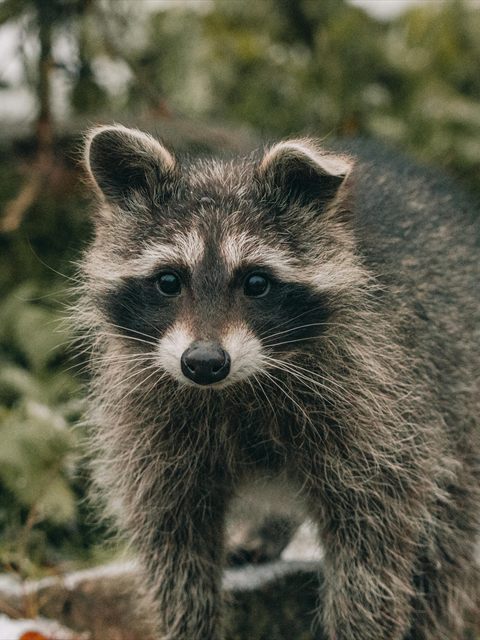
- Silkie Chickens face threats from predators such as raccoons, foxes, and birds of prey. Additionally, they can be susceptible to diseases if not properly cared for.
- Predators
- raccoons, foxes, birds of prey
- Defense Mechanisms
- Silkie Chickens rely on their flocking behavior for safety and will often seek shelter in their coop when threatened.
- Compatible Animals
- other chicken breeds, ducks
- Found in Zoos
- Rare