


SILVER MONKEY
Cercopithecus morio
DESCRIPTION
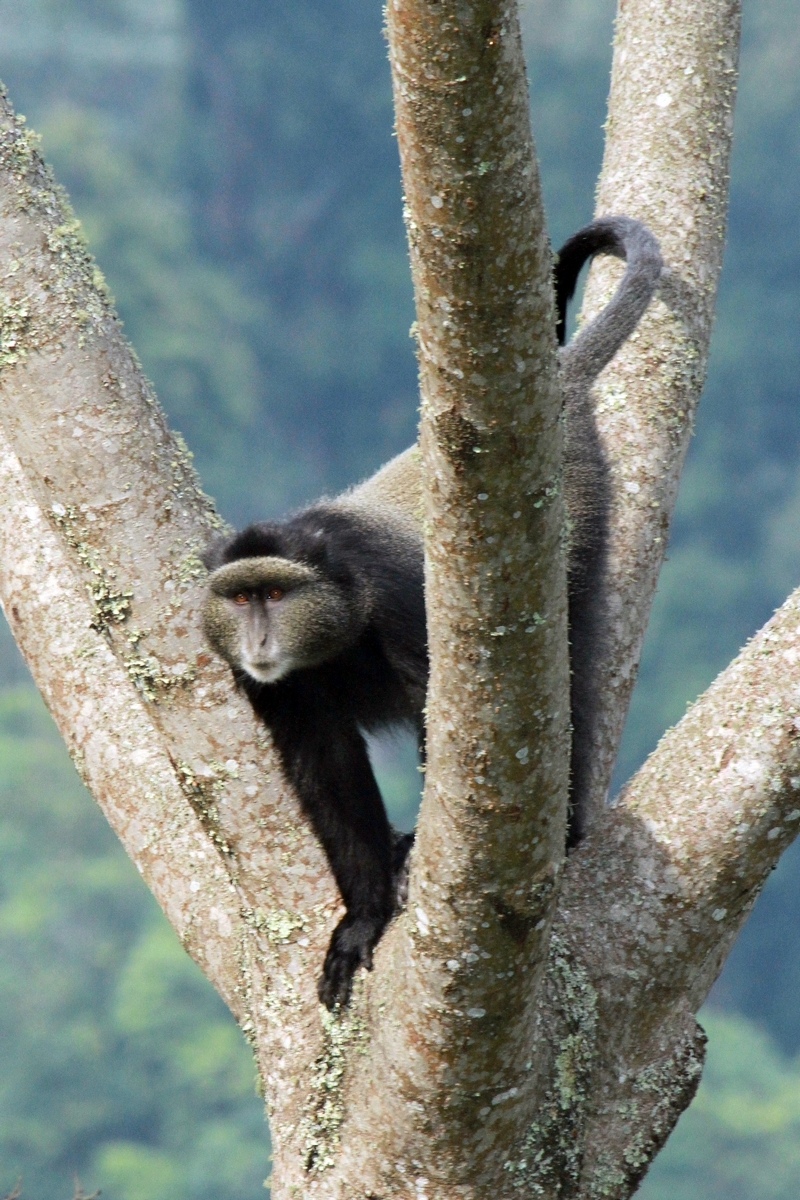
Silver Monkey (Cercopithecus morio) is also known as the Morio Monkey, characterized by its striking silver-gray fur and distinctive facial markings. These monkeys are medium-sized primates with long tails that aid in balance as they navigate through their arboreal habitats. They are social animals, often found in groups, and exhibit a range of vocalizations and behaviors that facilitate communication and cohesion within their troops.
FUN FACTS
- Silver Monkeys are known for their complex social structures and communication methods, which include a variety of vocalizations and body language
- They are also highly agile, capable of leaping between branches with great precision, which helps them evade predators and navigate their forested habitats.| These monkeys have a unique grooming behavior that not only helps maintain their fur but also strengthens social bonds within the group
- Grooming sessions can last for hours and are an essential part of their social interactions
QUICK INFO
Lifespan15-20 years in the wild, up to 25 in captivity
Average Weight4-8 kg
Average Length50-70 cm
Diet TypeOmnivore
Social StructureThey live in groups, typically consisting of 10-30 individuals, which are led by a dominant male. This social structure helps them protect against predators and enhances foraging efficiency.
Activity PatternDiurnal
Breeding SeasonYear-round, with peaks depending on environmental conditions
- Habitat
- They inhabit tropical rainforests and dense woodlands, often near rivers and streams. These environments provide ample food sources and shelter from predators.
- Biomes
- Tropical Rainforest
- Native Range
- Silver Monkeys are native to the forests of West Africa, particularly in countries like Gabon and the Republic of the Congo.
- Continent
- Africa
- Countries
- Gabon, Republic of the Congo
- Diet
- Silver Monkeys primarily consume fruits, leaves, and seeds, but they may also eat insects and small invertebrates. Their diet varies seasonally based on food availability.
- Diet Type
- Omnivore
- Favorite Food
- fruits, leaves
- Social Structure
- They live in groups, typically consisting of 10-30 individuals, which are led by a dominant male. This social structure helps them protect against predators and enhances foraging efficiency.
- Activity Pattern
- Diurnal
- Group Size
- 10-30
- Territorial
- 1
 VU
VU
 LC
LC
4-8 kg
Weight
50-70 cm
Length
- Coloration
- silver-gray fur with darker facial markings
- Sexual Dimorphism
- males are generally larger than females
- Lifespan
- 15-20 years in the wild, up to 25 in captivity
- Gestation Period
- 165 days
- Offspring per Birth
- 1
- Sexual Maturity
- 3-4 years
- Breeding Season
- Year-round, with peaks depending on environmental conditions
LC
Least Concern
IUCN Red List Status
- Population Status
- The population is currently stable, but habitat loss poses a potential threat.
- Wild Population Estimate
- Unknown
- Population Trend
- Stable
- Endangered
- 0
- Threats
- Main threats include habitat destruction due to logging and agricultural expansion. Additionally, hunting for bushmeat can impact local populations.
- Predators
- Large birds of prey, snakes, and carnivorous mammals such as leopards may prey on Silver Monkeys.
- Defense Mechanisms
- They use vocalizations to alert the group of potential threats and can escape into the trees quickly to avoid predators.
- Found in Zoos
- Uncommon