


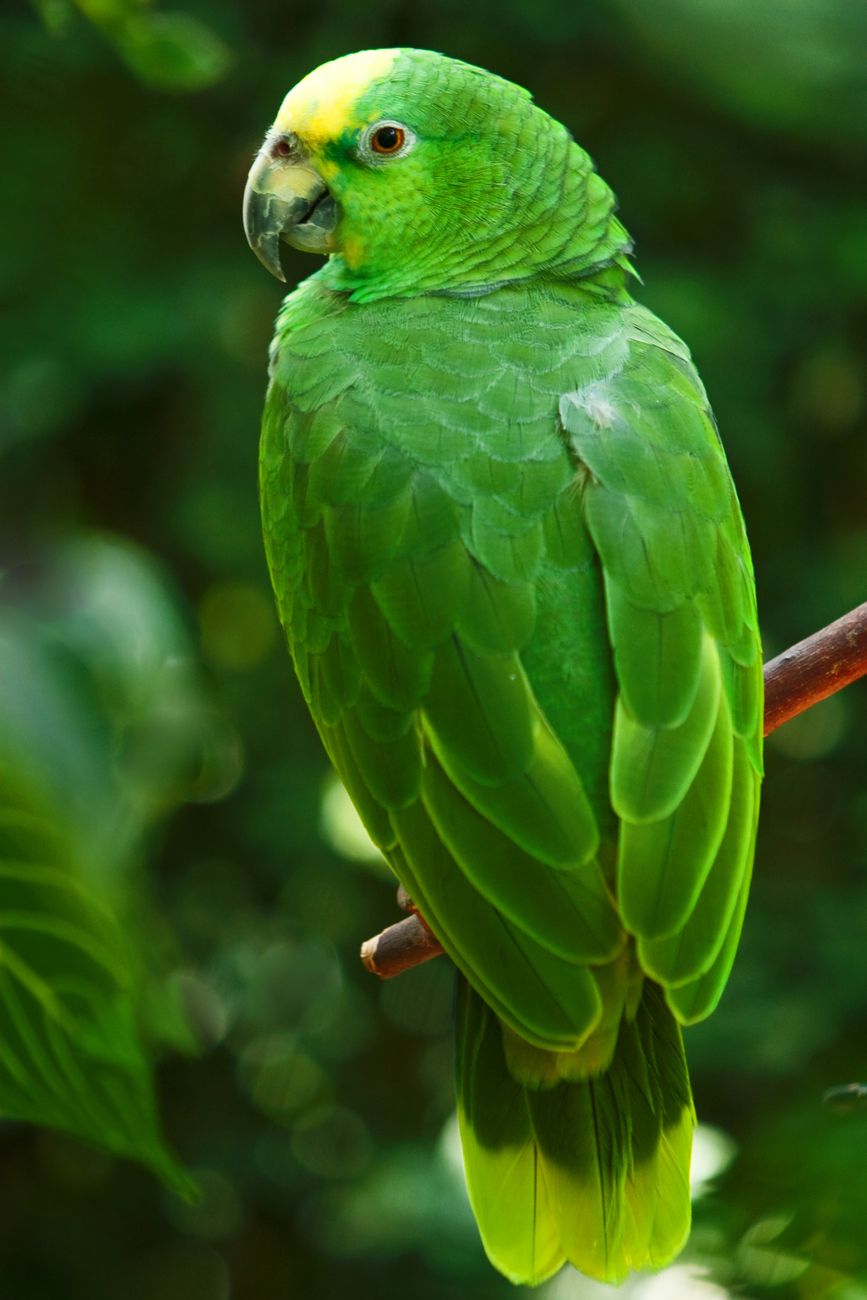
SINGING PARROT
DESCRIPTION
Singing Parrot, also known as the Yellow-crowned Parrot, is a medium-sized parrot recognized for its vibrant green plumage and distinctive yellow crown. These birds are known for their remarkable vocal abilities, often mimicking sounds and human speech, which makes them popular as pets. In the wild, they inhabit tropical forests and are often seen in pairs or small groups, foraging for food and socializing with one another.
FUN FACTS
- Singing Parrots are known for their exceptional ability to mimic human speech and other sounds, making them one of the most popular pet birds
- In the wild, they play a vital role in their ecosystem by helping to disperse seeds, which contributes to forest regeneration.|These parrots have a unique social structure, often forming strong bonds with their mates and flock members
- They engage in mutual preening and vocalizations, which strengthen their relationships and enhance their social cohesion
QUICK INFO
Lifespan20-30 years in captivity
Average Weight200-300 g
Average Length25-30 cm
Diet TypeHerbivore
Social Structuregroup — they are often found in small flocks or pairs, showcasing strong social bonds.
Activity PatternDiurnal
Breeding SeasonSpring (March-May)
- Habitat
- Singing Parrots thrive in tropical and subtropical forests, often favoring areas with abundant fruiting trees. They are also found in savannas and woodlands where food sources are plentiful.
- Biomes
- Tropical Rainforest, Savanna
- Native Range
- Singing Parrots are native to the Amazon Basin, primarily found in countries like Brazil, Peru, and Colombia.
- Continent
- South America
- Countries
- Brazil, Peru, Colombia
- Diet
- Singing Parrots primarily feed on fruits, seeds, and nuts, which they forage from trees and shrubs. Their diet is crucial for their health and plays a significant role in their social interactions.
- Diet Type
- Herbivore
- Favorite Food
- fruits, seeds, nuts
- Social Structure
- group — they are often found in small flocks or pairs, showcasing strong social bonds.
- Activity Pattern
- Diurnal
- Group Size
- 2-20
- Territorial
- 0
 CR
CR
 LC
LC
200-300 g
Weight
25-30 cm
Length
- Coloration
- primarily green with a yellow crown and hints of blue on the wings
- Lifespan
- 20-30 years in captivity
- Offspring per Birth
- 2-4
- Sexual Maturity
- 2-3 years
- Breeding Season
- Spring (March-May)
LC
Least Concern
IUCN Red List Status
- Population Status
- The population of Singing Parrots is currently stable, but habitat loss poses a potential threat.
- Wild Population Estimate
- 50,000-100,000
- Population Trend
- Stable
- Endangered
- 0
- Threats
- Main threats include habitat destruction due to deforestation and illegal trapping for the pet trade. Conservation efforts are needed to protect their natural habitats.
- Predators
- hawks, snakes, and larger birds of prey
- Defense Mechanisms
- Singing Parrots use their vocal abilities to communicate warnings to each other and can also fly quickly to evade predators.
- Compatible Animals
- other parrots, small birds
- Found in Zoos
- Common