


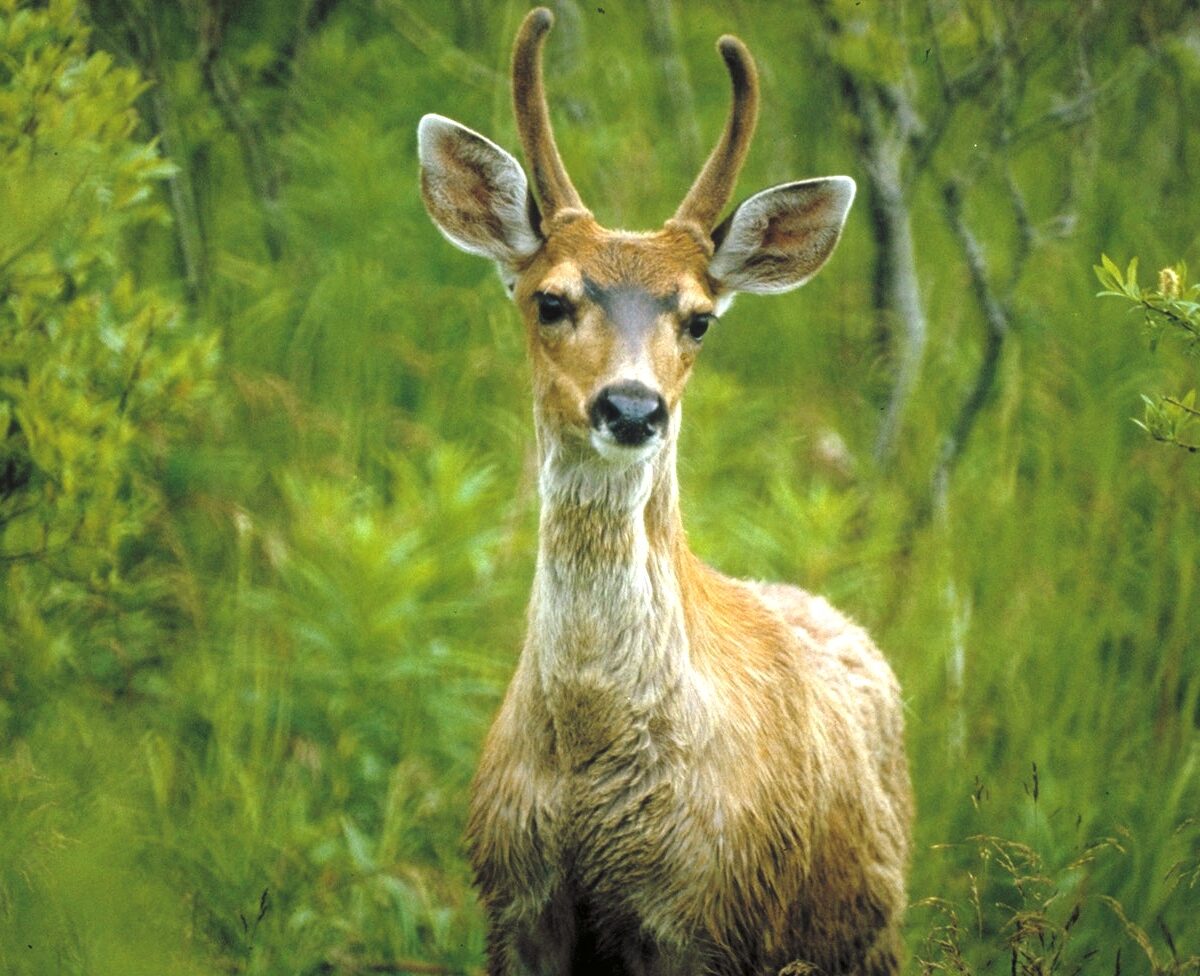
SITKA BLACK-TAILED DEER
Odocoileus hemionus sitkensis
DESCRIPTION
Sitka Black-Tailed Deer (Odocoileus hemionus sitkensis) is commonly known as Sitka Deer. This medium-sized deer is characterized by its dark brown to grayish coat, which helps it blend into the forested environments of its native range. They are known for their agile movements and are often seen foraging in the underbrush, displaying a shy and cautious demeanor.
FUN FACTS
- Sitka Black-Tailed Deer are known for their unique adaptations to their forested habitats, including their ability to navigate through dense underbrush with ease
- They also have a remarkable sense of smell, which helps them detect predators from a distance
- | During the winter months, these deer can often be seen foraging for food under the snow, using their hooves to dig through the snow to reach vegetation
- Their ability to adapt their diet based on seasonal availability is crucial for their survival in harsh conditions
QUICK INFO
Lifespan10-15 years in the wild, up to 20 in captivity
Average Weight45-90 kg
Average Length1.2-1.8 m
Diet TypeHerbivore
Social StructureThey are typically solitary or found in small groups, especially females with their young. Males may be more solitary outside of the breeding season.
Activity PatternCrepuscular
Breeding SeasonFall (September-November)
- Habitat
- These deer inhabit temperate rainforests, coastal regions, and mountainous areas. They prefer dense underbrush that provides cover and abundant food sources.
- Biomes
- Temperate Rainforest, Coastal Forest
- Native Range
- Sitka Black-Tailed Deer are native to the coastal regions of the Pacific Northwest, particularly in Alaska and parts of British Columbia.
- Continent
- North America
- Countries
- United States, Canada
- Diet
- Sitka Black-Tailed Deer primarily feed on a variety of vegetation, including leaves, twigs, and grasses. They are particularly fond of shrubs and young trees, which provide essential nutrients.
- Diet Type
- Herbivore
- Favorite Food
- shrubs, leaves, grasses
- Social Structure
- They are typically solitary or found in small groups, especially females with their young. Males may be more solitary outside of the breeding season.
- Activity Pattern
- Crepuscular
- Group Size
- 1-5
- Territorial
- 0
 LC
LC
 LC
LC
 LC
LC
45-90 kg
Weight
1.2-1.8 m
Length
0.9-1.1 m at shoulder
Height (Shoulder)
- Coloration
- dark brown to grayish coat with lighter underparts
- Sexual Dimorphism
- Males are generally larger than females and have antlers.
- Lifespan
- 10-15 years in the wild, up to 20 in captivity
- Gestation Period
- 210 days
- Offspring per Birth
- 1-2
- Sexual Maturity
- 1-2 years
- Breeding Season
- Fall (September-November)
LC
Least Concern
IUCN Red List Status
- Population Status
- The population of Sitka Black-Tailed Deer is considered stable, although local densities can vary based on habitat and predation.
- Wild Population Estimate
- 100,000-200,000
- Population Trend
- Stable
- Endangered
- 0
- Threats
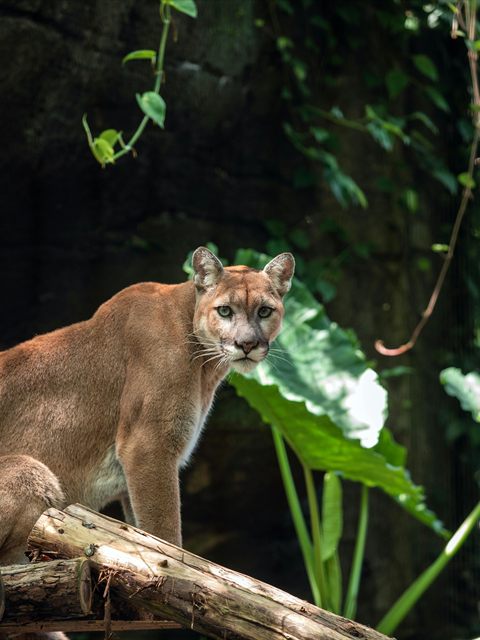
- Main threats include habitat loss due to logging and development, as well as predation from wolves and cougars. Overhunting in some areas can also impact local populations.
- Predators
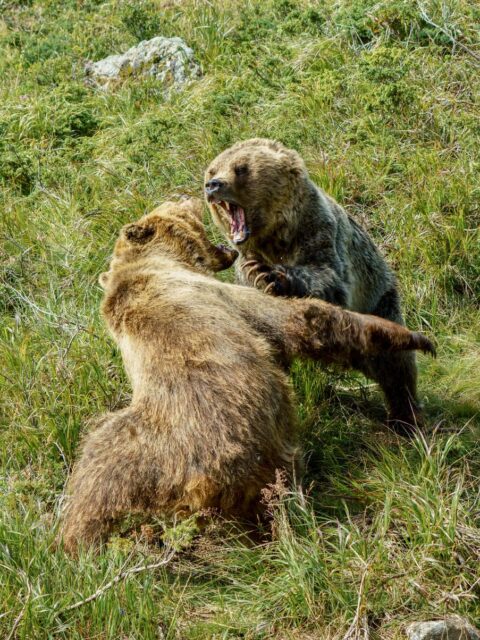
- Wolves, Cougars, Bears, Humans
- Defense Mechanisms
- They rely on their agility and speed to escape predators, often using dense vegetation for cover.
- Found in Zoos
- Uncommon