


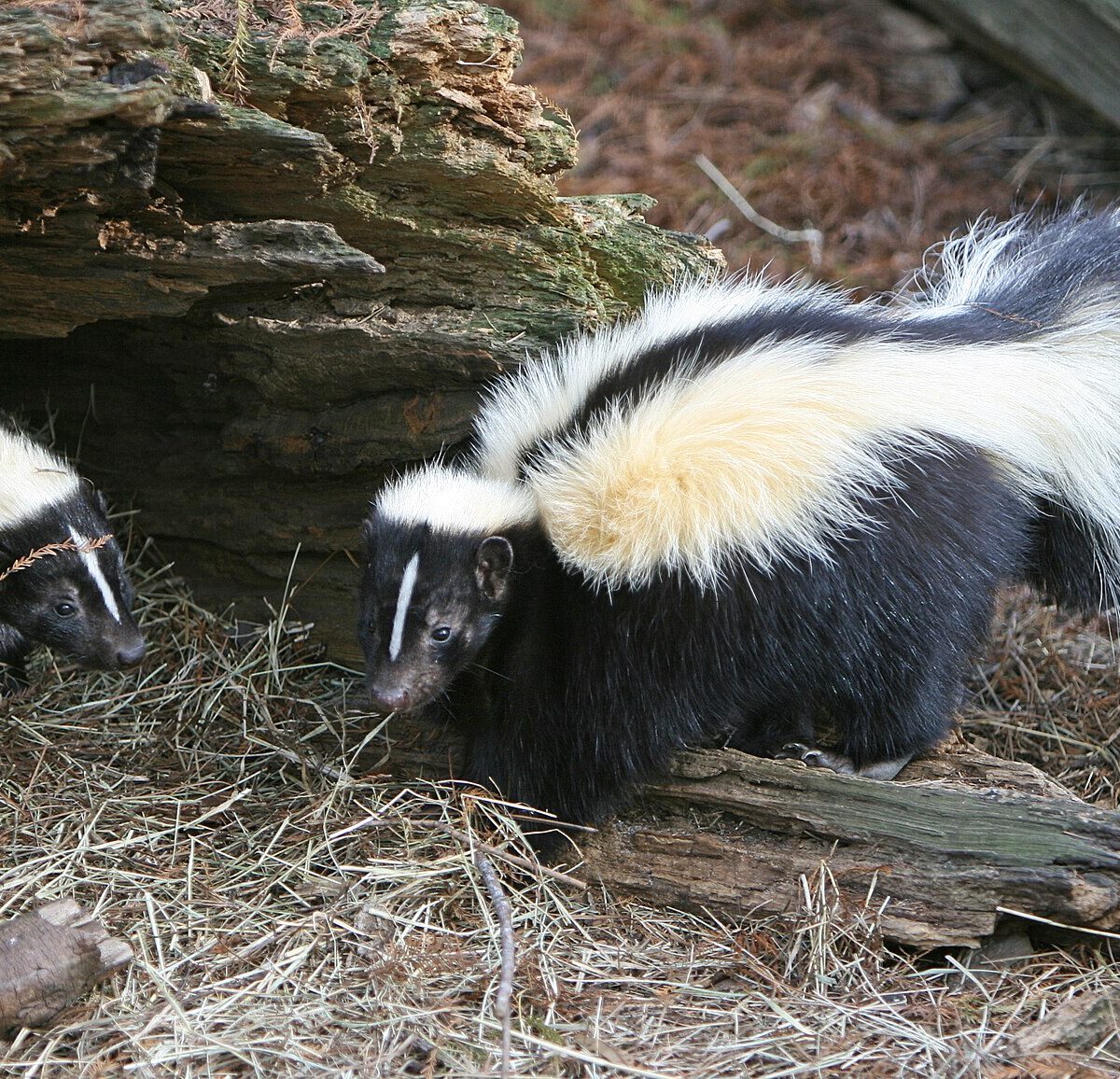
SKUNK
Mephitis
DESCRIPTION
Also called striped skunk and spotted skunk, Skunk is a small to medium-sized mammal known for its distinctive black and white coloration. They have a robust body, short legs, and a bushy tail, which they often raise when threatened. Skunks are primarily nocturnal and are known for their strong odor, which they use as a defense mechanism against predators.
FUN FACTS
- Skunks are famous for their ability to spray a noxious liquid that can reach distances of up to 3 meters
- This spray is made up of sulfur-containing compounds, which can cause temporary blindness and intense discomfort to potential predators
- | Despite their reputation, skunks are generally not aggressive and will often try to avoid confrontation
- They prefer to use their spray as a last resort, often giving warning signs before they do so
QUICK INFO
Lifespan3-7 years in the wild, up to 10 years in captivity
Average Weight2-14 kg
Average Length50-100 cm
Diet TypeOmnivore
Social Structuresolitary, typically live alone except during mating season
Activity PatternNocturnal
Breeding SeasonLate winter to early spring
- Habitat
- Skunks are adaptable animals that can thrive in a variety of habitats, including forests, grasslands, and urban areas. They prefer areas with ample cover for nesting and foraging.
- Biomes
- Temperate Forest, Grassland, Urban
- Native Range
- Skunks are native to North America, ranging from southern Canada to northern Mexico.
- Continent
- North America
- Countries
- United States, Canada, Mexico
- Diet
- Skunks are omnivorous and have a varied diet that includes insects, small mammals, fruits, and plants. They are opportunistic feeders and will scavenge for food when necessary.
- Diet Type
- Omnivore
- Favorite Food
- insects, fruits, small mammals
- Social Structure
- solitary, typically live alone except during mating season
- Activity Pattern
- Nocturnal
- Group Size
- 1-2
- Territorial
- 1

 LC
LC
 LC
LC
2-14 kg
Weight
50-100 cm
Length
- Coloration
- black with white stripes or spots
- Sexual Dimorphism
- males are generally larger than females
- Lifespan
- 3-7 years in the wild, up to 10 years in captivity
- Gestation Period
- 60-75 days
- Offspring per Birth
- 3-10
- Sexual Maturity
- 1 year
- Breeding Season
- Late winter to early spring
LC
Least Concern
IUCN Red List Status
- Population Status
- Skunk populations are generally stable, but local declines can occur due to habitat loss.
- Wild Population Estimate
- unknown
- Population Trend
- Stable
- Endangered
- 0
- Threats
- Main threats include habitat destruction and vehicle collisions. Skunks are also sometimes hunted for their pelts.
- Predators
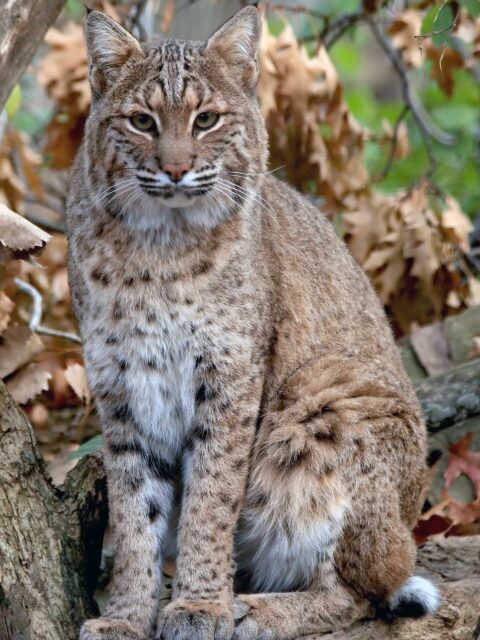
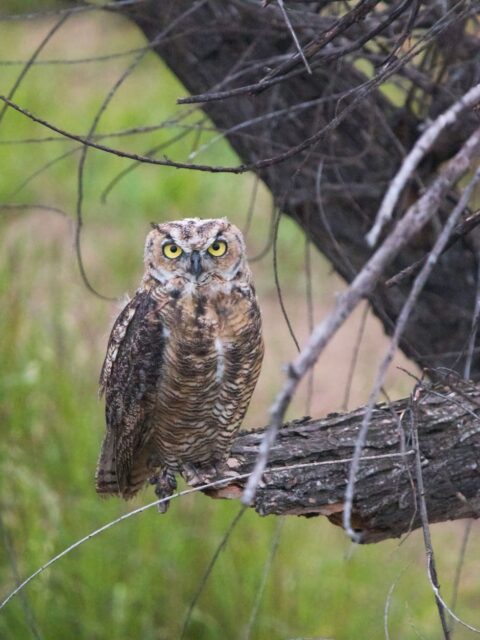
- coyotes, foxes, bobcats, great horned owls
- Defense Mechanisms
- Skunks have a well-known defense mechanism where they spray a foul-smelling liquid from their anal glands when threatened.
- Found in Zoos
- Common