



SMOOTH OTTER
Lutrogale perspicillata
DESCRIPTION
The Smooth Otter (Lutrogale perspicillata) is a medium-sized aquatic mammal characterized by its sleek body, short legs, and a long, tapered tail that aids in swimming. Its fur is dense and water-repellent, typically appearing dark brown with a lighter underbelly. Smooth Otters are social animals, often found in groups, and are known for their playful behavior, which includes sliding down mud or snowbanks into the water.
FUN FACTS
- Smooth Otters are known for their remarkable swimming abilities, using their webbed feet and streamlined bodies to navigate through water with ease
- They can hold their breath for several minutes while diving to catch fish or explore their underwater environment
- | These otters are also highly social creatures, often seen playing together in the water, which helps strengthen social bonds within their groups
- Their playful nature is not only entertaining but also essential for their development and survival skills
QUICK INFO
Lifespan10-15 years in the wild, up to 20 years in captivi
Average Weight5-10 kg
Average Length0.9-1.2 m
Diet TypePiscivore
Social StructureThey are typically found in small groups or family units, often consisting of a few individuals.
Activity PatternDiurnal
Breeding SeasonYear-round, with peaks depending on the region
- Habitat
- Smooth Otters inhabit freshwater rivers, lakes, and wetlands, often preferring areas with abundant vegetation and cover. They require clean water bodies for hunting and breeding.
- Biomes
- Freshwater, Wetlands
- Native Range
- The native range of the Smooth Otter includes parts of South and Southeast Asia, particularly in countries with suitable freshwater habitats.
- Continent
- Asia
- Countries
- India, Bangladesh, Nepal, Myanmar, Thailand, Vietnam, Cambodia, Laos, Malaysia, Indonesia
- Diet
- Smooth Otters primarily feed on fish, crustaceans, and small invertebrates. They are skilled hunters, using their agility in water to catch prey.
- Diet Type
- Piscivore
- Favorite Food
- fish, crustaceans
- Social Structure
- They are typically found in small groups or family units, often consisting of a few individuals.
- Activity Pattern
- Diurnal
- Group Size
- 2-10
- Territorial
- 1
 VU
VU
 VU
VU
5-10 kg
Weight
0.9-1.2 m
Length
- Coloration
- Dark brown fur with a lighter underbelly
- Sexual Dimorphism
- Males are generally larger than females.
- Lifespan
- 10-15 years in the wild, up to 20 years in captivi
- Gestation Period
- 60-70 days
- Offspring per Birth
- 2-4
- Sexual Maturity
- 2-3 years
- Breeding Season
- Year-round, with peaks depending on the region
VU
Vulnerable
IUCN Red List Status
- Population Status
- The population of Smooth Otters is currently stable in some areas but declining in others due to habitat loss.
- Wild Population Estimate
- Unknown, but populations are believed to be decreasing in certain regions.
- Population Trend
- Decreasing
- Endangered
- 1
- Threats
- Main threats include habitat destruction, pollution, and hunting for fur. These factors have led to a decline in their populations in many areas.
- Predators
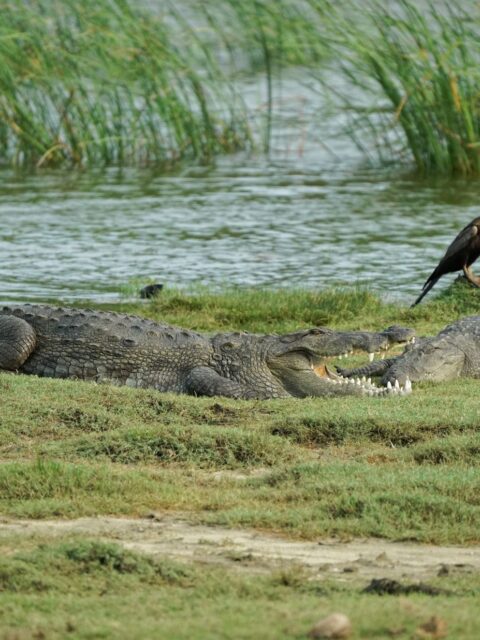
- Large birds of prey, crocodiles, and large carnivores may pose threats to Smooth Otters, especially to young or vulnerable individuals.
- Defense Mechanisms
- They rely on their agility in water and social behavior to evade predators, often retreating to dens or using dense vegetation for cover.
- Found in Zoos
- Uncommon