


SMOOTH-SIDED TOAD
Rhaebo guttatus
DESCRIPTION
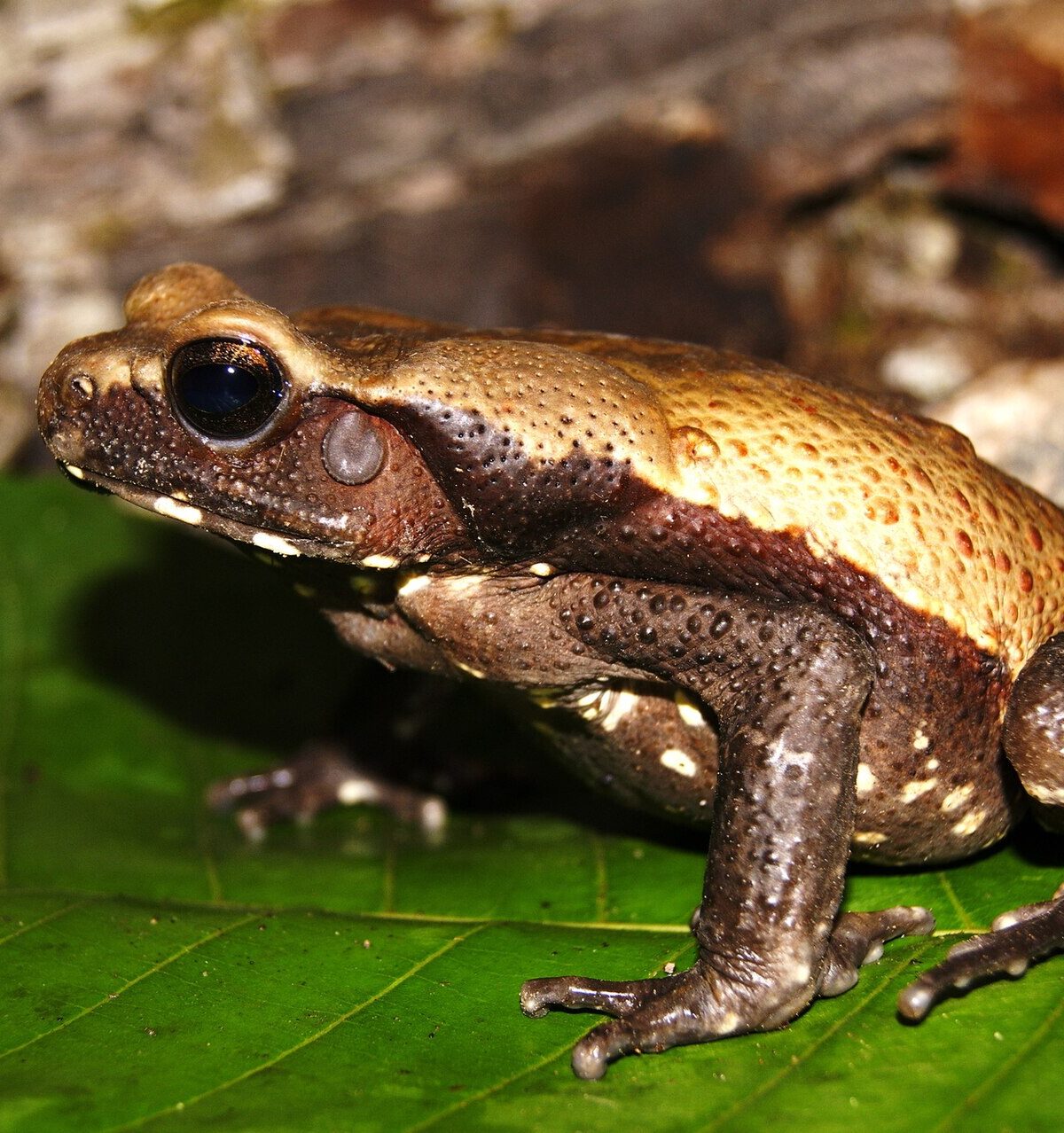
The Smooth-Sided Toad, scientifically known as Rhaebo guttatus, is a medium-sized toad characterized by its smooth, moist skin and distinctive coloration, which typically features a brown or gray base with lighter spots. This species is primarily nocturnal, emerging at night to hunt for food and avoid daytime predators. In its natural habitat, it plays a crucial role in the ecosystem as both predator and prey, contributing to the balance of insect populations and serving as a food source for larger animals.
FUN FACTS
- The Smooth-Sided Toad is known for its unique skin texture, which is smoother than that of many other toad species, allowing it to retain moisture more effectively
- This adaptation is crucial for survival in its humid tropical habitat, where it can often be found near water sources
- | Interestingly, these toads have a fascinating breeding behavior where males call to attract females, creating a chorus that can be heard during the rainy season
- This vocalization not only helps in mate selection but also establishes territory among competing males
QUICK INFO
Lifespan5-10 years in the wild
Average Weight50-100 g
Average Length8-12 cm
Diet TypeInsectivore
Social Structuresolitary
Activity PatternNocturnal
Breeding SeasonRainy season (varies by region)
- Habitat
- Smooth-Sided Toads are typically found in moist, tropical environments such as rainforests and near water bodies. They prefer areas with ample vegetation that provide cover and breeding sites.
- Biomes
- Tropical Rainforest
- Native Range
- This species is native to the tropical regions of Central and South America, particularly in areas with high humidity.
- Continent
- South America
- Countries
- Colombia, Ecuador, Peru
- Diet
- The Smooth-Sided Toad primarily feeds on a variety of insects and other small invertebrates. Its diet is essential for controlling insect populations in its habitat.
- Diet Type
- Insectivore
- Favorite Food
- insects, worms
- Social Structure
- solitary
- Activity Pattern
- Nocturnal
- Group Size
- 1-2
- Territorial
- 0
 VU
VU
 LC
LC
50-100 g
Weight
8-12 cm
Length
- Coloration
- brown or gray with lighter spots
- Sexual Dimorphism
- males are typically smaller than females
- Lifespan
- 5-10 years in the wild
- Offspring per Birth
- 100-200 eggs
- Sexual Maturity
- 2-3 years
- Breeding Season
- Rainy season (varies by region)
LC
Least Concern
IUCN Red List Status
- Population Status
- The population of Smooth-Sided Toads is currently stable, but habitat loss poses a potential threat.
- Wild Population Estimate
- unknown
- Population Trend
- Stable
- Endangered
- 0
- Threats
- Main threats include habitat destruction due to deforestation and pollution. Climate change may also impact their breeding habitats and food availability.
- Predators
- birds, snakes, larger mammals
- Defense Mechanisms
- Smooth-Sided Toads can secrete toxins from their skin to deter predators.
- Found in Zoos
- Uncommon