


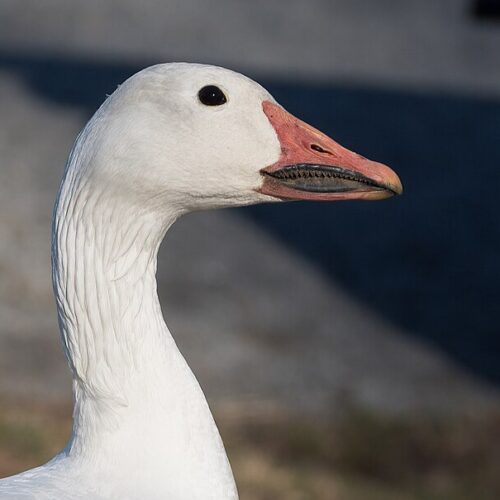
SNOW GOOSE
Anser caerulescens
DESCRIPTION
The Snow Goose is a medium-sized waterfowl known for its striking white plumage, although some individuals exhibit a darker color phase known as the blue morph. They have a distinctive black patch on their face and a pink bill, which adds to their unique appearance. Snow Geese are highly social birds, often seen in large flocks, and they migrate long distances between breeding and wintering grounds, showcasing impressive navigational skills.
FUN FACTS
- Snow Geese are known for their incredible migratory journeys, traveling thousands of miles between their breeding and wintering grounds
- During migration, they can fly at altitudes of up to 10,000 feet, showcasing their remarkable endurance and navigational abilities
- | The blue morph of the Snow Goose is a fascinating example of color variation in birds, and it is believed that this color phase may provide better camouflage in certain environments
- Interestingly, both the white and blue morphs can be found in the same flock, highlighting the genetic diversity within the species
QUICK INFO
Lifespan10-15 years in the wild
Average Weight2.5-3.5 kg
Average Length75-90 cm
Diet TypeHerbivore
Social Structuregroup — Snow Geese are highly social and often found in large flocks, especially during migration.
Activity PatternDiurnal
Breeding SeasonSpring (May-June)
- Habitat
- Snow Geese inhabit a variety of wetland and grassland environments, including marshes, tundra, and agricultural fields. They prefer areas with abundant food sources and open water for resting and feeding.
- Biomes
- Tundra, Wetlands, Grasslands
- Native Range
- Snow Geese breed in the Arctic and sub-Arctic regions of North America and migrate to the southern United States and Mexico for the winter.
- Continent
- North America
- Countries
- Canada, United States, Mexico
- Diet
- Snow Geese primarily feed on grasses, grains, and other vegetation, often foraging in agricultural fields and wetlands. They are known to graze on the leaves and stems of various plants, making them important herbivores in their ecosystems.
- Diet Type
- Herbivore
- Favorite Food
- grasses, grains
- Social Structure
- group — Snow Geese are highly social and often found in large flocks, especially during migration.
- Activity Pattern
- Diurnal
- Group Size
- 50-1000
- Territorial
- 0
 LC
LC
 LC
LC
 LC
LC
2.5-3.5 kg
Weight
75-90 cm
Length
- Coloration
- primarily white with black wing tips; blue morphs are darker with a grayish hue
- Sexual Dimorphism
- males and females are similar in appearance, with no significant dimorphism
- Lifespan
- 10-15 years in the wild
- Offspring per Birth
- 3-5
- Sexual Maturity
- 2-3 years
- Breeding Season
- Spring (May-June)
LC
Least Concern
IUCN Red List Status
- Population Status
- The Snow Goose population is currently stable, with large numbers observed during migration.
- Wild Population Estimate
- 1,000,000+
- Population Trend
- Increasing
- Endangered
- 0
- Threats
- Main threats include habitat loss due to agricultural expansion and climate change, which can affect their breeding and feeding grounds. Additionally, hunting pressure can impact local populations.
- Predators
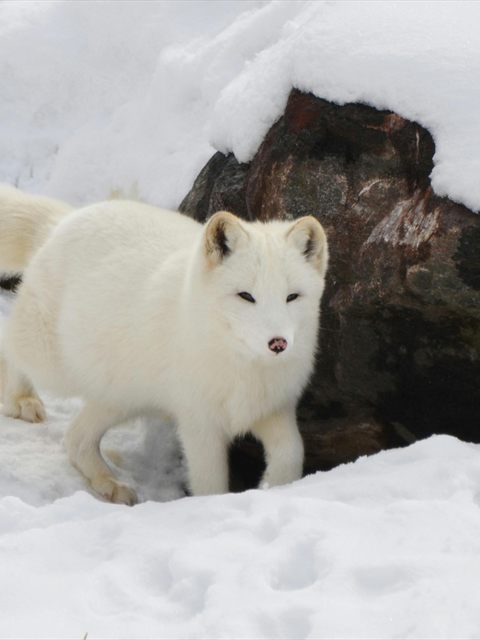
- Arctic foxes, wolves, eagles, and various large birds of prey are known to prey on Snow Goose eggs and goslings. Adult Snow Geese have fewer natural predators but can be vulnerable during migration.
- Defense Mechanisms
- Snow Geese rely on their large flocking behavior for safety, using numbers to confuse predators and increase vigilance.
- Found in Zoos
- Uncommon