


SNOW LEOPARD
Panthera uncia
DESCRIPTION
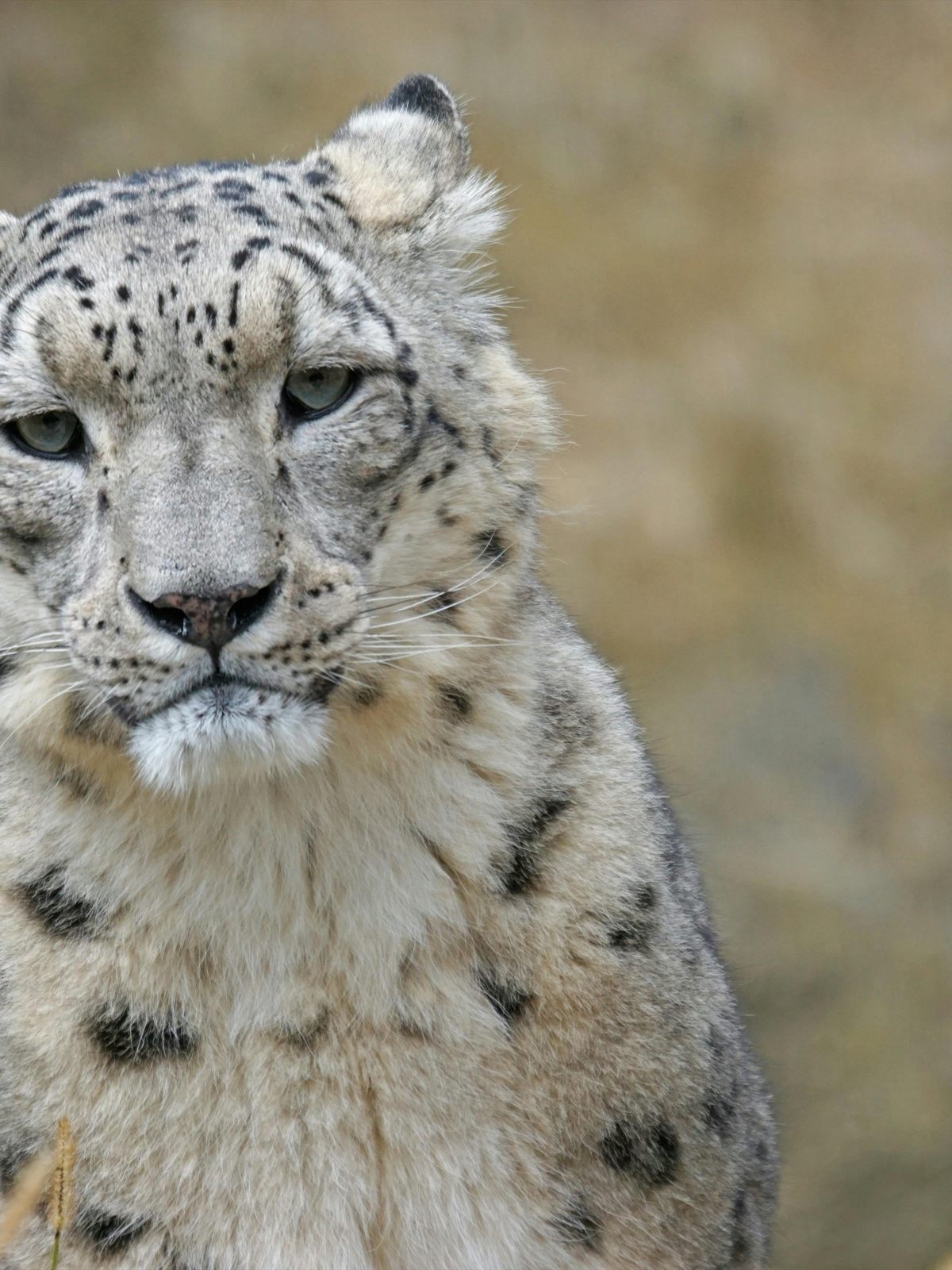
The snow leopard is a large cat native to the mountain ranges of Central and South Asia. It has a thick, smoky-gray coat with black rosettes and spots, which provides excellent camouflage in its rocky habitat. Snow leopards are known for their long tails, which help them maintain balance on steep terrain, and their powerful legs, which allow them to leap up to six times their body length.
FUN FACTS
- Snow leopards have a unique adaptation that allows them to survive in extreme cold; they have thick fur on their paws that acts like natural snowshoes, preventing them from slipping on ice and snow
- Additionally, their long tails are not just for balance; they also serve as a warm cover for their faces when they sleep, helping them conserve body heat.|Snow leopards are known for their incredible jumping ability, capable of leaping up to 15 meters in a single bound
- This skill is essential for navigating the steep and rocky terrain of their mountainous habitat, allowing them to pursue prey and escape from potential threats
QUICK INFO
Lifespan10-12 years in the wild, up to 20 years in captivi
Average Weight22-55 kg
Average Length1.1-1.3 m
Diet TypeCarnivore
Social StructureSolitary, with males and females coming together only for mating.
Activity PatternCrepuscular
Breeding SeasonWinter (January-March)
- Habitat
- Snow leopards inhabit rugged mountain ranges, often at elevations between 3,000 and 4,500 meters. They prefer steep, rocky terrain that provides cover for stalking prey and access to open areas for hunting.
- Biomes
- Mountain, Alpine
- Native Range
- Snow leopards are found across the mountain ranges of Central and South Asia, including the Himalayas, the Tibetan Plateau, and the mountains of Mongolia and Russia.
- Continent
- Asia
- Countries
- China, India, Nepal, Bhutan, Mongolia, Pakistan, Russia, Tajikistan, Kyrgyzstan, Kazakhstan
- Diet
- Snow leopards primarily hunt medium-sized ungulates, such as ibex and blue sheep, but they will also eat smaller mammals and birds when necessary. They are opportunistic hunters and can adapt their diet based on the availability of prey.
- Diet Type
- Carnivore
- Favorite Food
- Ibex, blue sheep
- Social Structure
- Solitary, with males and females coming together only for mating.
- Activity Pattern
- Crepuscular
- Group Size
- 1
- Territorial
- 1
22-55 kg
Weight
1.1-1.3 m
Length
- Coloration
- Thick, smoky-gray coat with black rosettes and spots.
- Sexual Dimorphism
- Males are generally larger than females.
- Lifespan
- 10-12 years in the wild, up to 20 years in captivi
- Gestation Period
- 90-100 days
- Offspring per Birth
- 2-4
- Sexual Maturity
- 2-3 years
- Breeding Season
- Winter (January-March)
VU
Vulnerable
IUCN Red List Status
- Population Status
- The snow leopard population is currently declining due to habitat loss and poaching.
- Wild Population Estimate
- 4,000-6,500
- Population Trend
- Decreasing
- Endangered
- 1
- Threats
- Main threats include poaching for their beautiful fur, loss of prey due to hunting, and habitat destruction from human encroachment. Climate change also poses a significant risk to their mountainous habitat.
- Conservation Program
- Snow Leopard Conservancy, Global Snow Leopard and Ecosystem Protection Program
- Defense Mechanisms
- Snow leopards rely on their camouflage and stealth to avoid detection by both prey and potential threats.
- Found in Zoos
- Uncommon