


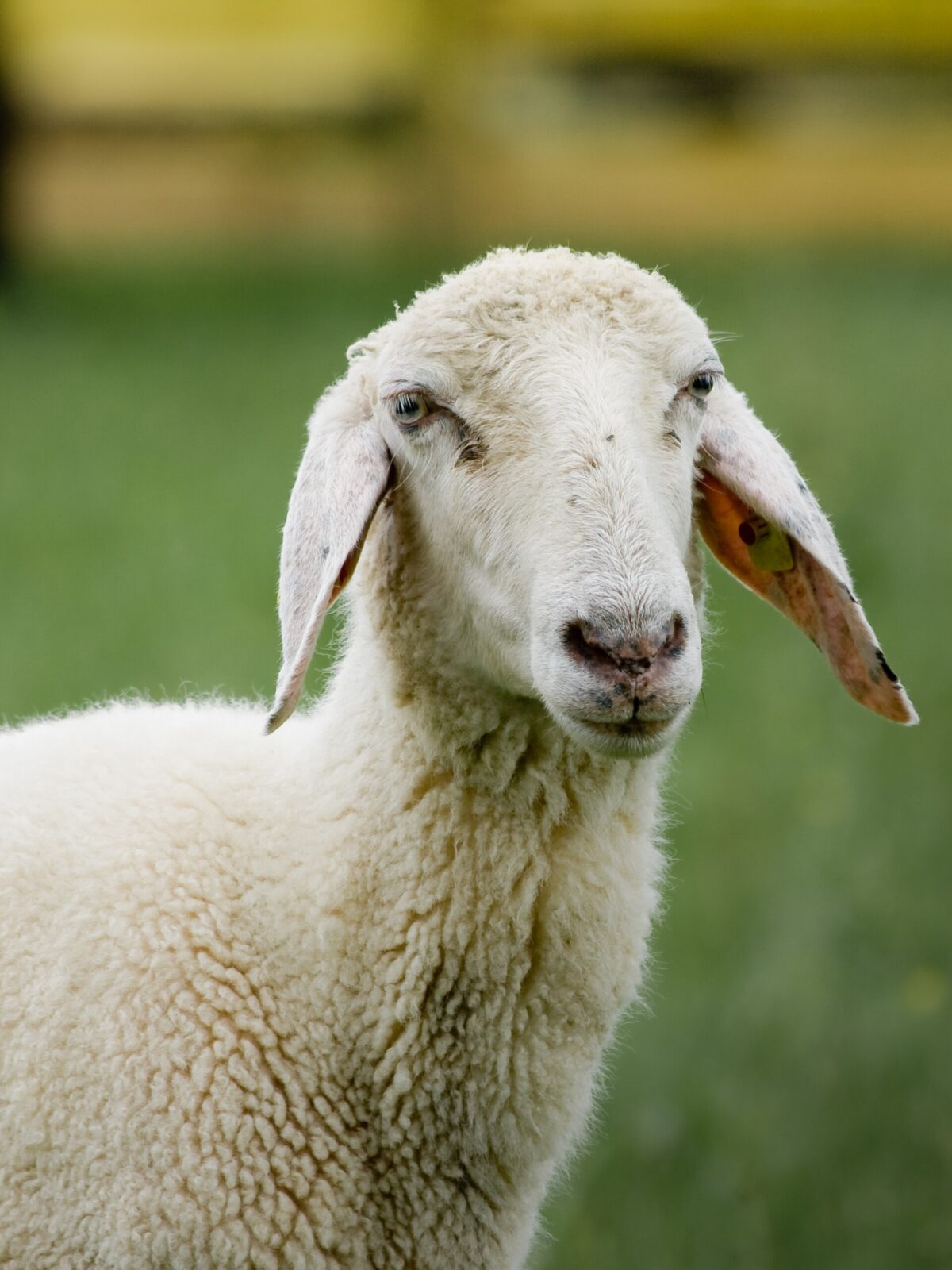
SOMALI FAT-TAILED SHEEP
Ovis aries
DESCRIPTION
Somali Fat-tailed Sheep (Ovis aries) is a breed known for its distinctive fat tail, which serves as a fat storage organ. These sheep are typically medium to large in size, with a robust body and a woolly coat that can vary in color from white to shades of brown and black. They are well adapted to arid environments, displaying behaviors that allow them to thrive in harsh conditions, such as grazing on sparse vegetation and seeking shade during the hottest parts of the day.
FUN FACTS
- Somali Fat-tailed Sheep are known for their unique fat storage in their tails, which can weigh up to 10 kg
- This adaptation allows them to survive in harsh environments where food is scarce, as they can utilize the fat reserves during droughts or food shortages.| These sheep are also valued for their meat and wool, making them an important livestock breed in their native regions
- Their ability to thrive in arid conditions has made them a crucial resource for local pastoral communities
QUICK INFO
Lifespan10-12 years in the wild, up to 15 years in captivi
Average Weight45-90 kg
Average Length1.2-1.5 m
Diet TypeHerbivore
Social Structuregroup — they typically live in herds that provide protection against predators.
Activity PatternDiurnal
Breeding SeasonYear-round, with peaks depending on environmental conditions
- Habitat
- Somali Fat-tailed Sheep inhabit arid and semi-arid regions, often found in grasslands and scrublands. They are well-suited to environments with limited water and vegetation.
- Biomes
- Savanna, Desert
- Native Range
- They are native to the Horn of Africa, particularly in Somalia and surrounding regions.
- Continent
- Africa
- Countries
- Somalia, Ethiopia, Djibouti
- Diet
- They primarily graze on grasses, shrubs, and other vegetation found in their habitat. Their ability to digest tough plant materials allows them to survive in areas with limited food resources.
- Diet Type
- Herbivore
- Favorite Food
- grasses, shrubs
- Social Structure
- group — they typically live in herds that provide protection against predators.
- Activity Pattern
- Diurnal
- Group Size
- 5-30
- Territorial
- 0
 LC
LC
 LC
LC
 LC
LC
 VU
VU
45-90 kg
Weight
1.2-1.5 m
Length
0.8-1.0 m at shoulder
Height (Shoulder)
- Coloration
- varies from white to shades of brown and black, often with a woolly coat
- Sexual Dimorphism
- Males are generally larger and have thicker necks and horns compared to females.
- Lifespan
- 10-12 years in the wild, up to 15 years in captivi
- Gestation Period
- 150 days
- Offspring per Birth
- 1-2
- Sexual Maturity
- 6-12 months
- Breeding Season
- Year-round, with peaks depending on environmental conditions
LC
Least Concern
IUCN Red List Status
- Population Status
- The population is stable, but specific numbers are difficult to ascertain due to their widespread distribution.
- Wild Population Estimate
- unknown
- Population Trend
- Stable
- Endangered
- 0
- Threats
- Main threats include habitat loss due to overgrazing and climate change, which affects their food sources. Additionally, they face competition with other livestock for grazing land.
- Predators
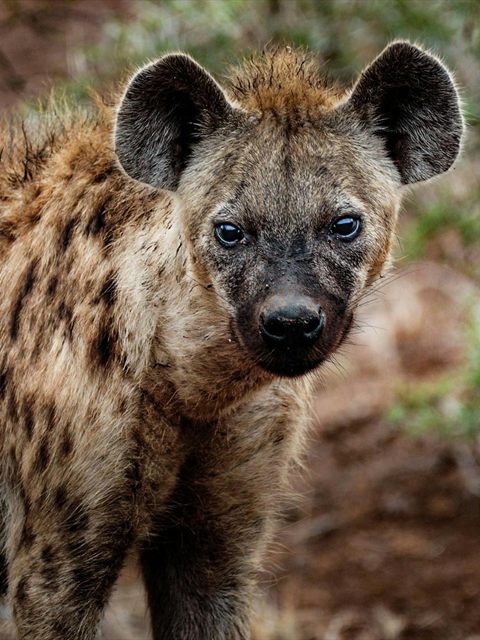
- wolves, hyenas, lions, and large birds of prey
- Defense Mechanisms
- They rely on their herd structure for protection, using group vigilance to detect predators and fleeing as a group when threatened.
- Compatible Animals
- goats, cattle
- Found in Zoos
- Uncommon