


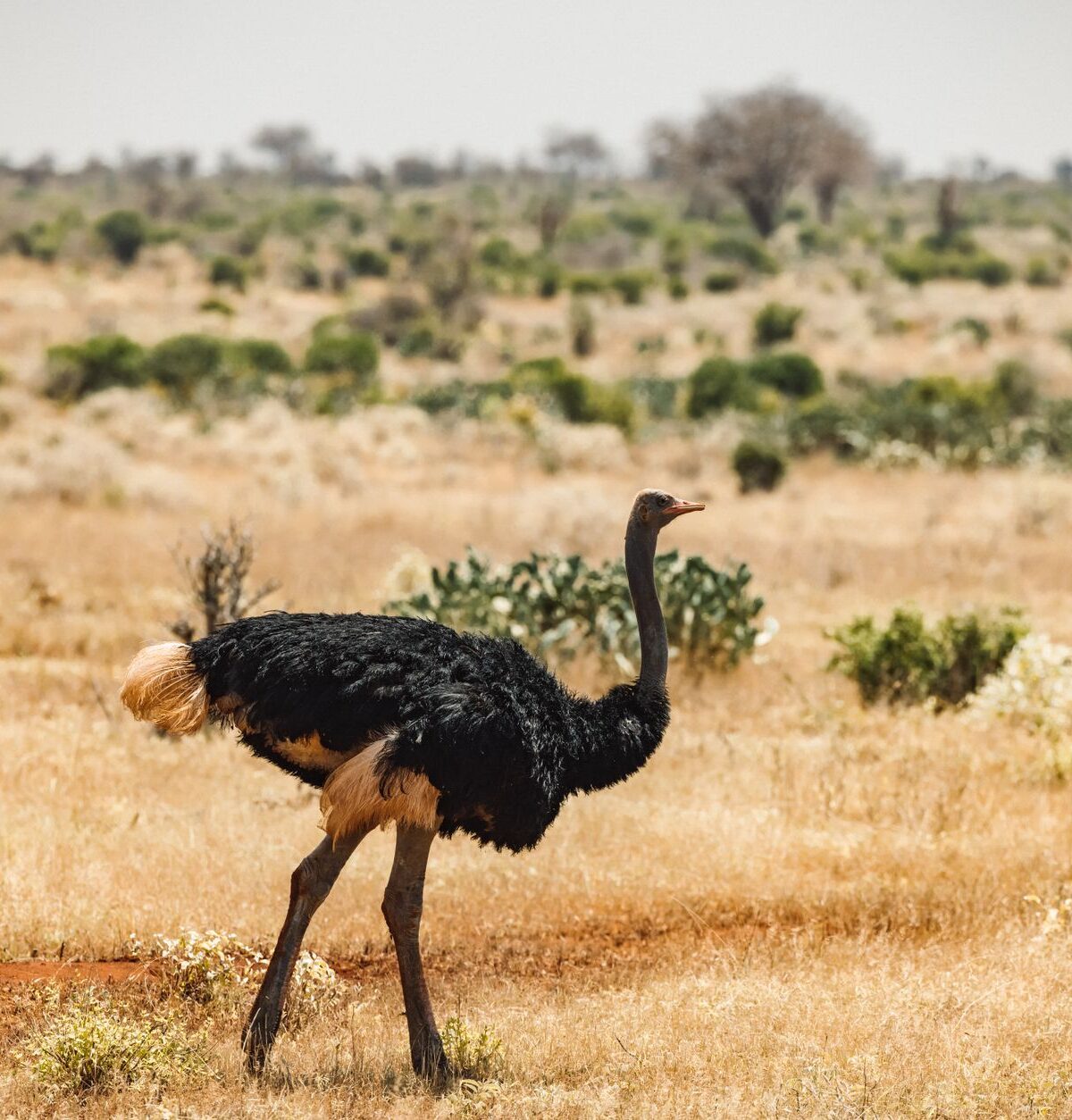
SOMALI OSTRICH
Struthio molybdophanes
DESCRIPTION
Somali Ostrich (Struthio molybdophanes) is a large flightless bird native to the Horn of Africa, characterized by its long neck and legs, and a distinctive bluish-gray coloration. This species exhibits sexual dimorphism, with males being larger and having more vibrant plumage compared to females. Somali Ostriches are known for their strong running abilities, which they use to escape predators in their arid and semi-arid habitats.
FUN FACTS
- Somali Ostriches are the largest species of ostrich and can weigh up to 150 kg, making them the heaviest living birds
- They have powerful legs that allow them to run at high speeds, which is essential for escaping predators in their natural habitat.| Unlike many birds, Somali Ostriches have a unique adaptation in their feet, which have only two toes instead of three
- This adaptation helps them run faster and provides better stability on the ground
QUICK INFO
Lifespan15-20 years in the wild, up to 30 in captivity
Average Weight100-150 kg
Average Length2-2.5 m
Diet TypeHerbivore
Social Structuregroup — they are often seen in small groups or pairs, especially during the breeding season.
Activity PatternDiurnal
Breeding SeasonSpring (March-May)
- Habitat
- Somali Ostriches inhabit open grasslands, savannas, and scrublands, often in arid regions where water sources are available. They prefer areas with sparse vegetation that allows for easy movement and visibility.
- Biomes
- Savanna, Grassland
- Native Range
- The native range of the Somali Ostrich includes parts of Somalia, Ethiopia, and Kenya.
- Continent
- Africa
- Countries
- Somalia, Ethiopia, Kenya
- Diet
- Somali Ostriches primarily feed on a variety of plant materials, including seeds, leaves, and fruits. They may also consume small insects occasionally.
- Diet Type
- Herbivore
- Favorite Food
- seeds, leaves, fruits
- Social Structure
- group — they are often seen in small groups or pairs, especially during the breeding season.
- Activity Pattern
- Diurnal
- Group Size
- 2-20
- Territorial
- 0
 LC
LC
 LC
LC
 LC
LC
100-150 kg
Weight
2-2.5 m
Length
2.5 m at head
Height (Shoulder)
- Coloration
- Males have a striking bluish-gray plumage, while females are more brownish and less vibrant.
- Sexual Dimorphism
- Males are larger and more colorful than females.
- Lifespan
- 15-20 years in the wild, up to 30 in captivity
- Offspring per Birth
- 1-2
- Sexual Maturity
- 2-3 years
- Breeding Season
- Spring (March-May)
LC
Least Concern
IUCN Red List Status
- Population Status
- The population of Somali Ostriches is currently considered to be stable, although they face threats from habitat loss.
- Wild Population Estimate
- 10,000-15,000
- Population Trend
- Stable
- Endangered
- 0
- Threats
- Main threats to Somali Ostriches include habitat destruction due to agriculture and human encroachment, as well as hunting. These factors have led to localized declines in some areas.
- Predators
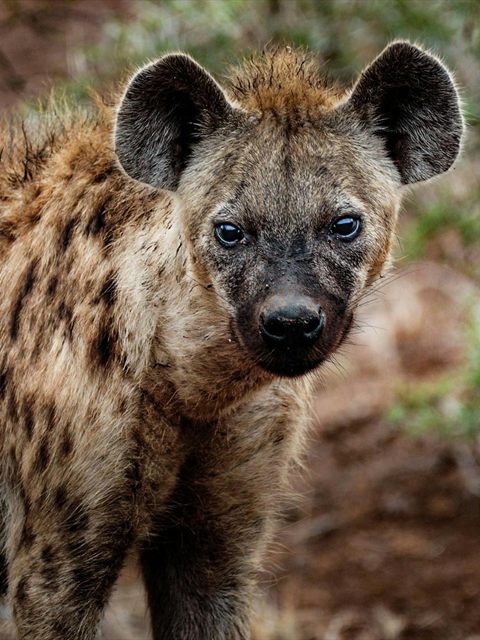
- Lions, hyenas, and large birds of prey are known to prey on Somali Ostriches, particularly on their eggs and young chicks.
- Defense Mechanisms
- Somali Ostriches rely on their speed and agility to escape predators, capable of running at speeds up to 70 km/h.
- Found in Zoos
- Uncommon