


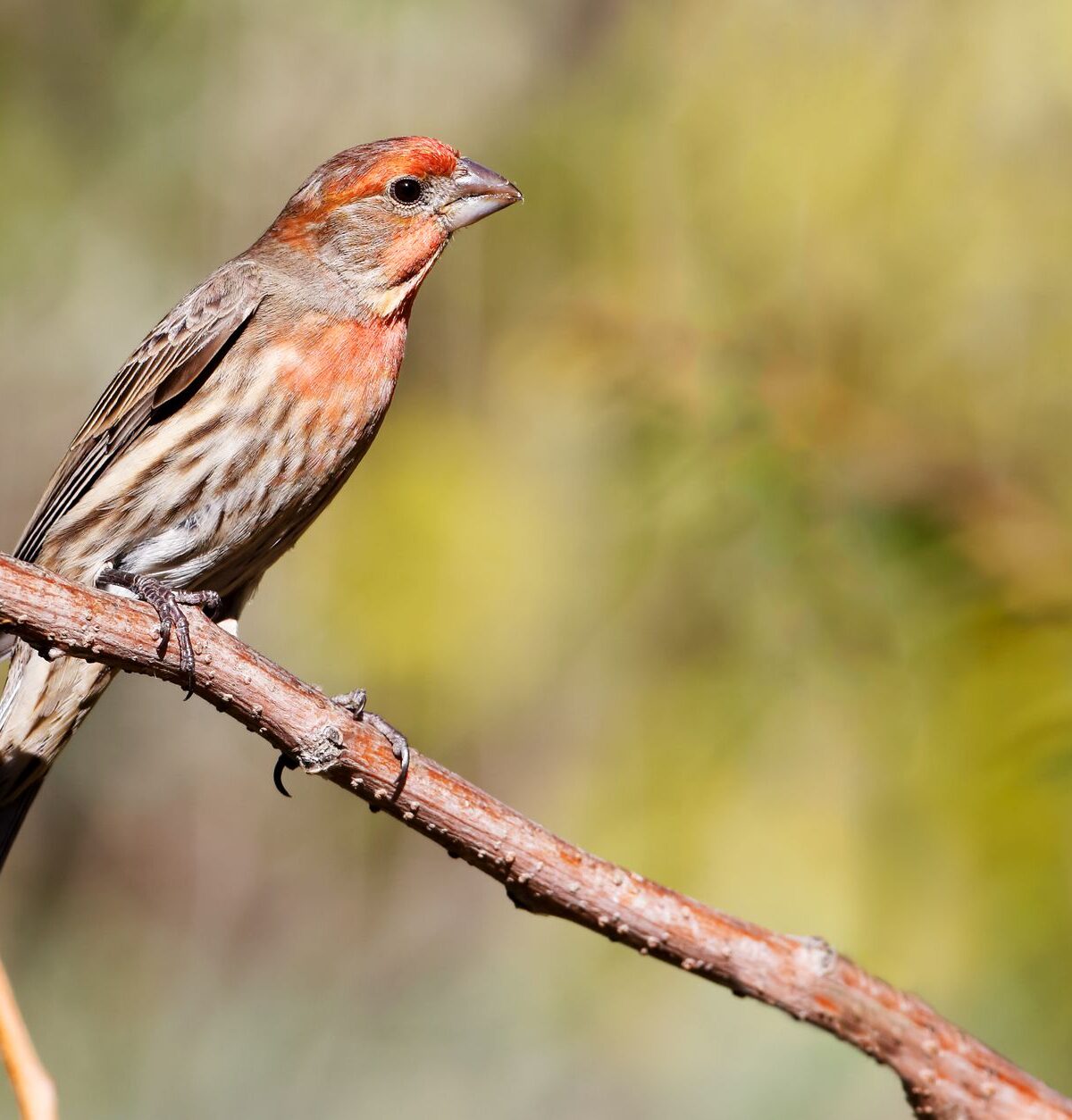
SONGBIRD
DESCRIPTION
Songbird is commonly known as the Sparrow, a small, plump bird characterized by its short tail and stout bill. These birds are often seen in urban areas, where they have adapted well to human environments, displaying a range of social behaviors from solitary feeding to flocking in large groups. Their songs are melodious and varied, playing a crucial role in communication and mating rituals.
FUN FACTS
- Songbirds are capable of learning new songs throughout their lives, which allows them to adapt their calls to different environments and social situations
- | Some species of songbirds migrate thousands of miles each year, navigating using the stars and Earth's magnetic field, showcasing their remarkable navigational abilities
QUICK INFO
Lifespan3-5 years in the wild, up to 10 years in captivity
Average Weight20-50 g
Average Length10-20 cm
Diet TypeOmnivore
Social StructureThey can be solitary or social, often forming flocks outside of the breeding season.
Activity PatternDiurnal
Breeding SeasonSpring (April-June)
- Habitat
- Songbirds inhabit a variety of environments, including forests, grasslands, and urban areas. They often build nests in shrubs or trees, providing shelter for their young.
- Biomes
- Temperate Forest, Grassland, Urban
- Native Range
- Songbirds are found across the globe, with a wide distribution in North America, Europe, and Asia.
- Continent
- North America, Europe, Asia
- Countries
- United States, Canada, United Kingdom, Germany, Japan
- Diet
- Songbirds primarily eat seeds, fruits, and insects, depending on the season and availability of food sources. They are known to forage on the ground and in trees, using their strong beaks to crack open seeds.
- Diet Type
- Omnivore
- Favorite Food
- seeds, fruits, insects
- Social Structure
- They can be solitary or social, often forming flocks outside of the breeding season.
- Activity Pattern
- Diurnal
- Group Size
- 5-50
- Territorial
- 1
 CR
CR
 LC
LC
20-50 g
Weight
10-20 cm
Length
- Coloration
- Typically brown or gray with streaks, some species have bright colors.
- Sexual Dimorphism
- Males often have brighter plumage than females.
- Lifespan
- 3-5 years in the wild, up to 10 years in captivity
- Offspring per Birth
- 3-6
- Sexual Maturity
- 1 year
- Breeding Season
- Spring (April-June)
LC
Least Concern
IUCN Red List Status
- Population Status
- Generally stable, but some species are declining due to habitat loss.
- Wild Population Estimate
- Millions
- Population Trend
- Stable
- Endangered
- 0
- Threats
- Main threats include habitat destruction, climate change, and predation by domestic cats. Urbanization has also led to a decline in suitable nesting sites.
- Predators
- Cats, hawks, snakes, and larger birds.
- Defense Mechanisms
- Songbirds often use alarm calls to warn others of predators and may engage in mobbing behavior to drive them away.
- Compatible Animals
- Finches, Canaries, Parakeets
- Found in Zoos
- Common