


SOUTH AFRICAN BLACK DUCK
Anas sparsa
DESCRIPTION
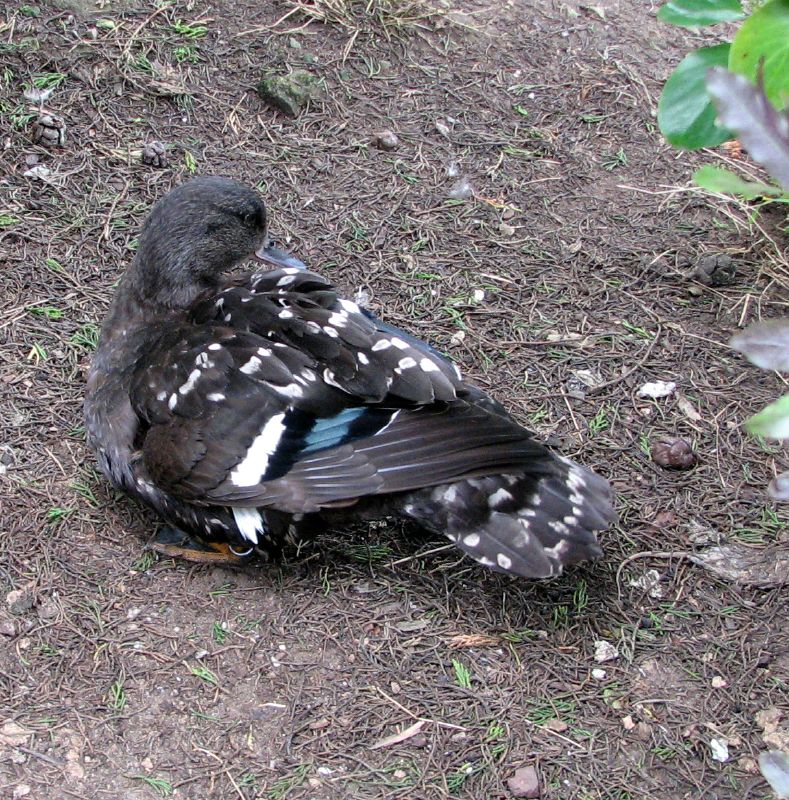
The South African Black Duck (Anas sparsa) is a medium-sized duck characterized by its dark plumage, which appears almost black with a glossy green sheen. It has a distinctive white stripe running down the side of its head and a pale blue patch on its wings. This species is known for its shy and secretive behavior, often preferring to stay hidden in dense vegetation near water bodies.
FUN FACTS
- The South African Black Duck is known for its unique vocalizations, which include a series of soft quacks and whistles that are often heard during courtship displays
- Additionally, this species has a fascinating nesting behavior, where it often chooses to nest in dense vegetation away from water, making it less vulnerable to predators.| Unlike many other duck species, the South African Black Duck is more adapted to a terrestrial lifestyle, often foraging on land for seeds and invertebrates, which sets it apart from its more aquatic relatives
QUICK INFO
Lifespan10-15 years in the wild
Average Weight700-1,000 g
Average Length55-65 cm
Diet TypeOmnivore
Social Structurepair or small groups, often seen alone or in pairs during breeding season
Activity PatternDiurnal
Breeding SeasonSpring to early summer
- Habitat
- This duck inhabits freshwater wetlands, rivers, and lakes, often favoring areas with dense vegetation for cover. It is typically found in regions with abundant aquatic plants and shallow waters.
- Biomes
- Wetlands, Freshwater
- Native Range
- The South African Black Duck is native to southern Africa, particularly in regions with suitable freshwater habitats.
- Continent
- Africa
- Countries
- South Africa, Lesotho, Swaziland, Namibia, Botswana
- Diet
- The South African Black Duck primarily feeds on aquatic plants, seeds, and invertebrates. It forages by dabbling in shallow waters and grazing on land.
- Diet Type
- Omnivore
- Favorite Food
- aquatic plants, seeds, invertebrates
- Social Structure
- pair or small groups, often seen alone or in pairs during breeding season
- Activity Pattern
- Diurnal
- Group Size
- 1-5
- Territorial
- 0

 LC
LC
700-1,000 g
Weight
55-65 cm
Length
- Coloration
- dark plumage with a glossy green sheen and a white stripe on the head
- Lifespan
- 10-15 years in the wild
- Offspring per Birth
- 6-12
- Sexual Maturity
- 1 year
- Breeding Season
- Spring to early summer
LC
Least Concern
IUCN Red List Status
- Population Status
- The population of the South African Black Duck is currently stable, but habitat loss poses a potential threat.
- Wild Population Estimate
- unknown
- Population Trend
- Stable
- Endangered
- 0
- Threats
- Main threats include habitat destruction due to agricultural expansion and pollution of water bodies. These factors can lead to a decline in suitable habitats for foraging and nesting.
- Predators
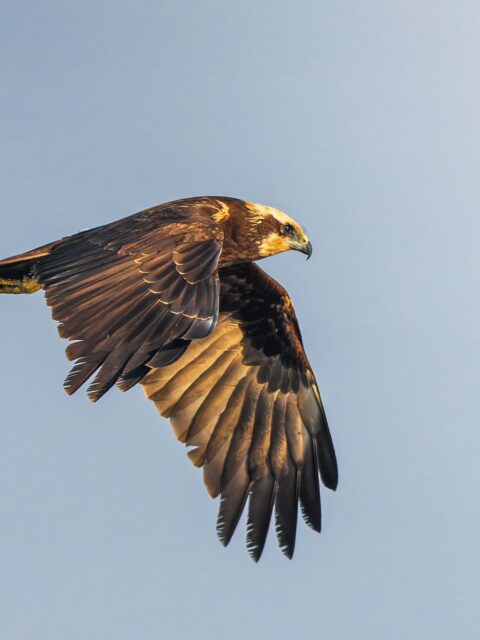
- African Fish Eagle, Marsh Harrier, various terrestrial mammals
- Defense Mechanisms
- The South African Black Duck relies on its cryptic coloration and secretive behavior to avoid predators.
- Found in Zoos
- Uncommon