



SOUTH AFRICAN SPRINGBOK
Antidorcas marsupialis
DESCRIPTION
The South African Springbok is a medium-sized antelope known for its distinctive appearance, characterized by a slender body, long legs, and a unique white stripe along its side. Males are typically larger than females and possess long, curved horns. They are known for their remarkable agility and speed, often performing impressive leaps known as 'pronking' when they are excited or threatened.
FUN FACTS
- Springboks are known for their incredible speed, capable of reaching up to 88 km/h (55 mph) in short bursts, making them one of the fastest antelopes
- They also have a unique social behavior where they engage in 'pronking,' a series of high jumps that serve both as a display of fitness and a way to confuse predators.|The Springbok is the national animal of South Africa and is featured on the country's coat of arms
- This species has also become a symbol of the nation, representing resilience and agility, and is celebrated during various cultural events
QUICK INFO
Lifespan10-12 years in the wild, up to 15 years in captivi
Average Weight40-50 kg
Average Length1.2-1.5 m
Diet TypeHerbivore
Social Structuregroup — they typically live in herds that can vary in size, often consisting of females and their young, with males forming bachelor groups.
Activity PatternDiurnal
Breeding SeasonYear-round, with peaks in spring and summer
- Habitat
- Springboks inhabit open grasslands, savannas, and semi-desert regions. They are well adapted to the dry conditions of southern Africa.
- Biomes
- Savanna, Grassland, Desert
- Native Range
- The native range of the South African Springbok includes the southern regions of Africa, particularly in South Africa, Namibia, and Botswana.
- Continent
- Africa
- Countries
- South Africa, Namibia, Botswana
- Diet
- Springboks are herbivores that primarily graze on grasses and browse on leaves and shrubs. They are well adapted to arid environments and can survive on low-quality forage.
- Diet Type
- Herbivore
- Favorite Food
- grasses, leaves
- Social Structure
- group — they typically live in herds that can vary in size, often consisting of females and their young, with males forming bachelor groups.
- Activity Pattern
- Diurnal
- Group Size
- 10-50
- Territorial
- 0
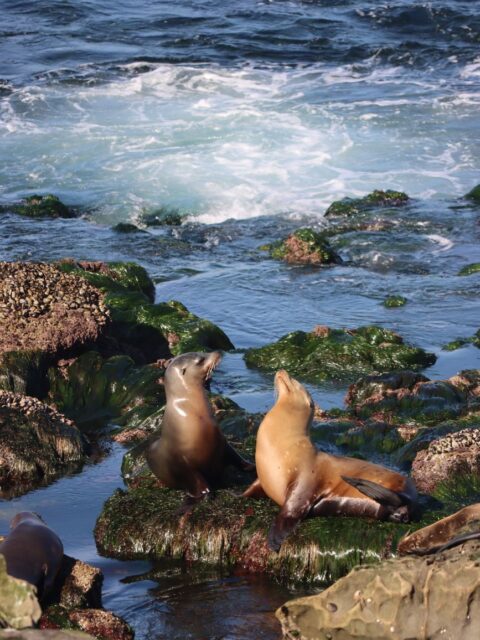 LC
LC
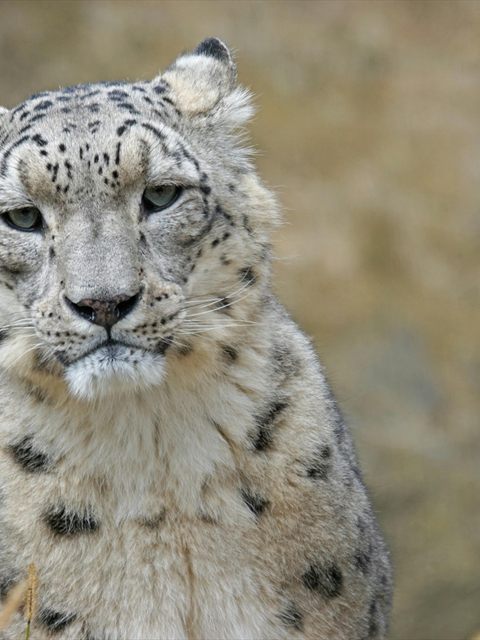 VU
VU
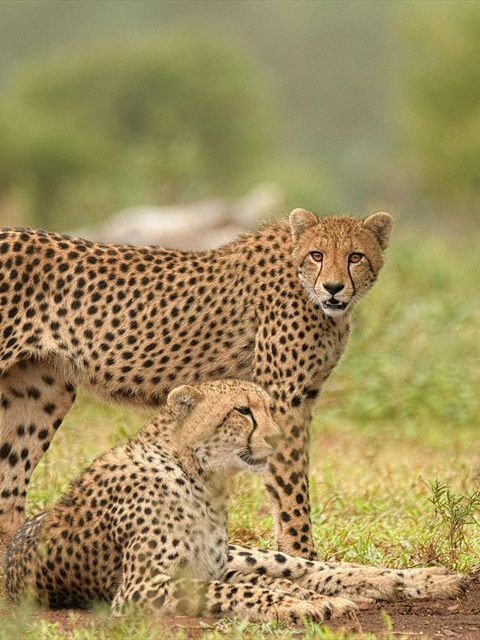 VU
VU
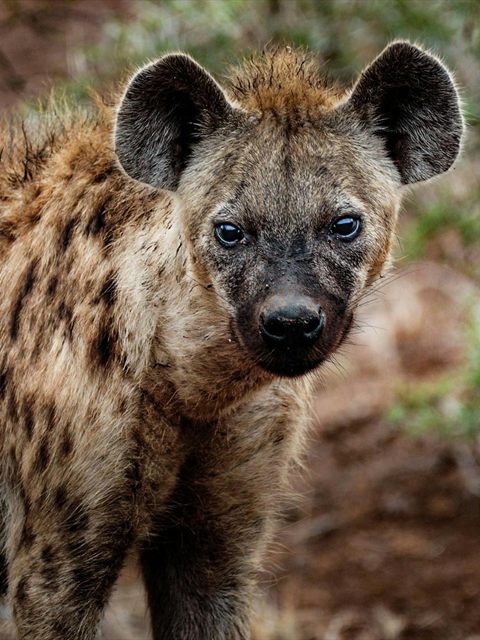 LC
LC
40-50 kg
Weight
1.2-1.5 m
Length
0.8-1.0 m at shoulder
Height (Shoulder)
- Coloration
- The Springbok has a light brown coat with a white underbelly and distinctive white markings on the face and legs.
- Sexual Dimorphism
- Males are larger and have horns, while females are smaller and hornless.
- Lifespan
- 10-12 years in the wild, up to 15 years in captivi
- Gestation Period
- 150 days
- Offspring per Birth
- 1
- Sexual Maturity
- 1.5-2 years
- Breeding Season
- Year-round, with peaks in spring and summer
LC
Least Concern
IUCN Red List Status
- Population Status
- The population of South African Springboks is currently stable, with healthy numbers in the wild.
- Wild Population Estimate
- 200,000-300,000
- Population Trend
- Stable
- Endangered
- 0
- Threats
- The main threats to Springboks include habitat loss due to agricultural expansion and hunting. However, they are not currently considered endangered.
- Predators
- Lions, leopards, cheetahs, hyenas, and wild dogs are known predators of the Springbok.
- Defense Mechanisms
- Springboks use their speed and agility to escape predators, often employing a unique jumping behavior called 'pronking' to confuse and evade them.
- Compatible Animals
- Zebras, wildebeests, ostriches
- Found in Zoos
- Common