



SOUTH AMERICAN YELLOW-FOOTED TORTOISE
Chelonoidis denticulatus
DESCRIPTION
The South American Yellow-footed Tortoise is a large tortoise characterized by its distinctive yellow and black coloration on its limbs and shell. It has a high-domed shell that can reach up to 60 cm in length, and its skin is typically dark with yellow markings. This species is known for its gentle demeanor and is often found basking in the sun or foraging for food in its natural habitat.
FUN FACTS
- The Yellow-footed Tortoise is known for its unique ability to consume a wide variety of fruits, which helps maintain the health of its ecosystem by dispersing seeds
- Additionally, this tortoise can live for several decades, making it a long-term companion for those who keep them in captivity.| These tortoises are often kept in zoos due to their striking appearance and gentle nature, making them popular among visitors
- They are also part of various conservation programs aimed at preserving their natural habitats and educating the public about the importance of tortoise conservation
QUICK INFO
Lifespan30-40 years in the wild, up to 60 in captivity
Average Weight20-30 kg
Average Length50-60 cm
Diet TypeHerbivore
Social StructureSolitary, with occasional gatherings during breeding.
Activity PatternDiurnal
Breeding SeasonWet season (November-March)
- Habitat
- This tortoise inhabits tropical rainforests and savannas, often near water sources such as rivers and ponds. It prefers areas with abundant vegetation for foraging and shelter.
- Biomes
- Tropical Rainforest, Savanna
- Native Range
- The species is native to the Amazon Basin, particularly in Brazil, Bolivia, and parts of Peru.
- Continent
- South America
- Countries
- Brazil, Bolivia, Peru
- Diet
- The Yellow-footed Tortoise primarily feeds on a variety of plant materials, including fruits, leaves, and flowers. It plays a crucial role in its ecosystem by aiding in seed dispersal.
- Diet Type
- Herbivore
- Favorite Food
- Fruits, leaves, flowers
- Social Structure
- Solitary, with occasional gatherings during breeding.
- Activity Pattern
- Diurnal
- Group Size
- 1-5
- Territorial
- 0
 NT
NT
 LC
LC
 VU
VU
20-30 kg
Weight
50-60 cm
Length
- Coloration
- Dark skin with yellow markings on limbs and shell.
- Sexual Dimorphism
- Males are generally smaller with a concave plastron, while females are larger with a flatter plastron.
- Lifespan
- 30-40 years in the wild, up to 60 in captivity
- Gestation Period
- 60-90 days
- Offspring per Birth
- 1-15
- Sexual Maturity
- 5-10 years
- Breeding Season
- Wet season (November-March)
LC
Least Concern
IUCN Red List Status
- Population Status
- The population is currently stable, but habitat loss poses a threat.
- Wild Population Estimate
- Unknown
- Population Trend
- Stable
- Endangered
- 0
- Threats
- Main threats include habitat destruction due to deforestation and illegal pet trade. These factors have led to localized declines in certain areas.
- Predators
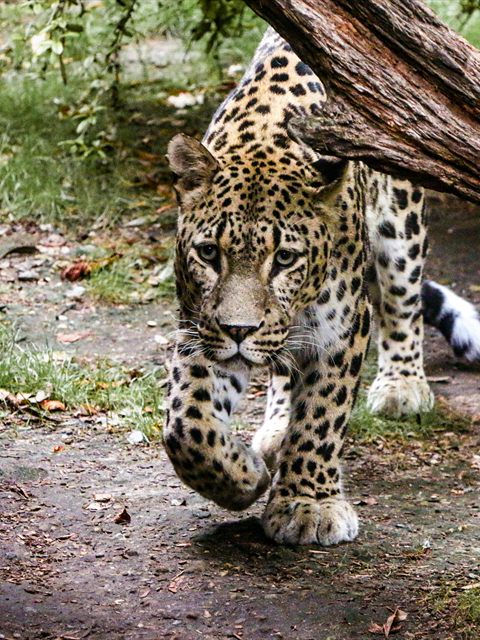
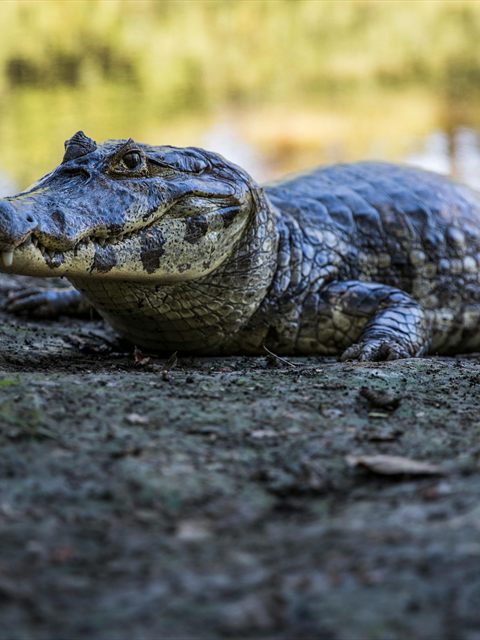
- Jaguar, caiman, large birds of prey, and humans.
- Defense Mechanisms
- The tortoise can retract its head and limbs into its shell for protection against predators.
- Found in Zoos
- Common